
Rheumatology (Autoimmune, Inflammatory & Connective Tissue Diseases): Individualized Homeopathic Care in Dubai
Comprehensive Homeopathic Care for Autoimmune, Inflammatory, Connective Tissue & Joint Disorders
The immune system plays a vital role in protecting the body against infections and maintaining normal health. In rheumatological diseases, however, the immune system or other inflammatory processes may mistakenly attack healthy tissues or trigger persistent inflammation, affecting the joints, muscles, tendons, bones, connective tissues, blood vessels, skin, eyes, glands, lungs, kidneys, heart, and other organs. These conditions may lead to chronic pain, swelling, stiffness, fatigue, reduced mobility, and, in some cases, progressive tissue damage if not appropriately treated.
Rheumatological disorders include a broad spectrum of conditions. Some primarily affect the joints, such as Rheumatoid Arthritis, Psoriatic Arthritis, Ankylosing Spondylitis, and Osteoarthritis, while others are systemic autoimmune diseases that may involve multiple organs, including Systemic Lupus Erythematosus (SLE), Sjögren's Syndrome, and Systemic Sclerosis. Conditions such as Gout result from crystal deposition within joints, whereas Fibromyalgia is recognised as a chronic pain syndrome characterised by widespread musculoskeletal pain and altered pain processing rather than joint inflammation.
Many rheumatological conditions are chronic and require long-term medical care. Early diagnosis and timely treatment are important to control inflammation, relieve symptoms, preserve joint function, reduce the risk of permanent disability, and protect vital organs in patients with systemic autoimmune diseases.
At Advance Homeopathy Clinic Dubai, we provide individualized homeopathic care for patients with a wide range of rheumatological conditions, including Rheumatoid Arthritis, Osteoarthritis, Ankylosing Spondylitis, Psoriatic Arthritis, Gout, Fibromyalgia, Systemic Lupus Erythematosus (SLE), Sjögren's Syndrome, Systemic Sclerosis, Polymyalgia Rheumatica, and Juvenile Idiopathic Arthritis. Our homeopathic approach considers the patient's complete symptom picture, constitutional characteristics, medical history, associated medical conditions, lifestyle, emotional well-being, and overall health rather than focusing solely on the diagnosis.
Homeopathy is offered as a complementary approach alongside conventional rheumatology care. Our goal is to support symptom management, improve physical function, enhance quality of life, and promote overall well-being while encouraging patients to continue appropriate medical investigations, prescribed medications, physiotherapy, occupational therapy, rehabilitation programmes, and regular follow-up with their rheumatologist and other healthcare professionals whenever required.

Understanding Rheumatological Disorders
Rheumatology is the branch of medicine concerned with diseases affecting the joints, muscles, tendons, ligaments, connective tissues, bones, blood vessels, and immune system. While many people associate rheumatology only with arthritis, the specialty encompasses more than 100 different disorders, ranging from degenerative joint disease to complex autoimmune conditions affecting multiple organ systems.
Rheumatological disorders may develop through several different mechanisms, including:
- Autoimmune reactions in which the immune system attacks healthy tissues
- Chronic inflammation affecting joints and connective tissues
- Degeneration of cartilage and joint structures
- Deposition of uric acid or other crystals within joints
- Abnormal immune regulation
- Genetic predisposition
- Environmental and lifestyle factors
- Previous infections acting as potential triggers
- Metabolic disorders affecting bones and joints
- Altered pain processing, as seen in fibromyalgia
Some conditions primarily affect individual joints, whereas others involve the entire body and may damage the skin, eyes, lungs, kidneys, heart, or nervous system. Because symptoms often overlap between different rheumatological diseases, accurate diagnosis frequently requires a combination of clinical evaluation, laboratory investigations, imaging studies, and ongoing specialist assessment.
Early diagnosis is particularly important because many inflammatory and autoimmune diseases respond best when treatment begins before permanent joint or organ damage has occurred.
How Homeopathy May Support Rheumatological Disorders
Homeopathy is an individualized system of medicine in which treatment is selected according to the patient's unique symptom pattern rather than the diagnosis alone. During consultation, the homeopathic physician evaluates the presenting rheumatological condition together with the patient's constitutional characteristics, medical history, symptom progression, associated medical conditions, lifestyle, emotional well-being, and the overall pattern of symptoms before selecting an appropriate remedy.
Because rheumatological disorders differ considerably in their underlying mechanisms, disease severity, and organ involvement, every patient requires an individualized assessment. Two people diagnosed with the same condition may experience different symptoms, patterns of disease activity, and treatment goals.
Depending on the individual's clinical presentation, homeopathic treatment may be considered as a complementary approach for patients experiencing:
- Persistent joint pain and stiffness
- Chronic inflammatory arthritis
- Autoimmune connective tissue disorders
- Crystal-induced arthritis such as gout
- Widespread musculoskeletal pain associated with fibromyalgia
- Reduced joint mobility and physical function
- Fatigue associated with chronic rheumatological disease
- Tendon and soft tissue involvement
- Recurrent inflammatory episodes
- Chronic musculoskeletal discomfort affecting daily activities
Homeopathy should complement—not replace—conventional rheumatological care. Patients are encouraged to continue prescribed medications, including disease-modifying anti-rheumatic drugs (DMARDs), biologic therapies, physiotherapy, occupational therapy, rehabilitation programmes, regular laboratory monitoring, and follow-up with their rheumatologist or other healthcare professionals.
1. Rheumatoid Arthritis
What is Rheumatoid Arthritis?
Rheumatoid Arthritis (RA) is a chronic autoimmune inflammatory disease in which the immune system mistakenly attacks the synovium—the thin membrane lining the joints. Persistent inflammation causes pain, swelling, warmth, and stiffness and, if left untreated, may gradually damage cartilage, bone, ligaments, and surrounding tissues. Unlike osteoarthritis, which results primarily from age-related wear and tear, rheumatoid arthritis is driven by an abnormal immune response.
The disease most commonly affects the small joints of the hands, wrists, and feet and typically involves the same joints on both sides of the body. However, rheumatoid arthritis is a systemic autoimmune disease, meaning it may also affect the eyes, lungs, heart, blood vessels, skin, and other organs. Early diagnosis and prompt treatment are essential to control inflammation, reduce joint damage, preserve mobility, and improve long-term outcomes.
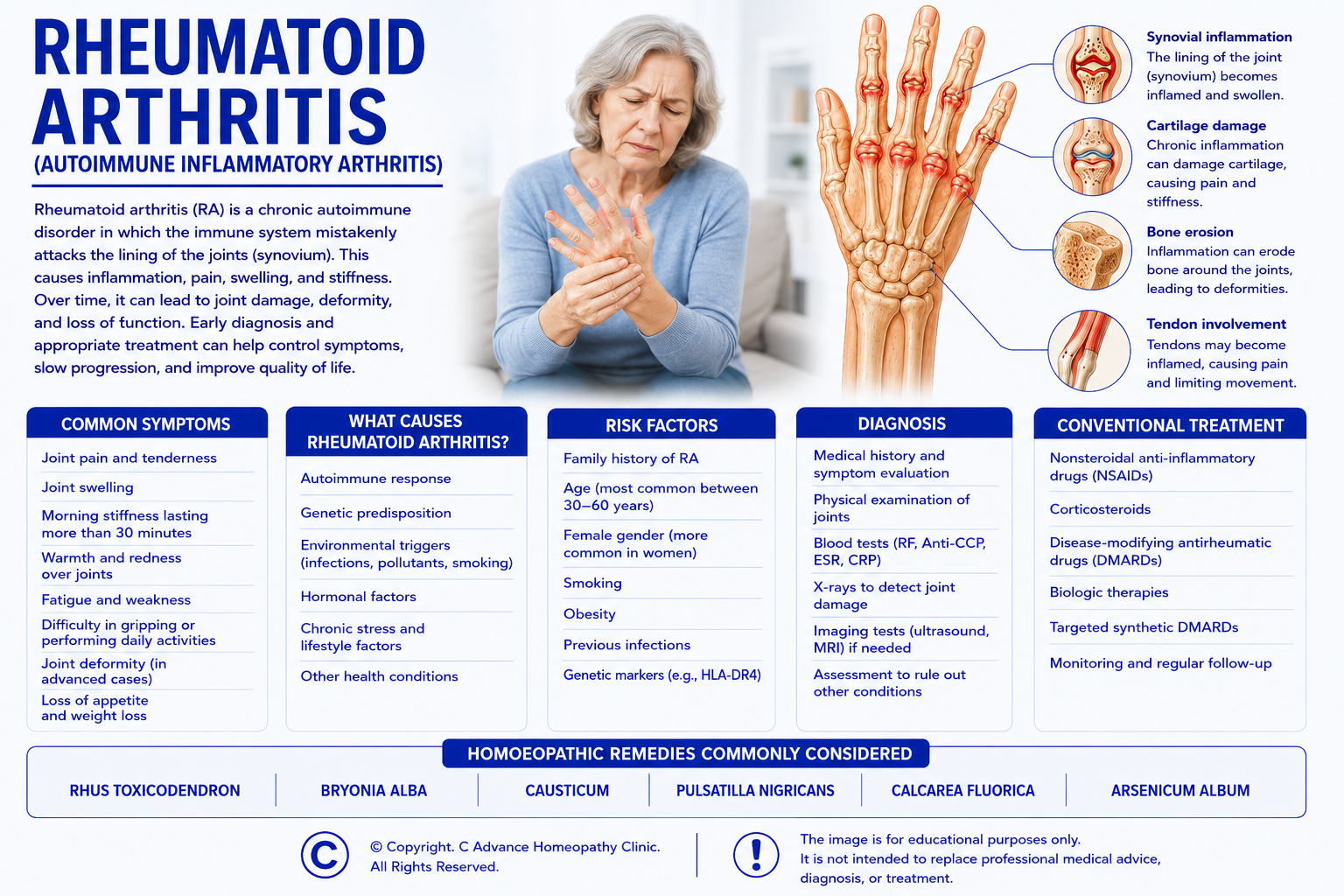
Common Signs & Symptoms of Rheumatoid Arthritis
Patients with rheumatoid arthritis may experience one or more of the following symptoms:
- Painful, swollen joints
- Morning stiffness lasting longer than one hour
- Symmetrical involvement of small joints
- Warmth and tenderness around affected joints
- Reduced grip strength
- Difficulty performing daily activities
- Fatigue and reduced energy levels
- Loss of joint function
- Joint deformity in advanced disease
- Rheumatoid nodules in some patients
Risk Factors for Rheumatoid Arthritis
Several factors may increase the likelihood of developing rheumatoid arthritis, including:
- Autoimmune disease
- Family history of rheumatoid arthritis
- Genetic predisposition
- Female gender
- Cigarette smoking
- Increasing age
- Hormonal influences
- Environmental factors
- Obesity
Conventional Management of Rheumatoid Arthritis
The primary goals of treatment are to suppress inflammation, prevent irreversible joint damage, maintain physical function, and reduce long-term complications. Early treatment has significantly improved outcomes for many patients.
Conventional management may include:
- Disease-Modifying Anti-Rheumatic Drugs (DMARDs)
- Biologic DMARDs
- Targeted synthetic DMARDs (JAK inhibitors)
- Non-steroidal anti-inflammatory drugs (NSAIDs)
- Corticosteroids where appropriate
- Physiotherapy
- Occupational therapy
- Joint protection strategies
- Regular monitoring of disease activity
- Orthopaedic surgery or joint replacement for advanced joint damage when necessary
Homeopathic Medicines Commonly Considered for Rheumatoid Arthritis
Some homeopathic medicines that may be considered by experienced homeopathic physicians for rheumatoid arthritis include:
- Rhus Toxicodendron
- Bryonia Alba
- Causticum
- Ledum Palustre
- Calcarea Fluorica
- Kali Iodatum
- Guaiacum Officinale
- Actaea Spicata
Homeopathic medicines should only be prescribed by a qualified homeopathic physician after an individualized clinical evaluation.
Important: Complementary Care for Rheumatoid Arthritis
Rheumatoid Arthritis (RA) should always be evaluated and managed by a qualified rheumatologist or appropriately trained healthcare professional to confirm the diagnosis, determine disease activity and severity, identify the extent of joint and extra-articular involvement, assess functional impairment, evaluate prognostic factors, and develop an individualized long-term management plan. Comprehensive evaluation commonly includes a detailed medical history, comprehensive musculoskeletal examination, assessment of swollen and tender joint counts, evaluation of morning stiffness and physical function, review of medical history and current medications, laboratory investigations including inflammatory markers, Rheumatoid Factor (RF), Anti-Cyclic Citrullinated Peptide (Anti-CCP) antibodies, complete blood count, liver and kidney function tests, imaging studies such as X-rays, musculoskeletal ultrasound or Magnetic Resonance Imaging (MRI) where clinically indicated, and assessment for extra-articular involvement affecting the lungs, heart, eyes, blood vessels, skin, or other organs. Accurate diagnosis is essential because inflammatory joint disease may also occur in Psoriatic Arthritis, Ankylosing Spondylitis, Systemic Lupus Erythematosus (SLE), crystal-induced arthritis, viral arthritis, connective tissue diseases, osteoarthritis, septic arthritis, or other rheumatological and medical disorders, each requiring different management.
Patients with stable Rheumatoid Arthritis may be considered for individualized homeopathic treatment as a complementary approach following appropriate rheumatological evaluation. Homeopathy may be integrated alongside Disease-Modifying Anti-Rheumatic Drugs (DMARDs), biologic therapies, targeted synthetic DMARDs, physiotherapy, occupational therapy, supervised exercise programmes, joint protection strategies, weight management where appropriate, smoking cessation, lifestyle modification, patient education, and regular follow-up with their rheumatologist. Individualized homeopathic prescribing is based on the patient's complete clinical presentation, constitutional characteristics, joint symptoms, disease activity, associated medical conditions, physical and emotional well-being, lifestyle factors, functional limitations, medical history, and overall health rather than the diagnosis alone.
Patients should continue all recommended conventional treatment, including regular rheumatology assessment, Disease-Modifying Anti-Rheumatic Drugs (DMARDs), biologic or targeted synthetic therapies where clinically indicated, laboratory monitoring, imaging studies, physiotherapy, occupational therapy, structured exercise programmes, management of cardiovascular risk factors, osteoporosis prevention when appropriate, vaccination as recommended, and ongoing monitoring for medication effectiveness and adverse effects. Homeopathy should not be regarded as a substitute for disease-modifying therapy, biologic treatment, or other evidence-based rheumatological care, particularly in patients with active inflammatory disease, rapidly progressive joint damage, significant functional impairment, vasculitis, interstitial lung disease, cervical spine involvement, severe extra-articular disease, or other complications requiring specialist management.
Patients with persistent joint swelling despite appropriate treatment, worsening pain or stiffness, progressive loss of joint function, increasing deformity, recurrent disease flares, uncertainty regarding the diagnosis, evidence of medication-related adverse effects, or suspected involvement of the lungs, heart, eyes, kidneys, nervous system, or other organs should continue specialist rheumatology follow-up and regular reassessment. Homeopathy should not replace recommended rheumatological evaluation, laboratory monitoring, imaging studies, Disease-Modifying Anti-Rheumatic Drugs (DMARDs), biologic therapies, rehabilitation programmes, or other evidence-based treatments recommended by the treating rheumatologist.
Patients who develop sudden severe joint pain with fever, rapidly progressive joint swelling, new neurological symptoms, severe chest pain, marked shortness of breath, coughing up blood, significant weakness, seizures, severe eye pain or visual disturbance, signs of serious infection while receiving immunosuppressive therapy, or any rapidly worsening systemic symptoms should seek immediate emergency medical attention, as these symptoms may indicate septic arthritis, serious infection, vasculitis, cervical spinal cord compression, pulmonary embolism, interstitial lung disease complications, cardiovascular emergencies, or other life-threatening rheumatological or medical conditions requiring urgent specialist assessment and hospital-based care.
2. Osteoarthritis
What is Osteoarthritis?
Osteoarthritis (OA) is the most common form of arthritis and is characterised by the gradual breakdown of articular cartilage, remodelling of the underlying bone, and changes in surrounding joint structures. It most commonly affects weight-bearing joints such as the knees, hips, and spine, although it may also involve the hands and other joints. Unlike rheumatoid arthritis, osteoarthritis is primarily a degenerative joint disease rather than an autoimmune inflammatory disorder, although low-grade inflammation may contribute to disease progression in some individuals.
As cartilage gradually wears away, the joint loses its ability to move smoothly, leading to pain, stiffness, reduced flexibility, crepitus (a grinding sensation), and difficulty performing everyday activities. Symptoms usually develop gradually over many years. Early diagnosis and appropriate management can help relieve symptoms, improve joint function, maintain mobility, and enhance quality of life.

Common Signs & Symptoms of Osteoarthritis
Patients with osteoarthritis may experience one or more of the following symptoms:
- Joint pain during or after movement
- Morning stiffness lasting less than 30 minutes
- Stiffness after periods of inactivity
- Reduced range of joint movement
- Joint tenderness
- Crepitus (grating or crackling sensation)
- Mild swelling around affected joints
- Difficulty climbing stairs or walking long distances
- Progressive reduction in joint function
Risk Factors for Osteoarthritis
Several factors may increase the likelihood of developing osteoarthritis, including:
- Increasing age
- Previous joint injury
- Obesity
- Repetitive joint stress
- Occupations involving repetitive movements
- Family history
- Joint malalignment
- Muscle weakness
- Certain congenital joint abnormalities
Conventional Management of Osteoarthritis
Treatment focuses on relieving pain, improving mobility, maintaining joint function, and slowing disease progression where possible.
Conventional management may include:
- Weight management
- Physiotherapy and strengthening exercises
- Activity modification
- Pain-relieving medications
- Non-steroidal anti-inflammatory drugs (NSAIDs)
- Walking aids or joint supports where indicated
- Intra-articular injections in selected patients
- Occupational therapy
- Joint replacement surgery for advanced disease
Homeopathic Medicines Commonly Considered for Osteoarthritis
Some homeopathic medicines that may be considered by experienced homeopathic physicians for osteoarthritis include:
- Rhus Toxicodendron
- Bryonia Alba
- Calcarea Fluorica
- Ruta Graveolens
- Causticum
- Guaiacum Officinale
- Hekla Lava
- Calcarea Carbonica
Homeopathic medicines should only be prescribed by a qualified homeopathic physician after an individualized clinical evaluation.
Important: Complementary Care for Osteoarthritis
Osteoarthritis (OA) should always be evaluated and managed by a qualified rheumatologist, orthopedic surgeon, or appropriately trained healthcare professional to confirm the diagnosis, determine the severity of joint degeneration, assess pain and functional impairment, identify contributing mechanical and metabolic factors, evaluate the impact on daily activities, and develop an individualized long-term management plan. Comprehensive evaluation commonly includes a detailed medical history, comprehensive musculoskeletal examination, assessment of joint pain, stiffness, range of motion, gait and physical function, review of medical history and current medications, evaluation of body weight and biomechanical factors, imaging studies such as weight-bearing X-rays, Magnetic Resonance Imaging (MRI) in selected patients, laboratory investigations when inflammatory arthritis is suspected, and additional investigations based on the patient's clinical presentation. Accurate diagnosis is essential because chronic joint pain may also occur in Rheumatoid Arthritis, Psoriatic Arthritis, Ankylosing Spondylitis, crystal-induced arthritis, septic arthritis, avascular necrosis, meniscal or ligament injuries, connective tissue diseases, or other musculoskeletal disorders, each requiring different management.
Patients with stable Osteoarthritis may be considered for individualized homeopathic treatment as a complementary approach following appropriate medical evaluation. Homeopathy may be integrated alongside patient education, weight management where appropriate, physiotherapy, supervised strengthening and flexibility exercises, low-impact aerobic exercise, occupational therapy, joint protection strategies, assistive devices when indicated, prescribed medications, intra-articular injections where appropriate, healthy lifestyle modification, and regular follow-up with their rheumatologist or orthopedic specialist. Individualized homeopathic prescribing is based on the patient's complete clinical presentation, constitutional characteristics, joint symptoms, severity of functional limitation, associated medical conditions, physical and emotional well-being, lifestyle factors, medical history, and overall health rather than the diagnosis alone.
Patients should continue all recommended conventional treatment, including physiotherapy, structured exercise programmes, weight reduction where appropriate, prescribed analgesic and anti-inflammatory medications, topical therapies, intra-articular corticosteroid or hyaluronic acid injections where clinically indicated, assistive devices, rehabilitation programmes, osteoporosis prevention when appropriate, and joint replacement surgery when medically indicated, together with regular follow-up with their treating specialist. Homeopathy should not be regarded as a substitute for evidence-based musculoskeletal care, particularly in patients with advanced joint degeneration, severe pain causing significant functional limitation, marked deformity, progressive loss of mobility, severe hip or knee osteoarthritis requiring joint replacement, or other complications requiring specialist management.
Patients with persistent pain despite appropriate treatment, rapidly worsening mobility, progressive joint deformity, recurrent falls, uncertainty regarding the diagnosis, suspected inflammatory arthritis, significant joint instability, or substantial deterioration in activities of daily living should continue specialist rheumatology or orthopedic follow-up and regular reassessment. Homeopathy should not replace recommended medical evaluation, imaging studies, physiotherapy, rehabilitation programmes, prescribed medications, intra-articular procedures, or joint replacement surgery when recommended by the treating specialist.
Patients who develop sudden severe joint pain associated with fever, inability to bear weight following injury, rapidly increasing joint swelling, severe redness and warmth of a joint, new neurological deficits, loss of bladder or bowel control associated with spinal symptoms, or any rapidly worsening musculoskeletal condition should seek immediate emergency medical attention, as these symptoms may indicate septic arthritis, acute fracture, acute crystal arthritis, spinal cord compression, major ligament injury, or another serious musculoskeletal emergency requiring urgent specialist assessment and hospital-based treatment.
3. Ankylosing Spondylitis
What is Ankylosing Spondylitis?
Ankylosing Spondylitis (AS) is a chronic autoimmune inflammatory disease that primarily affects the spine and the sacroiliac joints, which connect the spine to the pelvis. Persistent inflammation may gradually lead to pain, stiffness, and reduced flexibility of the spine. In some individuals, chronic inflammation stimulates new bone formation, causing sections of the spine to fuse together over time, resulting in reduced mobility and changes in posture.
Although the spine is most commonly affected, ankylosing spondylitis may also involve the hips, shoulders, ribs, peripheral joints, tendons, and ligaments. Because it is a systemic inflammatory disease, some patients may also develop inflammation affecting the eyes (uveitis), bowel, heart, lungs, or other organs. Early diagnosis and timely treatment play an important role in controlling inflammation, preserving spinal mobility, maintaining posture, and improving long-term quality of life.
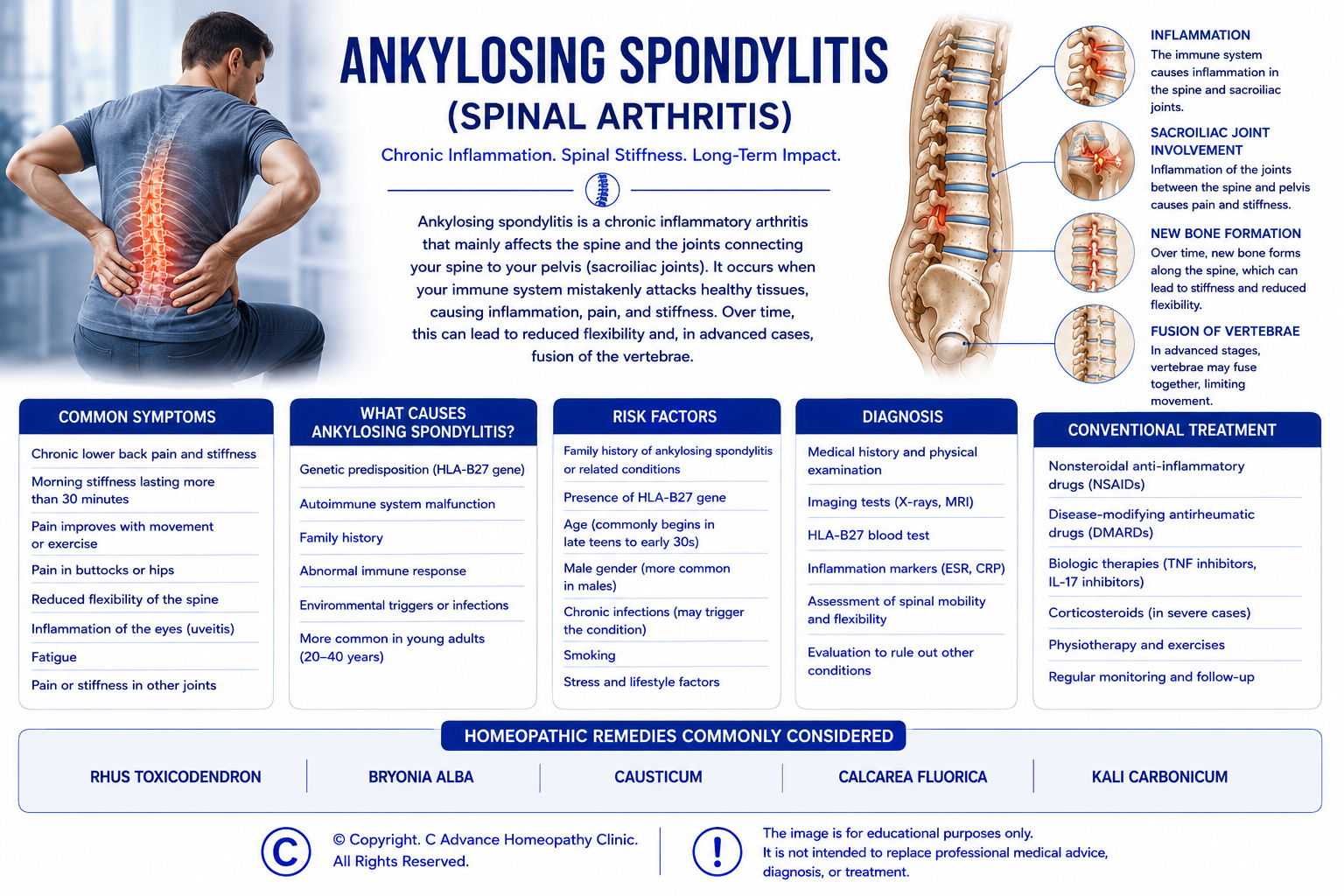
Common Signs & Symptoms of Ankylosing Spondylitis
Patients with ankylosing spondylitis may experience one or more of the following symptoms:
- Persistent lower back pain
- Morning stiffness lasting longer than 30 minutes
- Pain that improves with movement or exercise
- Buttock pain that may alternate from side to side
- Reduced flexibility of the spine
- Difficulty bending or twisting
- Fatigue
- Pain or swelling in peripheral joints
- Heel pain due to enthesitis (inflammation where tendons attach to bone)
- Episodes of painful red eyes (uveitis) in some patients
Risk Factors for Ankylosing Spondylitis
Several factors may increase the likelihood of developing ankylosing spondylitis, including:
- Autoimmune disease
- Presence of the HLA-B27 gene
- Family history
- Male gender
- Onset typically before 45 years of age
- Abnormal immune system regulation
- Genetic predisposition
Conventional Management of Ankylosing Spondylitis
Treatment aims to reduce inflammation, preserve spinal mobility, relieve pain, prevent long-term complications, and maintain normal physical function.
Conventional management may include:
- Regular exercise and stretching programmes
- Physiotherapy
- Posture training
- Non-steroidal anti-inflammatory drugs (NSAIDs)
- Disease-Modifying Anti-Rheumatic Drugs (DMARDs) for peripheral joint involvement
- Biologic therapies such as TNF inhibitors or IL-17 inhibitors
- Targeted synthetic therapies where appropriate
- Pain management strategies
- Orthopaedic surgery in selected advanced cases
- Regular follow-up with a rheumatologist
Homeopathic Medicines Commonly Considered for Ankylosing Spondylitis
Some homeopathic medicines that may be considered by experienced homeopathic physicians for ankylosing spondylitis include:
- Rhus Toxicodendron
- Bryonia Alba
- Calcarea Fluorica
- Causticum
- Kali Carbonicum
- Guaiacum Officinale
- Ruta Graveolens
- Actaea Racemosa
Homeopathic medicines should only be prescribed by a qualified homeopathic physician after an individualized clinical evaluation.
Important: Complementary Care for Ankylosing Spondylitis
Ankylosing Spondylitis (AS) should always be evaluated and managed by a qualified rheumatologist or appropriately trained healthcare professional to confirm the diagnosis, determine disease activity and severity, assess spinal mobility and functional impairment, identify extra-articular manifestations, evaluate radiographic progression, and develop an individualized long-term management plan. Comprehensive evaluation commonly includes a detailed medical history, comprehensive musculoskeletal examination, assessment of inflammatory back pain, spinal mobility, posture, chest expansion, peripheral joint involvement, physical function, review of medical history and current medications, laboratory investigations including inflammatory markers, HLA-B27 testing where clinically appropriate, X-rays of the sacroiliac joints and spine, Magnetic Resonance Imaging (MRI) for early inflammatory disease where indicated, and assessment for extra-articular involvement affecting the eyes, gastrointestinal tract, skin, cardiovascular system, lungs, or other organs. Accurate diagnosis is essential because chronic back pain and stiffness may also occur in mechanical back pain, degenerative spinal disease, Psoriatic Arthritis, Reactive Arthritis, diffuse idiopathic skeletal hyperostosis (DISH), spinal infections, malignancy, osteoporosis with vertebral fractures, or other rheumatological and musculoskeletal disorders, each requiring different management.
Patients with stable Ankylosing Spondylitis may be considered for individualized homeopathic treatment as a complementary approach following appropriate rheumatological evaluation. Homeopathy may be integrated alongside regular physiotherapy, supervised spinal mobility and stretching exercises, posture training, breathing exercises to maintain chest expansion, structured exercise programmes, patient education, smoking cessation, healthy lifestyle modification, Disease-Modifying Anti-Rheumatic Drugs (DMARDs) where appropriate for peripheral arthritis, biologic or targeted therapies when indicated, and regular follow-up with their rheumatologist. Individualized homeopathic prescribing is based on the patient's complete clinical presentation, constitutional characteristics, musculoskeletal symptoms, disease activity, spinal mobility, associated medical conditions, physical and emotional well-being, lifestyle factors, functional limitations, medical history, and overall health rather than the diagnosis alone.
Patients should continue all recommended conventional treatment, including regular rheumatology assessment, non-steroidal anti-inflammatory drugs (NSAIDs) when appropriate, biologic therapies or targeted synthetic therapies where clinically indicated, physiotherapy, structured exercise programmes, posture correction, respiratory exercises, osteoporosis prevention where appropriate, monitoring of disease activity, imaging studies, laboratory monitoring, and management of extra-articular manifestations. Homeopathy should not be regarded as a substitute for evidence-based rheumatological care, particularly in patients with active inflammatory disease, rapidly progressive spinal fusion, severe functional impairment, recurrent uveitis, inflammatory bowel disease, significant hip involvement, spinal fractures, neurological complications, or other manifestations requiring specialist management.
Patients with persistent inflammatory back pain despite appropriate treatment, progressive loss of spinal mobility, worsening posture, increasing limitation of daily activities, recurrent eye inflammation, progressive neurological symptoms, uncertainty regarding the diagnosis, evidence of medication-related adverse effects, or suspected involvement of other organs should continue specialist rheumatology follow-up and regular reassessment. Homeopathy should not replace recommended rheumatological evaluation, laboratory monitoring, imaging studies, biologic therapies, structured physiotherapy, rehabilitation programmes, or other evidence-based treatments recommended by the treating rheumatologist.
Patients who develop sudden severe spinal pain following minor trauma, new weakness or numbness in the arms or legs, loss of bladder or bowel control, severe eye pain with redness and blurred vision, marked shortness of breath, severe chest pain, signs of serious infection while receiving immunosuppressive therapy, or any rapidly worsening systemic symptoms should seek immediate emergency medical attention, as these symptoms may indicate spinal fracture, spinal cord compression, acute anterior uveitis, serious infection, cardiovascular complications, neurological emergencies, or other life-threatening rheumatological or medical conditions requiring urgent specialist assessment and hospital-based care.
4. Psoriatic Arthritis
What is Psoriatic Arthritis?
Psoriatic Arthritis (PsA) is a chronic autoimmune inflammatory arthritis that develops in some individuals with psoriasis, a long-term inflammatory skin disease. It occurs when the immune system attacks the joints, tendons, ligaments, and surrounding tissues, leading to persistent inflammation. Joint symptoms may develop before, during, or after the appearance of psoriasis, and in some patients, arthritis develops without obvious skin involvement initially.
Psoriatic arthritis may affect small or large joints, the spine, the points where tendons attach to bone (entheses), and the fingers or toes, causing characteristic swelling known as dactylitis or "sausage digits." Without appropriate treatment, ongoing inflammation may gradually damage the joints and reduce mobility. Early diagnosis and treatment are important to control inflammation, preserve joint function, and improve long-term outcomes.

Common Signs & Symptoms of Psoriatic Arthritis
Patients with psoriatic arthritis may experience one or more of the following symptoms:
- Joint pain and swelling
- Morning stiffness
- Pain in the fingers or toes
- Swollen fingers or toes (dactylitis)
- Heel pain due to enthesitis
- Reduced range of joint movement
- Nail pitting or other nail changes
- Psoriasis affecting the skin or scalp
- Fatigue
Risk Factors for Psoriatic Arthritis
Several factors may increase the likelihood of developing psoriatic arthritis, including:
- Psoriasis
- Family history of psoriasis or psoriatic arthritis
- Autoimmune disease
- Genetic predisposition
- Environmental triggers
- Previous infections
- Obesity
- Smoking
Conventional Management of Psoriatic Arthritis
Treatment focuses on controlling inflammation, preventing joint damage, relieving symptoms, preserving physical function, and improving quality of life.
Conventional management may include:
- Disease-Modifying Anti-Rheumatic Drugs (DMARDs)
- Biologic therapies
- Targeted synthetic DMARDs
- Non-steroidal anti-inflammatory drugs (NSAIDs)
- Corticosteroid injections into selected joints
- Physiotherapy
- Occupational therapy
- Regular dermatology and rheumatology follow-up
- Orthopaedic surgery for advanced joint damage when necessary
Homeopathic Medicines Commonly Considered for Psoriatic Arthritis
Some homeopathic medicines that may be considered by experienced homeopathic physicians for psoriatic arthritis include:
- Graphites
- Sulphur
- Rhus Toxicodendron
- Calcarea Carbonica
- Arsenicum Album
- Petroleum
- Mezereum
- Causticum
Homeopathic medicines should only be prescribed by a qualified homeopathic physician after an individualized clinical evaluation.
Important: Complementary Care for Psoriatic Arthritis
Psoriatic Arthritis (PsA) should always be evaluated and managed by a qualified rheumatologist or appropriately trained healthcare professional to confirm the diagnosis, determine disease activity and severity, assess the extent of joint, spinal, entheseal, dactylitic, skin, and nail involvement, evaluate functional impairment, identify extra-articular manifestations, and develop an individualized long-term management plan. Comprehensive evaluation commonly includes a detailed medical history, comprehensive musculoskeletal examination, assessment of peripheral joints, enthesitis, dactylitis, spinal involvement, skin and nail disease, physical function, review of medical history and current medications, laboratory investigations including inflammatory markers, imaging studies such as X-rays, musculoskeletal ultrasound, or Magnetic Resonance Imaging (MRI) where clinically indicated, and assessment for associated conditions including uveitis, inflammatory bowel disease, cardiovascular risk factors, obesity, metabolic syndrome, and other comorbidities. Accurate diagnosis is essential because inflammatory joint disease may also occur in Rheumatoid Arthritis, Ankylosing Spondylitis, Reactive Arthritis, crystal-induced arthritis, osteoarthritis, connective tissue diseases, septic arthritis, or other rheumatological disorders, each requiring different management.
Patients with stable Psoriatic Arthritis may be considered for individualized homeopathic treatment as a complementary approach following appropriate rheumatological evaluation. Homeopathy may be integrated alongside Disease-Modifying Anti-Rheumatic Drugs (DMARDs), biologic therapies, targeted synthetic therapies, physiotherapy, occupational therapy, supervised exercise programmes, joint protection strategies, weight management where appropriate, smoking cessation, healthy lifestyle modification, coordinated dermatology care for skin disease, patient education, and regular follow-up with their rheumatologist. Individualized homeopathic prescribing is based on the patient's complete clinical presentation, constitutional characteristics, musculoskeletal symptoms, skin and nail manifestations, disease activity, associated medical conditions, physical and emotional well-being, lifestyle factors, functional limitations, medical history, and overall health rather than the diagnosis alone.
Patients should continue all recommended conventional treatment, including regular rheumatology assessment, Disease-Modifying Anti-Rheumatic Drugs (DMARDs), biologic or targeted synthetic therapies where clinically indicated, laboratory monitoring, imaging studies, physiotherapy, occupational therapy, structured exercise programmes, coordinated dermatological management, cardiovascular risk reduction, weight management where appropriate, recommended vaccinations, and ongoing monitoring for medication effectiveness and adverse effects. Homeopathy should not be regarded as a substitute for disease-modifying therapy, biologic treatment, or other evidence-based rheumatological care, particularly in patients with active inflammatory disease, progressive joint destruction, severe enthesitis or dactylitis, axial involvement, recurrent uveitis, inflammatory bowel disease, significant functional impairment, or other complications requiring specialist management.
Patients with persistent joint pain or swelling despite appropriate treatment, progressive limitation of mobility, worsening skin or nail disease, increasing joint deformity, recurrent disease flares, uncertainty regarding the diagnosis, evidence of medication-related adverse effects, or suspected involvement of the eyes, gastrointestinal tract, cardiovascular system, or other organs should continue specialist rheumatology follow-up and regular reassessment. Homeopathy should not replace recommended rheumatological evaluation, laboratory monitoring, imaging studies, Disease-Modifying Anti-Rheumatic Drugs (DMARDs), biologic therapies, dermatological care, rehabilitation programmes, or other evidence-based treatments recommended by the treating rheumatologist.
Patients who develop sudden severe joint pain associated with fever, rapidly progressive joint swelling, severe eye pain with redness or blurred vision, marked weakness, chest pain, severe shortness of breath, signs of serious infection while receiving immunosuppressive therapy, severe neurological symptoms, or any rapidly worsening systemic symptoms should seek immediate emergency medical attention, as these symptoms may indicate septic arthritis, acute anterior uveitis, serious infection, cardiovascular emergencies, neurological complications, or other life-threatening rheumatological or medical conditions requiring urgent specialist assessment and hospital-based care.
5. Gout
What is Gout?
Gout is a common type of inflammatory arthritis caused by the accumulation of uric acid crystals inside a joint. When the level of uric acid in the blood becomes too high, sharp crystals may form within the joints, triggering sudden episodes of severe pain, swelling, redness, and warmth. These painful episodes are commonly known as gout attacks.
The joint at the base of the big toe is most frequently affected, although gout may also involve the ankles, knees, wrists, elbows, fingers, and other joints. Without appropriate treatment, recurrent gout attacks may become more frequent, involve multiple joints, and eventually lead to joint damage or the formation of deposits of uric acid crystals called tophi. Early diagnosis and effective management are important to relieve symptoms, prevent future attacks, and reduce long-term complications.
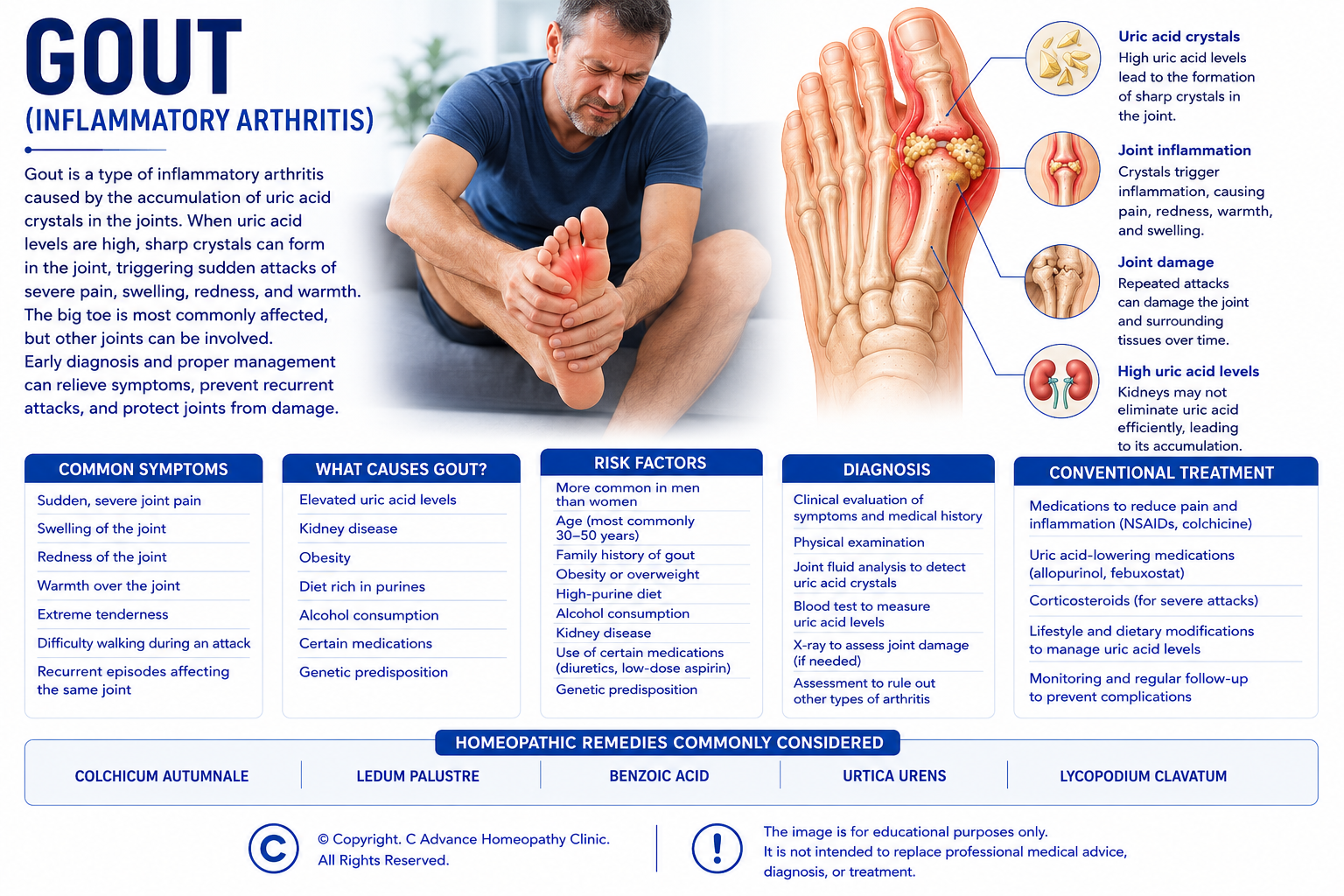
Common Signs & Symptoms of Gout
Patients with gout may experience one or more of the following symptoms:
- Sudden, severe joint pain
- Swelling of the affected joint
- Redness over the joint
- Warmth and tenderness
- Pain that often begins at night
- Difficulty walking or using the affected joint during an attack
- Recurrent attacks affecting the same or different joints
- Tophi (firm deposits beneath the skin) in long-standing disease
Risk Factors for Gout
Several factors may increase the likelihood of developing gout, including:
- Elevated uric acid levels
- Kidney disease
- Obesity
- Diet rich in purines
- Alcohol consumption
- Certain medications, such as diuretics
- Family history
- Metabolic syndrome
- High blood pressure
Conventional Management of Gout
Treatment aims to relieve pain during an acute attack, reduce inflammation, lower uric acid levels, prevent recurrent attacks, and minimise long-term joint damage.
Conventional management may include:
- Non-steroidal anti-inflammatory drugs (NSAIDs)
- Colchicine
- Corticosteroids where appropriate
- Urate-lowering medications such as allopurinol or febuxostat
- Adequate hydration
- Dietary modification
- Weight management
- Limiting alcohol intake
- Regular monitoring of uric acid levels
Homeopathic Medicines Commonly Considered for Gout
Some homeopathic medicines that may be considered by experienced homeopathic physicians for gout include:
- Colchicum Autumnale
- Ledum Palustre
- Benzoic Acid
- Urtica Urens
- Lycopodium Clavatum
- Guaiacum Officinale
- Rhus Toxicodendron
- Formica Rufa
Homeopathic medicines should only be prescribed by a qualified homeopathic physician after an individualized clinical evaluation.
Important: Complementary Care for Gout
Gout should always be evaluated and managed by a qualified rheumatologist, physician, or appropriately trained healthcare professional to confirm the diagnosis, determine disease severity, identify contributing metabolic and medical conditions, assess the extent of joint involvement, evaluate the presence of tophi or kidney involvement, and develop an individualized long-term management plan. Comprehensive evaluation commonly includes a detailed medical history, comprehensive musculoskeletal examination, assessment of affected joints, review of previous gout attacks, dietary and alcohol history, medication review, laboratory investigations including serum uric acid, kidney function tests, inflammatory markers, complete blood count, joint aspiration with crystal analysis when clinically indicated, imaging studies such as X-rays, musculoskeletal ultrasound, or Dual-Energy Computed Tomography (DECT) in selected patients, and assessment for associated conditions including chronic kidney disease, hypertension, diabetes mellitus, obesity, metabolic syndrome, and cardiovascular disease. Accurate diagnosis is essential because acute inflammatory arthritis may also occur in septic arthritis, calcium pyrophosphate crystal deposition disease (pseudogout), Rheumatoid Arthritis, Psoriatic Arthritis, reactive arthritis, osteoarthritis with acute inflammation, or other rheumatological disorders, each requiring different management.
Patients with stable Gout may be considered for individualized homeopathic treatment as a complementary approach following appropriate rheumatological evaluation. Homeopathy may be integrated alongside urate-lowering therapy, dietary counselling, weight management where appropriate, limitation of alcohol intake, adequate hydration, regular physical activity, management of cardiovascular and metabolic risk factors, patient education, healthy lifestyle modification, and regular follow-up with their rheumatologist or primary healthcare provider. Individualized homeopathic prescribing is based on the patient's complete clinical presentation, constitutional characteristics, pattern of gout attacks, joint symptoms, associated medical conditions, kidney function, lifestyle factors, dietary habits, physical and emotional well-being, medical history, and overall health rather than the diagnosis alone.
Patients should continue all recommended conventional treatment, including management of acute gout flares with appropriate anti-inflammatory therapy, long-term urate-lowering medications such as allopurinol or febuxostat when clinically indicated, regular monitoring of serum uric acid levels, kidney function assessment, dietary modification, weight reduction where appropriate, management of hypertension, diabetes, chronic kidney disease and other associated conditions, and ongoing rheumatology follow-up. Homeopathy should not be regarded as a substitute for urate-lowering therapy or other evidence-based rheumatological care, particularly in patients with frequent gout attacks, tophaceous gout, chronic gouty arthritis, significant joint destruction, kidney stones, chronic kidney disease, severe hyperuricemia, or other complications requiring specialist management.
Patients with recurrent gout attacks despite appropriate treatment, persistent joint swelling, progressive joint deformity, enlarging tophi, worsening kidney function, recurrent kidney stones, uncertainty regarding the diagnosis, evidence of medication-related adverse effects, or suspected septic arthritis should continue specialist rheumatology follow-up and regular reassessment. Homeopathy should not replace recommended rheumatological evaluation, laboratory monitoring, joint aspiration when indicated, imaging studies, urate-lowering therapy, dietary management, or other evidence-based treatments recommended by the treating rheumatologist.
Patients who develop a hot, swollen joint associated with high fever, severe uncontrolled pain, inability to move the affected limb, rapidly spreading redness, confusion, signs of systemic infection, severe flank pain with fever, markedly reduced urine output, or any rapidly worsening systemic symptoms should seek immediate emergency medical attention, as these symptoms may indicate septic arthritis, acute kidney injury, obstructing kidney stones with infection, severe systemic infection, or another life-threatening rheumatological or medical condition requiring urgent specialist assessment and hospital-based care.
6. Fibromyalgia
What is Fibromyalgia?
Fibromyalgia is a chronic pain syndrome characterised by widespread musculoskeletal pain, tenderness, fatigue, sleep disturbances, and difficulties with memory and concentration. Unlike inflammatory forms of arthritis, fibromyalgia does not cause joint inflammation or permanent joint damage. Current research suggests that the condition is related to changes in the way the brain and nervous system process pain signals, making individuals more sensitive to pain.
Fibromyalgia is recognised and managed by rheumatologists because its symptoms often resemble those of inflammatory rheumatological diseases, and it is important to exclude other conditions before making the diagnosis. The condition may significantly affect daily activities, work, sleep, physical function, and emotional well-being. Although fibromyalgia is a long-term condition, many people experience meaningful improvement with a combination of education, exercise, lifestyle measures, and appropriate medical care.
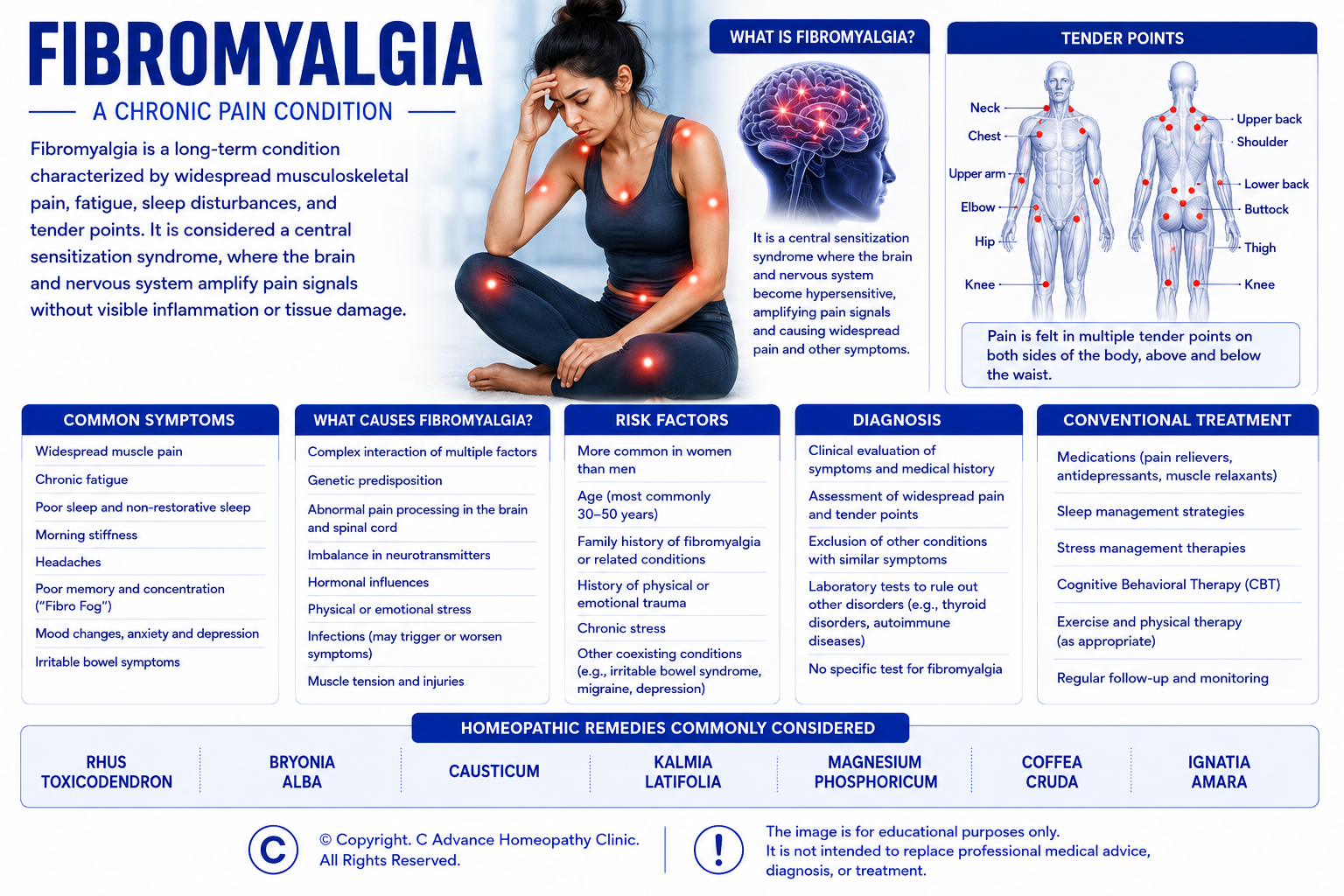
Common Signs & Symptoms of Fibromyalgia
Patients with fibromyalgia may experience one or more of the following symptoms:
- Widespread muscle and joint pain
- Tenderness in different areas of the body
- Persistent fatigue
- Unrefreshing sleep
- Morning stiffness
- Difficulty concentrating ("fibro fog")
- Headaches
- Irritable bowel symptoms in some patients
- Increased sensitivity to touch, noise, light, or temperature
Risk Factors for Fibromyalgia
Several factors may increase the likelihood of developing fibromyalgia, including:
- Female gender
- Family history
- Chronic physical or emotional stress
- Previous physical injury
- Autoimmune rheumatological diseases
- Sleep disorders
- Chronic pain conditions
- Certain infections in susceptible individuals
Conventional Management of Fibromyalgia
Treatment aims to reduce symptoms, improve physical function, enhance sleep quality, and improve overall quality of life through a comprehensive, multidisciplinary approach.
Conventional management may include:
- Patient education
- Regular aerobic exercise
- Strengthening and flexibility exercises
- Cognitive behavioural therapy (CBT) where appropriate
- Sleep management
- Stress reduction techniques
- Physiotherapy
- Occupational therapy
- Medications to help reduce pain or improve sleep in selected patients
Homeopathic Medicines Commonly Considered for Fibromyalgia
Some homeopathic medicines that may be considered by experienced homeopathic physicians for fibromyalgia include:
- Rhus Toxicodendron
- Arnica Montana
- Bryonia Alba
- Causticum
- Kalmia Latifolia
- Actaea Racemosa
- Ruta Graveolens
- Gelsemium Sempervirens
Homeopathic medicines should only be prescribed by a qualified homeopathic physician after an individualized clinical evaluation.
Important: Complementary Care for Fibromyalgia
Fibromyalgia should always be evaluated and managed by a qualified rheumatologist, pain medicine specialist, or appropriately trained healthcare professional to confirm the diagnosis, determine symptom severity, identify contributing biological, psychological, and social factors, assess functional impairment, exclude other medical conditions that may mimic fibromyalgia, and develop an individualized long-term management plan. Comprehensive evaluation commonly includes a detailed medical history, comprehensive musculoskeletal examination, assessment of widespread pain, fatigue, sleep quality, cognitive symptoms ("fibro fog"), physical function, review of medical history and current medications, evaluation of mood and emotional well-being, laboratory investigations to exclude inflammatory, endocrine, metabolic, or neurological disorders where clinically indicated, and additional investigations based on the patient's clinical presentation. Accurate diagnosis is essential because widespread pain and fatigue may also occur in Rheumatoid Arthritis, Systemic Lupus Erythematosus (SLE), Sjögren's Syndrome, inflammatory myopathies, hypothyroidism, vitamin deficiencies, chronic infections, neurological disorders, sleep disorders, chronic fatigue syndrome, or other rheumatological and medical conditions, each requiring different management.
Patients with stable Fibromyalgia may be considered for individualized homeopathic treatment as a complementary approach following appropriate medical evaluation. Homeopathy may be integrated alongside patient education, supervised aerobic exercise, progressive strengthening programmes, stretching exercises, Cognitive Behavioural Therapy (CBT) where appropriate, sleep optimization, stress management programmes, healthy lifestyle modification, physiotherapy, occupational therapy, prescribed medications when indicated, and regular follow-up with their rheumatologist or primary healthcare provider. Individualized homeopathic prescribing is based on the patient's complete clinical presentation, constitutional characteristics, pain pattern, fatigue, sleep disturbances, associated physical and emotional symptoms, lifestyle factors, functional limitations, medical history, and overall health rather than the diagnosis alone.
Patients should continue all recommended conventional treatment, including regular clinical assessment, structured exercise programmes, physiotherapy, Cognitive Behavioural Therapy (CBT) where appropriate, sleep management, prescribed medications for pain or associated symptoms when clinically indicated, psychological support where required, management of associated anxiety or depression, lifestyle modification, and ongoing follow-up with their treating healthcare professional. Homeopathy should not be regarded as a substitute for evidence-based multidisciplinary management, particularly in patients with severe functional impairment, significant psychiatric illness, disabling fatigue, uncontrolled chronic pain, uncertainty regarding the diagnosis, or other medical conditions requiring specialist management.
Patients with persistent widespread pain despite appropriate treatment, progressive loss of physical function, worsening fatigue, significant sleep disturbance, increasing cognitive difficulties, uncertainty regarding the diagnosis, development of joint swelling, persistent fever, unexplained weight loss, progressive muscle weakness, neurological symptoms, or other features suggesting an alternative diagnosis should continue specialist rheumatology follow-up and regular reassessment. Homeopathy should not replace recommended medical evaluation, laboratory investigations, physiotherapy, structured exercise programmes, psychological interventions, prescribed medications, or other evidence-based treatments recommended by the treating specialist.
Patients who develop new focal neurological deficits, rapidly progressive muscle weakness, severe chest pain, marked shortness of breath, persistent high fever, sudden confusion, seizures, loss of bladder or bowel control, or any rapidly worsening systemic symptoms should seek immediate emergency medical attention, as these symptoms are not typical features of Fibromyalgia and may indicate neurological disease, severe infection, inflammatory autoimmune disease, cardiovascular emergencies, spinal cord compression, or another serious medical condition requiring urgent specialist assessment and hospital-based care.
7. Systemic Lupus Erythematosus (SLE)
What is Systemic Lupus Erythematosus (SLE)?
Systemic Lupus Erythematosus (SLE), commonly known as lupus, is a chronic autoimmune disease in which the immune system mistakenly attacks healthy tissues throughout the body. Unlike many forms of arthritis that primarily affect the joints, lupus may involve multiple organs, including the skin, joints, kidneys, lungs, heart, brain, blood cells, and blood vessels.
The severity of lupus varies considerably from one person to another. Some individuals experience relatively mild symptoms affecting the skin and joints, while others may develop serious complications involving major organs. Periods of increased disease activity (flares) are often followed by periods of symptom improvement (remission). Early diagnosis, regular monitoring, and appropriate treatment are important for reducing inflammation, preventing organ damage, and improving long-term outcomes.
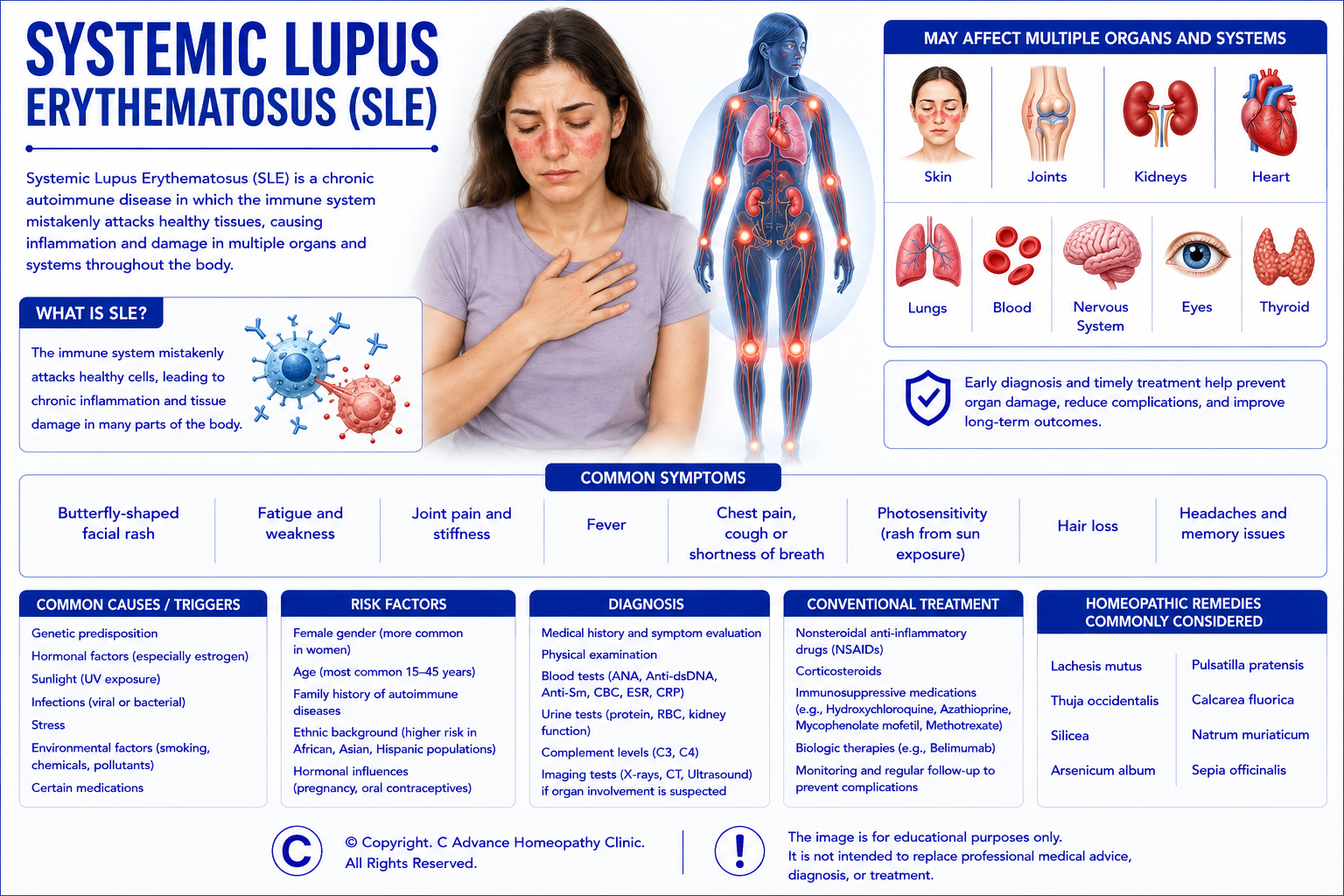
Common Signs & Symptoms of Systemic Lupus Erythematosus (SLE)
Patients with lupus may experience one or more of the following symptoms:
- Joint pain and swelling
- Persistent fatigue
- Butterfly-shaped rash across the cheeks and nose
- Increased sensitivity to sunlight (photosensitivity)
- Mouth or nose ulcers
- Hair loss
- Fever without obvious infection
- Chest pain during deep breathing
- Swelling of the legs due to kidney involvement in some patients
- Raynaud's phenomenon (fingers changing colour in cold temperatures)
Risk Factors for Systemic Lupus Erythematosus (SLE)
Several factors may increase the likelihood of developing lupus, including:
- Autoimmune disease
- Female gender
- Family history
- Genetic predisposition
- Hormonal influences
- Certain environmental triggers
- Sunlight (UV exposure) may trigger disease flares
- Certain medications in rare cases (drug-induced lupus)
Conventional Management of Systemic Lupus Erythematosus (SLE)
Treatment aims to control immune system activity, reduce inflammation, prevent organ damage, minimise disease flares, and improve quality of life.
Conventional management may include:
- Hydroxychloroquine
- Corticosteroids
- Immunosuppressive medications
- Biologic therapies where indicated
- Non-steroidal anti-inflammatory drugs (NSAIDs) for selected patients
- Sun protection measures
- Regular laboratory monitoring
- Kidney function monitoring
- Multidisciplinary specialist care depending on organ involvement
Homeopathic Medicines Commonly Considered for Systemic Lupus Erythematosus (SLE)
Some homeopathic medicines that may be considered by experienced homeopathic physicians for patients with lupus include:
- Arsenicum Album
- Sulphur
- Calcarea Carbonica
- Silicea
- Natrum Muriaticum
- Phosphorus
- Lycopodium Clavatum
- Causticum
Homeopathic medicines should only be prescribed by a qualified homeopathic physician after an individualized clinical evaluation.
Important: Complementary Care for Systemic Lupus Erythematosus (SLE)
Systemic Lupus Erythematosus (SLE) should always be evaluated and managed by a qualified rheumatologist or appropriately trained healthcare professional to confirm the diagnosis, determine disease activity and severity, assess the extent of organ involvement, evaluate functional impairment, identify prognostic factors, and develop an individualized long-term management plan. Comprehensive evaluation commonly includes a detailed medical history, comprehensive physical examination, assessment of musculoskeletal, dermatological, renal, neurological, cardiovascular, respiratory, and hematological involvement, review of medical history and current medications, laboratory investigations including complete blood count, inflammatory markers, kidney and liver function tests, urinalysis, urine protein assessment, antinuclear antibody (ANA), anti-double-stranded DNA (anti-dsDNA), complement levels (C3 and C4), antiphospholipid antibody testing where clinically indicated, imaging studies and organ-specific investigations as appropriate, and additional assessments based on the patient's clinical presentation. Accurate diagnosis is essential because multisystem autoimmune symptoms may also occur in Sjögren's Syndrome, Systemic Sclerosis (Scleroderma), Mixed Connective Tissue Disease, Rheumatoid Arthritis, vasculitis, inflammatory myopathies, infections, malignancies, or other autoimmune and medical disorders, each requiring different management.
Patients with stable Systemic Lupus Erythematosus may be considered for individualized homeopathic treatment as a complementary approach following appropriate rheumatological evaluation. Homeopathy may be integrated alongside hydroxychloroquine, immunosuppressive medications, biologic therapies where indicated, corticosteroids when clinically required, sun protection, physiotherapy, supervised exercise programmes, osteoporosis prevention, cardiovascular risk reduction, healthy lifestyle modification, patient education, and regular follow-up with their rheumatologist and other specialists involved in their care. Individualized homeopathic prescribing is based on the patient's complete clinical presentation, constitutional characteristics, disease manifestations, organ involvement, associated medical conditions, physical and emotional well-being, lifestyle factors, functional limitations, medical history, and overall health rather than the diagnosis alone.
Patients should continue all recommended conventional treatment, including regular rheumatology assessment, hydroxychloroquine unless contraindicated, immunosuppressive therapy, biologic therapies where clinically indicated, laboratory monitoring, urinalysis, kidney function monitoring, cardiovascular risk assessment, bone health management, vaccination as recommended, pregnancy planning and monitoring where appropriate, and ongoing surveillance for disease activity and medication-related adverse effects. Homeopathy should not be regarded as a substitute for immunomodulatory therapy or other evidence-based rheumatological care, particularly in patients with lupus nephritis, central nervous system lupus, severe hematological disease, vasculitis, antiphospholipid syndrome, significant pulmonary or cardiac involvement, active systemic disease, or other organ-threatening complications requiring specialist management.
Patients with persistent disease activity despite appropriate treatment, increasing joint pain or swelling, worsening skin disease, new protein in the urine, declining kidney function, seizures, severe headaches, neurological symptoms, chest pain, shortness of breath, recurrent blood clots, uncertainty regarding the diagnosis, evidence of medication-related adverse effects, or suspected involvement of additional organs should continue specialist rheumatology follow-up and regular reassessment. Homeopathy should not replace recommended rheumatological evaluation, laboratory monitoring, imaging studies, immunosuppressive therapy, biologic treatment, nephrology consultation, or other evidence-based treatments recommended by the treating rheumatologist.
Patients who develop marked reduction in urine output, swelling of the face or legs associated with kidney involvement, severe chest pain, marked shortness of breath, coughing up blood, seizures, sudden weakness or paralysis, confusion, severe headache, high fever while receiving immunosuppressive therapy, signs of serious infection, or any rapidly worsening systemic symptoms should seek immediate emergency medical attention, as these symptoms may indicate lupus nephritis, stroke, central nervous system lupus, pulmonary embolism, severe infection, myocarditis, pericarditis, diffuse alveolar haemorrhage, or another life-threatening autoimmune or medical emergency requiring urgent specialist assessment and hospital-based care.
8. Sjögren's Syndrome
What is Sjögren's Syndrome?
Sjögren's Syndrome is a chronic autoimmune disease in which the immune system primarily attacks the glands responsible for producing tears and saliva. As a result, the condition commonly causes persistent dry eyes and dry mouth. In some individuals, however, Sjögren's syndrome may also affect the joints, skin, lungs, kidneys, nerves, and other organs.
Sjögren's syndrome may occur on its own (primary Sjögren's syndrome) or develop alongside other autoimmune diseases such as rheumatoid arthritis or systemic lupus erythematosus (secondary Sjögren's syndrome). Early diagnosis and appropriate management are important to relieve symptoms, protect the eyes and teeth, and reduce the risk of long-term complications.
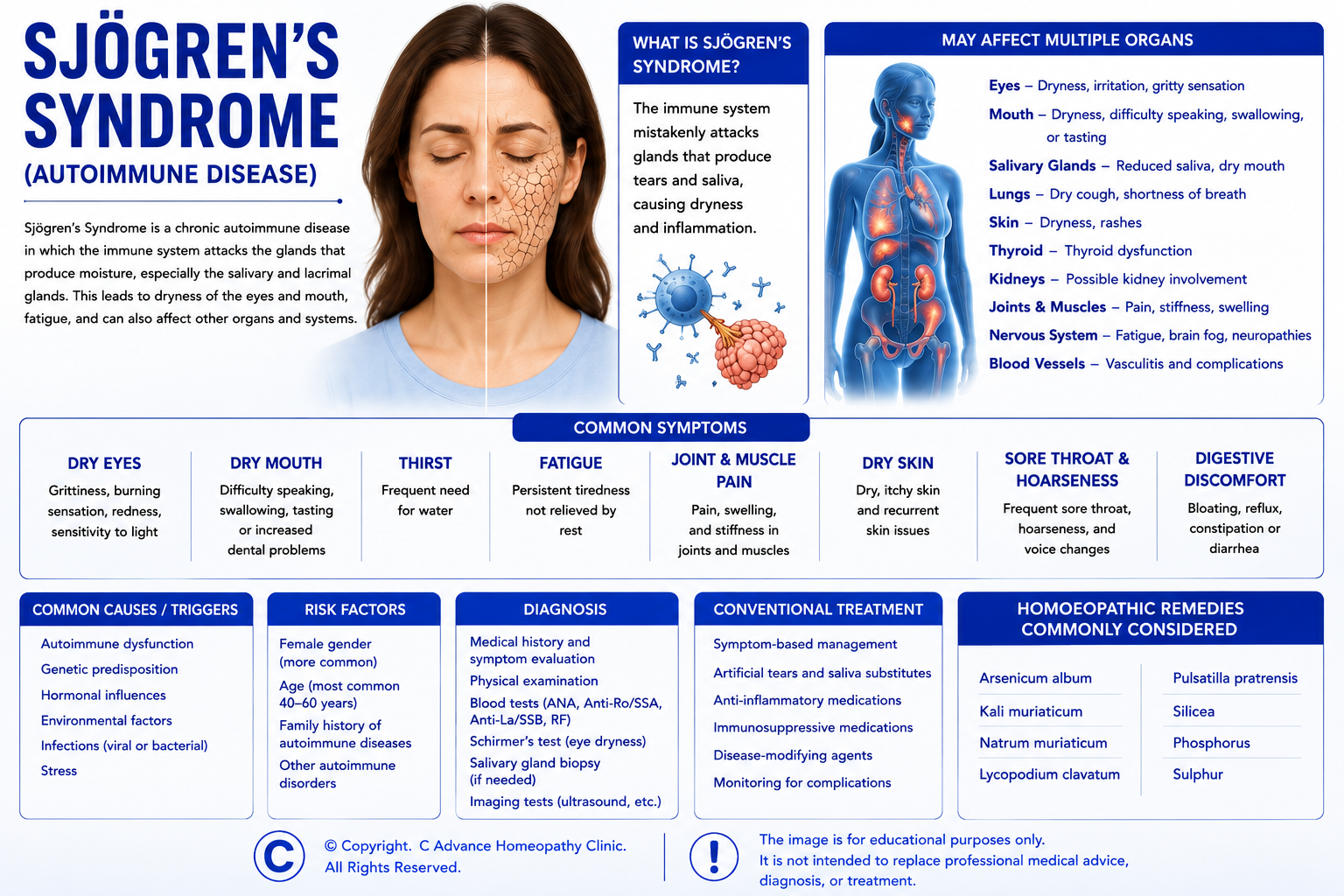
Common Signs & Symptoms of Sjögren's Syndrome
Patients with Sjögren's syndrome may experience one or more of the following symptoms:
- Dry eyes
- Burning or gritty sensation in the eyes
- Dry mouth
- Difficulty swallowing dry foods
- Frequent dental cavities
- Swollen salivary glands
- Joint pain and stiffness
- Persistent fatigue
- Dry skin
- Dry cough in some patients
Risk Factors for Sjögren's Syndrome
Several factors may increase the likelihood of developing Sjögren's syndrome, including:
- Autoimmune disease
- Female gender
- Middle age
- Family history
- Genetic predisposition
- Presence of another autoimmune disorder
Conventional Management of Sjögren's Syndrome
Treatment focuses on relieving symptoms, protecting affected organs, managing autoimmune activity, and improving quality of life.
Conventional management may include:
- Artificial tears
- Lubricating eye ointments
- Saliva substitutes
- Medications to stimulate saliva production
- Good oral hygiene and regular dental care
- Immunosuppressive medications where indicated
- Treatment of organ involvement when present
- Regular ophthalmology, dental, and rheumatology follow-up
Homeopathic Medicines Commonly Considered for Sjögren's Syndrome
Some homeopathic medicines that may be considered by experienced homeopathic physicians for Sjögren's syndrome include:
- Natrum Muriaticum
- Bryonia Alba
- Arsenicum Album
- Phosphorus
- Sulphur
- Calcarea Carbonica
- Pulsatilla Nigricans
- Silicea
Homeopathic medicines should only be prescribed by a qualified homeopathic physician after an individualized clinical evaluation.
Important: Complementary Care for Sjögren's Syndrome
Sjögren's Syndrome should always be evaluated and managed by a qualified rheumatologist or appropriately trained healthcare professional to confirm the diagnosis, determine disease activity and severity, assess the extent of glandular and systemic involvement, evaluate functional impairment, identify associated autoimmune disorders, and develop an individualized long-term management plan. Comprehensive evaluation commonly includes a detailed medical history, comprehensive physical examination, assessment of ocular and oral dryness, musculoskeletal symptoms, fatigue, review of medical history and current medications, laboratory investigations including antinuclear antibody (ANA), anti-SSA (Ro) and anti-SSB (La) antibodies, inflammatory markers, complete blood count, kidney and liver function tests, urinalysis, Schirmer's test, ocular surface assessment, salivary gland function testing, salivary gland ultrasonography or biopsy where clinically indicated, and additional investigations to evaluate pulmonary, renal, neurological, or other organ involvement based on the patient's clinical presentation. Accurate diagnosis is essential because symptoms of dry eyes, dry mouth, fatigue, and joint pain may also occur in Systemic Lupus Erythematosus (SLE), Rheumatoid Arthritis, Systemic Sclerosis (Scleroderma), IgG4-related disease, sarcoidosis, viral infections, medication-induced dryness, diabetes mellitus, thyroid disorders, or other autoimmune and medical conditions, each requiring different management.
Patients with stable Sjögren's Syndrome may be considered for individualized homeopathic treatment as a complementary approach following appropriate rheumatological evaluation. Homeopathy may be integrated alongside artificial tears, ocular lubricants, saliva substitutes, meticulous oral and dental care, medications to stimulate tear or saliva production where indicated, hydroxychloroquine or immunomodulatory therapy for systemic disease when appropriate, physiotherapy, healthy lifestyle modification, adequate hydration, patient education, and regular follow-up with their rheumatologist, ophthalmologist, dentist, and other specialists involved in their care. Individualized homeopathic prescribing is based on the patient's complete clinical presentation, constitutional characteristics, glandular and systemic symptoms, associated medical conditions, physical and emotional well-being, lifestyle factors, functional limitations, medical history, and overall health rather than the diagnosis alone.
Patients should continue all recommended conventional treatment, including regular rheumatology assessment, ophthalmological care, dental evaluation, oral preventive care, hydroxychloroquine or immunosuppressive therapy where clinically indicated, symptomatic treatment for dry eyes and dry mouth, laboratory monitoring, surveillance for systemic organ involvement, vaccination as recommended, and ongoing monitoring for medication effectiveness and adverse effects. Homeopathy should not be regarded as a substitute for evidence-based rheumatological or supportive care, particularly in patients with severe ocular disease, significant salivary gland dysfunction, pulmonary involvement, kidney disease, peripheral neuropathy, vasculitis, systemic autoimmune complications, or other manifestations requiring specialist management.
Patients with persistent dry eyes or dry mouth despite appropriate treatment, progressive fatigue, increasing joint pain, worsening swallowing difficulty, recurrent oral infections, declining kidney function, progressive neurological symptoms, chronic cough or increasing breathlessness, uncertainty regarding the diagnosis, evidence of medication-related adverse effects, or suspected involvement of additional organs should continue specialist rheumatology follow-up and regular reassessment. Homeopathy should not replace recommended rheumatological evaluation, laboratory monitoring, ophthalmological assessment, dental care, imaging studies, immunomodulatory therapy, or other evidence-based treatments recommended by the treating specialists.
Patients who develop sudden loss of vision, severe eye pain with redness, marked difficulty breathing, severe chest pain, rapidly progressive weakness or numbness, marked reduction in urine output, high fever while receiving immunosuppressive therapy, persistent swelling of the salivary glands, unexplained weight loss, or any rapidly worsening systemic symptoms should seek immediate emergency medical attention, as these symptoms may indicate severe ocular disease, serious infection, interstitial lung disease, vasculitis, kidney involvement, lymphoma, neurological complications, or another life-threatening autoimmune or medical condition requiring urgent specialist assessment and hospital-based care.
9. Systemic Sclerosis (Scleroderma)
What is Systemic Sclerosis (Scleroderma)?
Systemic Sclerosis, also known as Scleroderma, is a rare chronic autoimmune connective tissue disease characterised by abnormal thickening and hardening of the skin. In some patients, the disease may also affect blood vessels and internal organs such as the lungs, heart, kidneys, and digestive system.
The severity and pattern of disease vary considerably between individuals. Some patients experience predominantly skin involvement, while others develop significant internal organ disease requiring close specialist monitoring. Early diagnosis and appropriate medical management are important to reduce complications, preserve organ function, and improve quality of life.
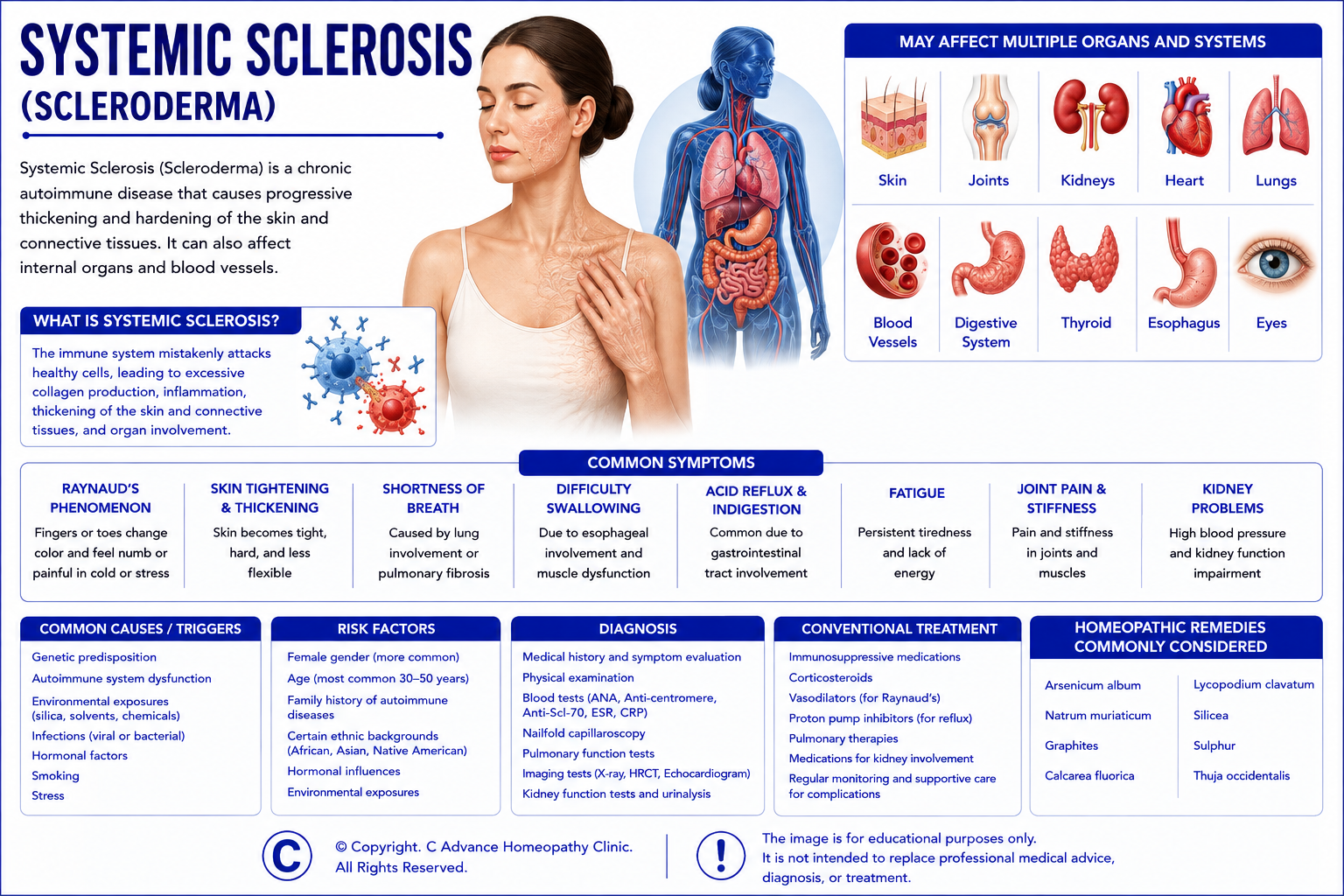
Common Signs & Symptoms of Systemic Sclerosis
Patients with systemic sclerosis may experience one or more of the following symptoms:
- Thickening or tightening of the skin
- Swelling of the fingers or hands
- Raynaud's phenomenon
- Joint pain and stiffness
- Difficulty swallowing
- Heartburn or acid reflux
- Shortness of breath
- Finger ulcers
- Fatigue
Risk Factors for Systemic Sclerosis
Several factors may increase the likelihood of developing systemic sclerosis, including:
- Autoimmune disease
- Female gender
- Family history
- Genetic predisposition
- Environmental factors in susceptible individuals
Conventional Management of Systemic Sclerosis
Treatment aims to control symptoms, slow disease progression, protect internal organs, and improve daily function.
Conventional management may include:
- Immunosuppressive medications
- Medications to improve blood circulation
- Treatment for Raynaud's phenomenon
- Physiotherapy
- Occupational therapy
- Pulmonary rehabilitation where appropriate
- Management of gastrointestinal symptoms
- Regular lung, heart, and kidney monitoring
- Multidisciplinary specialist care
Homeopathic Medicines Commonly Considered for Systemic Sclerosis
Some homeopathic medicines that may be considered by experienced homeopathic physicians for patients with systemic sclerosis include:
- Graphites
- Silicea
- Calcarea Fluorica
- Causticum
- Arsenicum Album
- Sulphur
- Phosphorus
- Fluoric Acid
Homeopathic medicines should only be prescribed by a qualified homeopathic physician after an individualized clinical evaluation.
Important: Complementary Care for Systemic Sclerosis (Scleroderma)
Systemic Sclerosis (Scleroderma) should always be evaluated and managed by a qualified rheumatologist or appropriately trained healthcare professional to confirm the diagnosis, determine disease subtype and severity, assess the extent of skin and internal organ involvement, evaluate functional impairment, identify prognostic factors, and develop an individualized long-term management plan. Comprehensive evaluation commonly includes a detailed medical history, comprehensive physical examination, assessment of skin thickening, Raynaud's phenomenon, digital ulcers, musculoskeletal symptoms, gastrointestinal manifestations, cardiopulmonary symptoms, review of medical history and current medications, laboratory investigations including antinuclear antibody (ANA), disease-specific autoantibodies such as anti-centromere and anti-topoisomerase I (Scl-70) antibodies where clinically indicated, inflammatory markers, kidney and liver function tests, pulmonary function tests, High-Resolution Computed Tomography (HRCT) of the chest when indicated, echocardiography, electrocardiography, nailfold capillaroscopy, and additional organ-specific investigations based on the patient's clinical presentation. Accurate diagnosis is essential because skin thickening, Raynaud's phenomenon, and multisystem symptoms may also occur in Systemic Lupus Erythematosus (SLE), Sjögren's Syndrome, Mixed Connective Tissue Disease, eosinophilic fasciitis, nephrogenic systemic fibrosis, vasculitis, endocrine disorders, or other autoimmune and medical conditions, each requiring different management.
Patients with stable Systemic Sclerosis may be considered for individualized homeopathic treatment as a complementary approach following appropriate rheumatological evaluation. Homeopathy may be integrated alongside vasodilator therapy for Raynaud's phenomenon where indicated, immunomodulatory or immunosuppressive therapy for systemic disease, physiotherapy, occupational therapy, hand exercises, skin care, protection from cold exposure, pulmonary rehabilitation where appropriate, nutritional support, healthy lifestyle modification, patient education, and regular follow-up with their rheumatologist and other specialists involved in their care. Individualized homeopathic prescribing is based on the patient's complete clinical presentation, constitutional characteristics, disease manifestations, organ involvement, associated medical conditions, physical and emotional well-being, lifestyle factors, functional limitations, medical history, and overall health rather than the diagnosis alone.
Patients should continue all recommended conventional treatment, including regular rheumatology assessment, immunomodulatory or immunosuppressive therapy where clinically indicated, treatment for Raynaud's phenomenon, pulmonary hypertension and interstitial lung disease when present, blood pressure monitoring, kidney function assessment, pulmonary function testing, High-Resolution CT imaging where indicated, echocardiographic surveillance, gastrointestinal management, physiotherapy, occupational therapy, vaccination as recommended, and ongoing monitoring for medication effectiveness and adverse effects. Homeopathy should not be regarded as a substitute for evidence-based rheumatological care, particularly in patients with interstitial lung disease, pulmonary hypertension, scleroderma renal crisis, significant cardiac involvement, severe gastrointestinal disease, progressive skin fibrosis, digital ischemia, or other organ-threatening complications requiring specialist management.
Patients with progressive skin thickening despite appropriate treatment, worsening breathlessness, declining pulmonary function, increasing swallowing difficulty, severe Raynaud's attacks, recurrent digital ulcers, new hypertension, declining kidney function, uncertainty regarding the diagnosis, evidence of medication-related adverse effects, or suspected involvement of additional organs should continue specialist rheumatology follow-up and regular reassessment. Homeopathy should not replace recommended rheumatological evaluation, laboratory monitoring, pulmonary function testing, High-Resolution CT imaging, echocardiography, immunomodulatory therapy, rehabilitation programmes, or other evidence-based treatments recommended by the treating specialists.
Patients who develop sudden severe elevation of blood pressure, severe headache, marked reduction in urine output, rapidly worsening breathlessness, severe chest pain, coughing up blood, new irregular heartbeat, severe digital pain with black discoloration of the fingers or toes, high fever while receiving immunosuppressive therapy, or any rapidly worsening systemic symptoms should seek immediate emergency medical attention, as these symptoms may indicate scleroderma renal crisis, pulmonary hypertension, interstitial lung disease exacerbation, acute cardiac complications, digital gangrene, serious infection, or another life-threatening autoimmune or medical emergency requiring urgent specialist assessment and hospital-based care.
10. Polymyalgia Rheumatica
What is Polymyalgia Rheumatica?
Polymyalgia Rheumatica (PMR) is a chronic inflammatory condition that primarily affects adults over the age of 50 years. It commonly causes pain and stiffness around the shoulders, neck, hips, and upper arms, making everyday activities such as getting out of bed, dressing, lifting the arms, or rising from a chair difficult, particularly in the morning.
Although polymyalgia rheumatica mainly affects the muscles and surrounding soft tissues, it is an inflammatory rheumatological disease rather than a primary muscle disorder. PMR is closely associated with another condition called Giant Cell Arteritis (Temporal Arteritis), an inflammation of blood vessels that can threaten vision if not recognised and treated promptly. Early diagnosis and appropriate treatment usually result in significant improvement and help reduce the risk of serious complications.
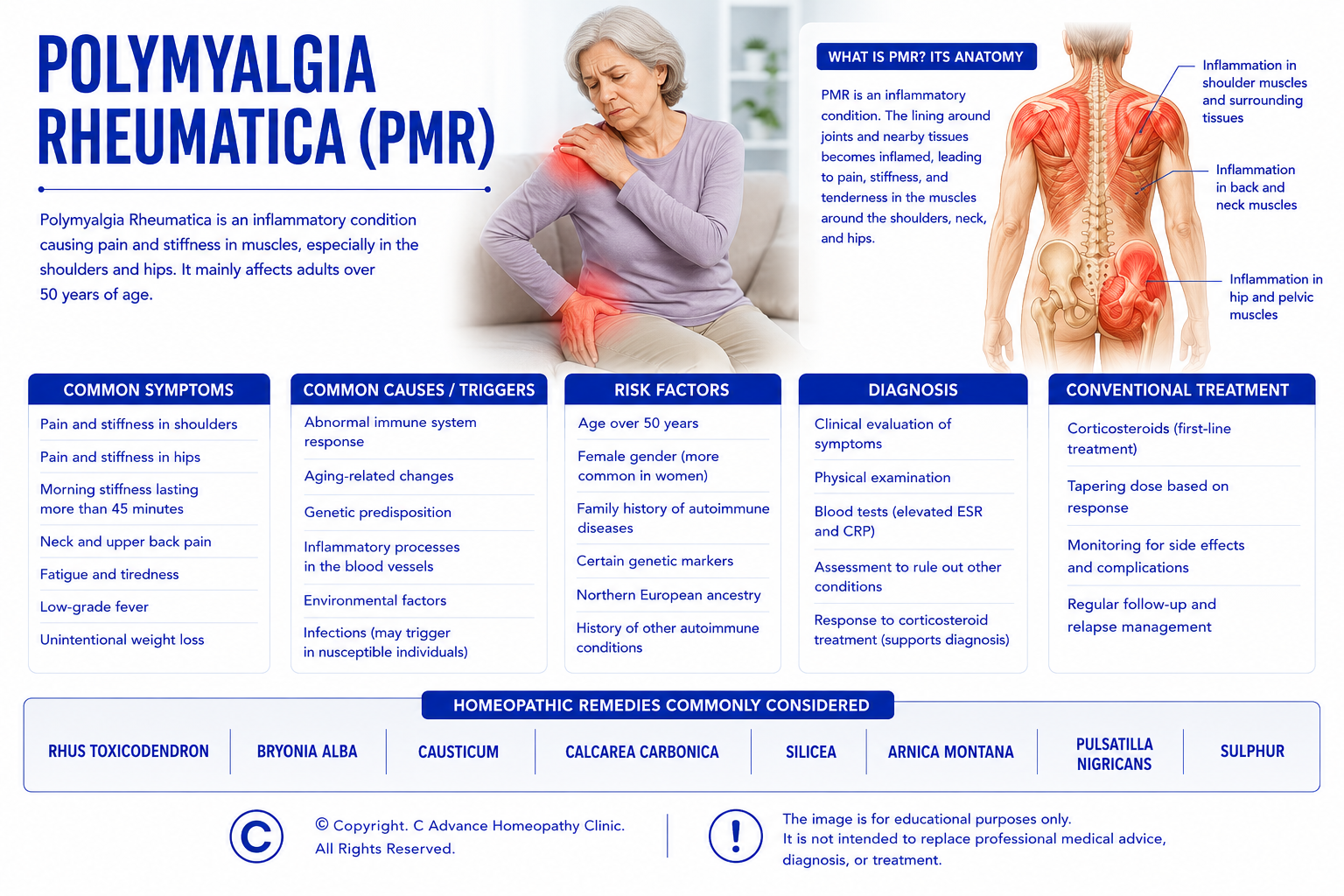
Common Signs & Symptoms of Polymyalgia Rheumatica
Patients with polymyalgia rheumatica may experience one or more of the following symptoms:
- Pain and stiffness affecting both shoulders
- Pain around the neck and upper arms
- Hip pain and stiffness
- Morning stiffness lasting longer than 45 minutes
- Difficulty getting out of bed or rising from a chair
- Fatigue
- Mild fever in some patients
- Loss of appetite
- Unintentional weight loss
Risk Factors for Polymyalgia Rheumatica
Several factors may increase the likelihood of developing polymyalgia rheumatica, including:
- Age over 50 years
- Female gender
- Family history
- Genetic predisposition
- Northern European ancestry
- Associated autoimmune mechanisms
Conventional Management of Polymyalgia Rheumatica
Treatment aims to rapidly reduce inflammation, relieve pain and stiffness, restore mobility, and prevent complications.
Conventional management may include:
- Corticosteroid therapy
- Gradual reduction of steroid dosage under medical supervision
- Regular monitoring of inflammatory markers
- Calcium and vitamin D supplementation where appropriate
- Bone protection measures
- Physiotherapy
- Gentle exercise programmes
- Regular rheumatology follow-up
Homeopathic Medicines Commonly Considered for Polymyalgia Rheumatica
Some homeopathic medicines that may be considered by experienced homeopathic physicians for polymyalgia rheumatica include:
- Rhus Toxicodendron
- Bryonia Alba
- Causticum
- Guaiacum Officinale
- Actaea Racemosa
- Kalmia Latifolia
- Arnica Montana
- Calcarea Fluorica
Homeopathic medicines should only be prescribed by a qualified homeopathic physician after an individualized clinical evaluation.
Important: Complementary Care for Polymyalgia Rheumatica (PMR)
Polymyalgia Rheumatica (PMR) should always be evaluated and managed by a qualified rheumatologist or appropriately trained healthcare professional to confirm the diagnosis, determine disease activity and severity, exclude other inflammatory, infectious, endocrine, or malignant conditions, assess functional impairment, evaluate for associated Giant Cell Arteritis (GCA), and develop an individualized treatment plan. Comprehensive evaluation commonly includes a detailed medical history, comprehensive musculoskeletal examination, assessment of shoulder and hip girdle pain and morning stiffness, evaluation of functional limitations, review of medical history and current medications, laboratory investigations including Erythrocyte Sedimentation Rate (ESR), C-Reactive Protein (CRP), complete blood count, liver and kidney function tests, thyroid function tests where clinically indicated, imaging studies such as musculoskeletal ultrasound or Magnetic Resonance Imaging (MRI) in selected patients, and additional investigations based on the patient's clinical presentation. Accurate diagnosis is essential because symptoms of pain, stiffness, and fatigue may also occur in Rheumatoid Arthritis, Systemic Lupus Erythematosus (SLE), inflammatory myopathies, osteoarthritis, fibromyalgia, hypothyroidism, chronic infections, malignancy, or other rheumatological and medical disorders, each requiring different management.
Patients with stable Polymyalgia Rheumatica may be considered for individualized homeopathic treatment as a complementary approach following appropriate rheumatological evaluation. Homeopathy may be integrated alongside prescribed corticosteroid therapy, supervised physiotherapy, progressive strengthening and flexibility exercises, osteoporosis prevention, adequate calcium and vitamin D intake where appropriate, healthy lifestyle modification, weight-bearing exercise as tolerated, patient education, and regular follow-up with their rheumatologist. Individualized homeopathic prescribing is based on the patient's complete clinical presentation, constitutional characteristics, musculoskeletal symptoms, disease activity, associated medical conditions, physical and emotional well-being, lifestyle factors, functional limitations, medical history, and overall health rather than the diagnosis alone.
Patients should continue all recommended conventional treatment, including regular rheumatology assessment, corticosteroid therapy with gradual dose reduction under medical supervision, monitoring of inflammatory markers, bone health assessment, osteoporosis prevention and treatment where appropriate, monitoring for corticosteroid-related adverse effects, physiotherapy, structured exercise programmes, vaccination as recommended, and ongoing follow-up to detect relapse or associated Giant Cell Arteritis (GCA). Homeopathy should not be regarded as a substitute for corticosteroid therapy or other evidence-based rheumatological care, particularly in patients with active inflammatory disease, recurrent relapses, Giant Cell Arteritis, significant functional impairment, severe corticosteroid complications requiring specialist management, or uncertainty regarding the diagnosis.
Patients with persistent pain and stiffness despite appropriate treatment, worsening physical function, recurrent disease flares during corticosteroid tapering, elevated inflammatory markers, uncertainty regarding the diagnosis, evidence of corticosteroid-related adverse effects, or suspected development of Giant Cell Arteritis should continue specialist rheumatology follow-up and regular reassessment. Homeopathy should not replace recommended rheumatological evaluation, laboratory monitoring, imaging studies, corticosteroid therapy, osteoporosis prevention, rehabilitation programmes, or other evidence-based treatments recommended by the treating rheumatologist.
Patients who develop a new severe headache, scalp tenderness, jaw pain while chewing (jaw claudication), sudden visual disturbance or loss of vision, double vision, persistent fever, marked weakness, severe chest pain, sudden shortness of breath, high fever while receiving corticosteroids or immunosuppressive therapy, or any rapidly worsening systemic symptoms should seek immediate emergency medical attention, as these symptoms may indicate Giant Cell Arteritis (Temporal Arteritis), impending permanent visual loss, serious infection, cardiovascular complications, or another life-threatening rheumatological or medical emergency requiring urgent specialist assessment and hospital-based care.
11. Juvenile Idiopathic Arthritis
What is Juvenile Idiopathic Arthritis?
Juvenile Idiopathic Arthritis (JIA) is the most common chronic inflammatory arthritis affecting children and adolescents. It develops when the immune system mistakenly attacks healthy joint tissues, leading to persistent inflammation. Unlike temporary joint pain associated with injuries or infections, juvenile idiopathic arthritis may continue for weeks, months, or even years and requires specialist medical care.
Juvenile idiopathic arthritis includes several subtypes that vary in severity and the number of joints affected. Some children experience inflammation in only a few joints, while others develop more widespread arthritis or inflammation affecting the eyes and other organs. Early diagnosis and appropriate treatment are important to control inflammation, support normal growth and development, preserve joint function, and maintain an active childhood.
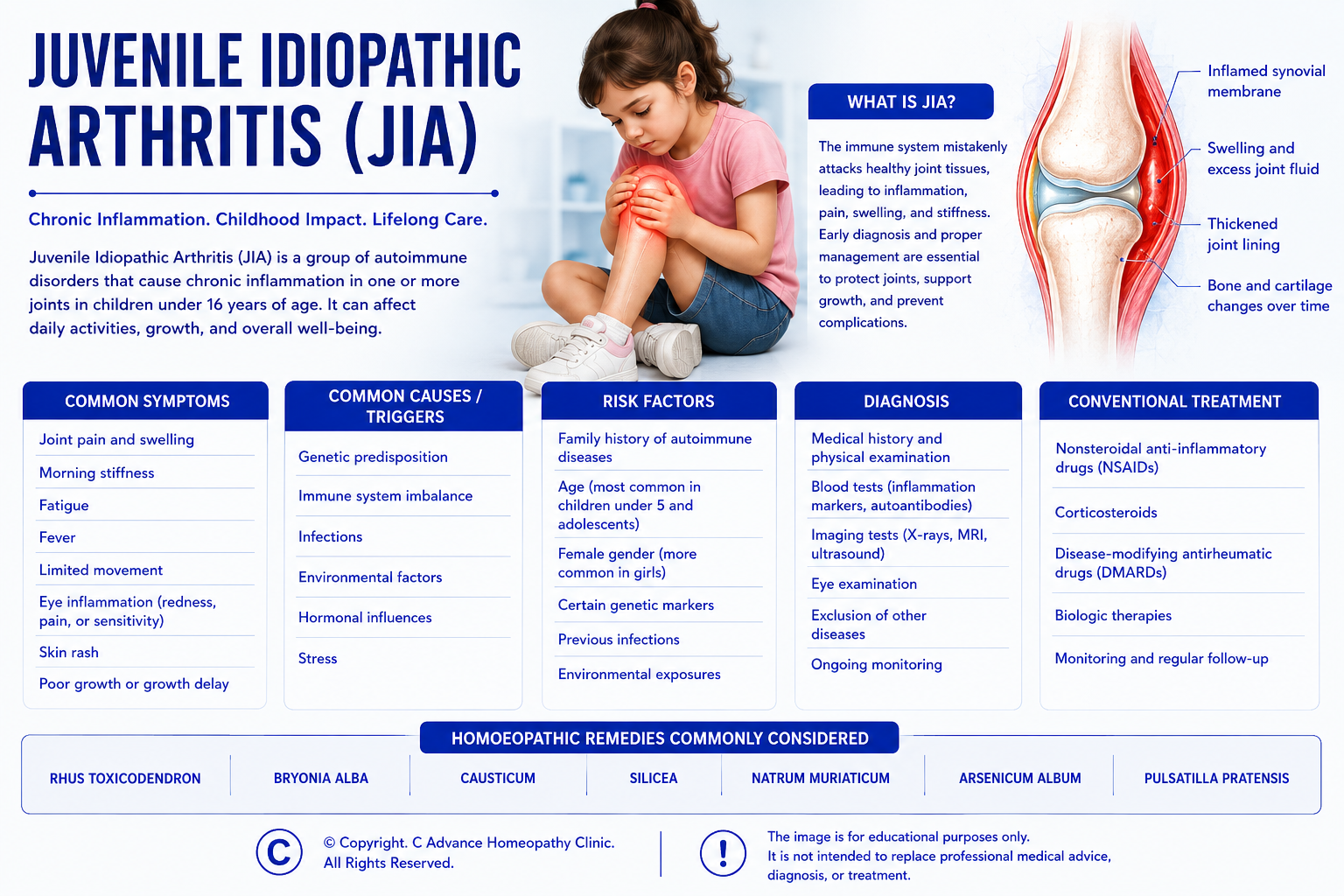
Common Signs & Symptoms of Juvenile Idiopathic Arthritis
Children with juvenile idiopathic arthritis may experience one or more of the following symptoms:
- Persistent joint pain
- Joint swelling
- Morning stiffness
- Limping, especially after waking
- Reduced movement of affected joints
- Fatigue
- Fever in certain subtypes
- Skin rash in some children
- Eye inflammation (uveitis) in selected patients
Risk Factors for Juvenile Idiopathic Arthritis
Several factors may increase the likelihood of developing juvenile idiopathic arthritis, including:
- Autoimmune disease
- Genetic predisposition
- Family history
- Female gender in certain subtypes
- Abnormal immune system regulation
- Environmental triggers in susceptible children
Conventional Management of Juvenile Idiopathic Arthritis
Treatment aims to control inflammation, relieve pain, protect joint function, support normal growth and development, and prevent long-term disability.
Conventional management may include:
- Non-steroidal anti-inflammatory drugs (NSAIDs)
- Disease-Modifying Anti-Rheumatic Drugs (DMARDs)
- Biologic therapies
- Corticosteroid injections into selected joints
- Physiotherapy
- Occupational therapy
- Regular ophthalmology screening
- Growth and developmental monitoring
- Ongoing care by a paediatric rheumatologist
Homeopathic Medicines Commonly Considered for Juvenile Idiopathic Arthritis
Some homeopathic medicines that may be considered by experienced homeopathic physicians for juvenile idiopathic arthritis include:
- Calcarea Carbonica
- Rhus Toxicodendron
- Bryonia Alba
- Causticum
- Calcarea Fluorica
- Silicea
- Pulsatilla Nigricans
- Tuberculinum
Homeopathic medicines should only be prescribed by a qualified homeopathic physician after an individualized clinical evaluation.
Important: Complementary Care for Juvenile Idiopathic Arthritis (JIA)
Juvenile Idiopathic Arthritis (JIA) should always be evaluated and managed by a qualified pediatric rheumatologist or appropriately trained healthcare professional to confirm the diagnosis, determine the subtype and severity of disease, assess the extent of joint and extra-articular involvement, evaluate physical growth and functional development, identify prognostic factors, and develop an individualized long-term management plan. Comprehensive evaluation commonly includes a detailed medical history, comprehensive musculoskeletal examination, assessment of swollen and tender joints, evaluation of morning stiffness, gait, physical function, growth and developmental milestones, review of medical history and current medications, laboratory investigations including inflammatory markers, complete blood count, antinuclear antibody (ANA), Rheumatoid Factor (RF), Anti-Cyclic Citrullinated Peptide (Anti-CCP) antibodies where clinically indicated, imaging studies such as X-rays, musculoskeletal ultrasound, or Magnetic Resonance Imaging (MRI) where appropriate, regular ophthalmological screening for uveitis using slit-lamp examination, and additional investigations based on the child's clinical presentation. Accurate diagnosis is essential because persistent joint swelling and pain in children may also occur in septic arthritis, reactive arthritis, systemic lupus erythematosus, leukemia, bone tumors, osteomyelitis, connective tissue diseases, trauma, or other pediatric rheumatological and medical disorders, each requiring different management.
Children with stable Juvenile Idiopathic Arthritis may be considered for individualized homeopathic treatment as a complementary approach following appropriate pediatric rheumatological evaluation. Homeopathy may be integrated alongside Disease-Modifying Anti-Rheumatic Drugs (DMARDs), biologic therapies where indicated, physiotherapy, occupational therapy, supervised exercise programmes, splinting when appropriate, nutritional support, healthy lifestyle measures, school-based support where required, family education, regular ophthalmological follow-up, and ongoing care under a pediatric rheumatology team. Individualized homeopathic prescribing is based on the child's complete clinical presentation, constitutional characteristics, disease manifestations, joint symptoms, growth and developmental status, associated medical conditions, physical and emotional well-being, lifestyle factors, family history, and overall health rather than the diagnosis alone.
Children should continue all recommended conventional treatment, including regular pediatric rheumatology assessment, Disease-Modifying Anti-Rheumatic Drugs (DMARDs), biologic therapies where clinically indicated, laboratory monitoring, imaging studies, physiotherapy, occupational therapy, structured exercise programmes, ophthalmological screening for uveitis, growth monitoring, vaccination as recommended, psychosocial support, and ongoing monitoring for medication effectiveness and adverse effects. Homeopathy should not be regarded as a substitute for disease-modifying therapy or other evidence-based pediatric rheumatological care, particularly in children with active inflammatory disease, rapidly progressive joint damage, systemic Juvenile Idiopathic Arthritis, chronic uveitis, significant growth impairment, severe functional limitation, or other complications requiring specialist management.
Children with persistent joint swelling despite appropriate treatment, worsening pain or stiffness, progressive loss of joint function, increasing deformity, recurrent disease flares, impaired growth, uncertainty regarding the diagnosis, evidence of medication-related adverse effects, persistent fever, or suspected involvement of the eyes or other organs should continue specialist pediatric rheumatology follow-up and regular reassessment. Homeopathy should not replace recommended pediatric rheumatology evaluation, laboratory monitoring, imaging studies, Disease-Modifying Anti-Rheumatic Drugs (DMARDs), biologic therapies, ophthalmological assessment, rehabilitation programmes, or other evidence-based treatments recommended by the treating specialists.
Children who develop a painful red eye with blurred vision, sudden loss of vision, persistent high fever, severe joint pain with inability to bear weight, marked joint swelling associated with fever, severe chest pain, marked shortness of breath, confusion, seizures, signs of serious infection while receiving immunosuppressive therapy, or any rapidly worsening systemic symptoms should seek immediate emergency medical attention, as these symptoms may indicate acute uveitis, septic arthritis, macrophage activation syndrome (MAS), severe systemic Juvenile Idiopathic Arthritis, serious infection, cardiovascular complications, or another life-threatening pediatric rheumatological or medical emergency requiring urgent specialist assessment and hospital-based care.
A Note About Homeopathic Medicines
Homeopathic treatment is based on the principle of individualization. Rather than selecting medicines solely according to the diagnosis, a qualified homeopathic physician carefully evaluates each patient's unique pattern of symptoms, overall health, medical history, lifestyle, and individual characteristics before prescribing a remedy.
For example, two patients diagnosed with rheumatoid arthritis or systemic lupus erythematosus may receive different homeopathic medicines because their symptoms, disease patterns, physical constitution, and overall health may differ considerably.
Homeopathic treatment aims to support the individual as a whole rather than focusing only on the name of the disease. Remedy selection is therefore highly personalised and should always be performed after a detailed clinical consultation.
Although several homeopathic medicines have traditionally been used by homeopathic physicians for rheumatological disorders, there is no single homeopathic medicine that is suitable for every patient with the same diagnosis.
Patients should avoid self-prescribing homeopathic medicines for chronic autoimmune or inflammatory diseases without professional guidance, as proper assessment and regular follow-up are important components of safe and responsible care.
Our Homeopathic Approach to Rheumatological Disorders
At Advance Homeopathy Clinic Dubai, we believe that every patient deserves an individualized assessment rather than a one-size-fits-all treatment approach. Rheumatological diseases often vary significantly in their severity, progression, organ involvement, and impact on daily life. Our consultation process is therefore designed to understand each patient's condition comprehensively before recommending a personalised treatment plan.
During your consultation, our homeopathic physician carefully evaluates:
- Your current diagnosis and medical history
- The onset and progression of your condition
- Joint pain, stiffness, swelling, and physical limitations
- Factors that improve or worsen your symptoms
- Previous investigations and laboratory reports
- Current medications and ongoing specialist treatment
- Associated medical conditions
- General health, sleep, appetite, and energy levels
- Emotional well-being and the overall impact of the illness on your daily life
This comprehensive assessment allows us to individualise homeopathic treatment according to the patient's complete clinical picture rather than relying solely on the disease diagnosis.
As part of responsible patient care, we encourage our patients to continue regular follow-up with their rheumatologist, family physician, physiotherapist, and other healthcare professionals involved in their treatment. Homeopathy should be viewed as a complementary component of an integrated healthcare plan rather than a replacement for evidence-based conventional medical care.
Why Choose Advance Homeopathy Clinic Dubai for Rheumatological Disorders?
Patients from Dubai, across the UAE, and internationally choose Advance Homeopathy Clinic because of our commitment to individualized, ethical, and evidence-informed patient care.
Our clinic offers:
- Individualized homeopathic treatment plans
- Experienced DHA-licensed homeopathic physicians
- Comprehensive consultations for chronic and complex conditions
- Evidence-informed and patient-centred approach
- Care that complements conventional rheumatology treatment
- Support for both adults and children
- In-clinic consultations at our Dubai branches
- Secure online consultations for international patients
- Patients from more than 100 nationalities
- Patients from over 20 countries
- Ongoing follow-up and long-term treatment planning
Our goal is to provide compassionate, professional, and responsible care while working alongside your existing healthcare team to support your overall well-being.
Frequently Asked Questions (FAQs)
Can homeopathy cure rheumatoid arthritis or other autoimmune diseases?
Homeopathy should be considered a complementary approach rather than a replacement for conventional medical treatment. Autoimmune diseases require appropriate diagnosis, regular monitoring, and management by qualified healthcare professionals. Patients should continue prescribed medications unless advised otherwise by their treating physician.
Can I take homeopathic medicines together with my rheumatology medications?
In many cases, homeopathic medicines are used alongside conventional treatment. However, every patient's medical condition is different, so it is important to inform both your homeopathic physician and your rheumatologist about all medications and treatments you are receiving.
How long does homeopathic treatment usually take?
The duration of treatment varies depending on the specific condition, its severity, how long it has been present, associated medical conditions, and the individual's overall health. During your consultation, your physician will discuss realistic expectations based on your clinical situation.
Are homeopathic medicines safe for children with Juvenile Idiopathic Arthritis?
Homeopathic medicines should only be prescribed after evaluation by a qualified homeopathic physician. Children with juvenile idiopathic arthritis should remain under the care of a paediatric rheumatologist and continue all recommended medical treatment and follow-up.
Can homeopathy be used alongside biologic medicines?
Many patients receiving biologic therapies seek complementary care. Homeopathy may be considered alongside biologic treatment under appropriate professional supervision. Patients should never discontinue biologic medications or other prescribed treatments without consulting their treating specialist.
Do I need a diagnosis before visiting your clinic?
While an established diagnosis and previous medical reports are helpful, they are not always essential. If required, our physicians may recommend further medical evaluation or referral to the appropriate specialist before or during your treatment journey.
Which investigations should I bring to my consultation?
If available, patients are encouraged to bring previous consultation notes, blood test results, imaging studies such as X-rays or MRI scans, autoimmune antibody reports, and a list of current medications. These help us gain a more complete understanding of your condition.
Our Commitment to Evidence-Based Rheumatology Care
At Advance Homeopathy Clinic Dubai, we are committed to practising responsible, ethical, and patient-centred homeopathy. We recognise that autoimmune and rheumatological diseases can be complex and, in some cases, may affect vital organs. For this reason, we strongly encourage early diagnosis, appropriate investigations, regular specialist follow-up, and timely conventional medical treatment whenever indicated.
Our role is to provide individualized homeopathic care as part of an integrated healthcare approach while working alongside rheumatologists, family physicians, physiotherapists, and other healthcare professionals involved in your care.
We believe that informed patients make better healthcare decisions. The information provided on this page is intended for educational purposes only and should not replace professional medical advice, diagnosis, or treatment. Every treatment decision should be made after consultation with a qualified healthcare professional who is familiar with your individual medical condition.
Research in Homeopathy and Rheumatological Disorders
Research Overview
Homeopathy has been investigated as a complementary approach in the management of a variety of rheumatological and musculoskeletal disorders, particularly chronic conditions characterized by joint pain, stiffness, reduced mobility, fatigue, chronic musculoskeletal pain, and impairment of physical function. Published research has explored individualized homeopathic treatment in patients with Rheumatoid Arthritis, Osteoarthritis, Ankylosing Spondylitis, Psoriatic Arthritis, Fibromyalgia, Gout, Systemic Lupus Erythematosus (SLE), Juvenile Idiopathic Arthritis (JIA), and other chronic rheumatological conditions. Comparatively fewer published studies have specifically evaluated Systemic Sclerosis (Scleroderma), Sjögren's Syndrome, Polymyalgia Rheumatica, and other uncommon autoimmune connective tissue diseases, where the available evidence remains limited.
The available scientific literature includes randomized controlled trials, observational studies, pragmatic clinical studies, cohort studies, case series, systematic reviews, and narrative reviews. Most published studies have evaluated outcomes such as pain severity, joint stiffness, physical function, mobility, fatigue, quality of life, patient-reported symptom improvement, medication use, and overall functional status, rather than demonstrating objective improvements in radiographic joint damage, structural joint preservation, autoimmune disease activity, organ protection, inflammatory biomarker normalization, or long-term disease progression.
Among rheumatological disorders, the greatest amount of published homeopathic research has focused on Osteoarthritis, Rheumatoid Arthritis, and Fibromyalgia, largely because of their high prevalence and significant impact on physical function and quality of life. Smaller studies have also explored homeopathic treatment in Gout, Ankylosing Spondylitis, Psoriatic Arthritis, and selected autoimmune rheumatic diseases. However, comparatively little high-quality clinical research has been published for Systemic Lupus Erythematosus, Systemic Sclerosis, Sjögren's Syndrome, Polymyalgia Rheumatica, and Juvenile Idiopathic Arthritis, where evidence consists primarily of observational studies, case reports, and limited clinical investigations.
Because individualized homeopathic prescribing is based on each patient's complete clinical presentation, constitutional characteristics, musculoskeletal symptoms, associated medical conditions, functional limitations, emotional well-being, lifestyle factors, disease manifestations, and overall health rather than the rheumatological diagnosis alone, evaluating individualized treatment using conventional randomized clinical trial methodology presents important methodological challenges. Consequently, the available evidence should be interpreted with appropriate consideration of both its strengths and its limitations.
Current State of Research
Published rheumatology research includes randomized controlled trials, observational studies, pragmatic clinical studies, systematic reviews, and meta-analyses evaluating homeopathy as a complementary intervention alongside conventional rheumatological care. Some individual studies have reported improvements in pain, stiffness, physical function, fatigue, mobility, health-related quality of life, patient satisfaction, and selected patient-reported outcome measures among selected patients receiving individualized homeopathic treatment in addition to standard medical management.
However, the overall body of scientific evidence remains limited, heterogeneous, and condition-specific. Many published studies involve relatively small sample sizes, variability in rheumatological diagnoses, individualized prescribing approaches, differences in concurrent conventional treatments, inconsistent outcome measures, short follow-up periods, and methodological limitations that reduce the certainty of their findings. Importantly, most studies evaluate clinical and functional outcomes, such as symptom severity and quality of life, rather than demonstrating objective improvements in radiographic progression, prevention of joint destruction, suppression of autoimmune activity, normalization of inflammatory biomarkers, preservation of internal organ function, prevention of disability, or long-term remission of autoimmune disease.
Systematic reviews generally conclude that current evidence is insufficient to establish homeopathy as an effective treatment for rheumatological disorders or to recommend its routine use as part of standard rheumatological practice. While some individual studies have reported encouraging findings in selected patients with osteoarthritis, fibromyalgia, rheumatoid arthritis, and other chronic musculoskeletal conditions, further well-designed, adequately powered, independently replicated clinical trials using standardized rheumatological diagnostic criteria, validated functional outcome measures, objective disease activity indices, imaging-based structural assessments, and longer follow-up are required before firm conclusions can be drawn regarding the role of individualized homeopathic care in rheumatology.
Current international rheumatology guidelines continue to recommend early diagnosis, disease activity monitoring, Disease-Modifying Anti-Rheumatic Drugs (DMARDs), biologic and targeted synthetic therapies where indicated, physiotherapy, occupational therapy, structured exercise programmes, osteoporosis prevention, pain management, lifestyle modification, vaccination, multidisciplinary care, and regular specialist follow-up as the foundation of modern rheumatological management. Complementary therapies, including homeopathy, should therefore be regarded only as supportive approaches that may be considered alongside—but never as replacements for—evidence-based rheumatological treatment.
Our Clinical Perspective
At Advance Homeopathy Clinic Dubai, we believe that successful rheumatological care begins with accurate diagnosis, early recognition of inflammatory and autoimmune disease, preservation of joint structure and physical function, prevention of irreversible disability and organ damage, reduction of pain and stiffness, improvement in mobility, and timely evidence-based rheumatological treatment whenever required. Modern rheumatology has significantly improved patient outcomes through advances in immunology, Disease-Modifying Anti-Rheumatic Drugs (DMARDs), biologic therapies, targeted synthetic therapies, rehabilitation, multidisciplinary care, and early intervention strategies. These evidence-based treatments should never be delayed or replaced by complementary therapies when medically indicated.
Our role is to provide individualized homeopathic care as a complementary approach, integrated within each patient's overall rheumatological management plan. Every patient undergoes a comprehensive assessment that includes the confirmed diagnosis, disease activity, pattern of joint and musculoskeletal involvement, laboratory investigations, imaging studies where available, associated autoimmune or systemic manifestations, current medications, constitutional characteristics, lifestyle, physical function, emotional well-being, and overall health before an individualized homeopathic medicine is selected.
Throughout this article, we have consistently emphasized that homeopathy is presented only as a complementary approach within modern rheumatological care. We do not present homeopathy as a substitute for Disease-Modifying Anti-Rheumatic Drugs (DMARDs), biologic therapies, targeted synthetic therapies, corticosteroids when indicated, physiotherapy, occupational therapy, rehabilitation programmes, surgery when appropriate, laboratory monitoring, imaging surveillance, or any other evidence-based treatment recommended by the treating rheumatologist.
Patients with Rheumatoid Arthritis, Osteoarthritis, Ankylosing Spondylitis, Psoriatic Arthritis, Gout, Fibromyalgia, Systemic Lupus Erythematosus (SLE), Sjögren's Syndrome, Systemic Sclerosis (Scleroderma), Polymyalgia Rheumatica, or Juvenile Idiopathic Arthritis should continue regular rheumatology follow-up, prescribed medications, laboratory monitoring, rehabilitation programmes, structured exercise, and multidisciplinary care as recommended. Patients who experience persistent disease activity, worsening pain or stiffness, progressive joint deformity, declining physical function, new organ involvement, recurrent disease flares, medication-related adverse effects, or persistent symptoms despite appropriate treatment should undergo prompt specialist reassessment rather than delaying evidence-based intervention.
Patients who develop a hot swollen joint with fever, sudden loss of vision, severe eye pain, rapidly progressive weakness, severe chest pain, marked shortness of breath, significant reduction in urine output, severe neurological symptoms, high fever while receiving immunosuppressive therapy, or any rapidly worsening systemic illness should seek immediate emergency medical attention, as these situations may represent septic arthritis, giant cell arteritis, lupus nephritis, scleroderma renal crisis, severe autoimmune flare, acute uveitis, serious infection, cardiovascular complications, or other life-threatening rheumatological emergencies requiring urgent specialist assessment and hospital-based treatment.
Our approach combines individualized homeopathic prescribing, careful rheumatological assessment, collaboration with rheumatologists, orthopedic surgeons, physiotherapists, occupational therapists, pain medicine specialists, ophthalmologists, nephrologists, pulmonologists, and other healthcare professionals whenever appropriate, together with an evidence-informed understanding of current rheumatology research. As scientific knowledge continues to evolve, we remain committed to integrating emerging evidence into clinical practice while maintaining the principles of individualized patient care, patient safety, responsible integrative healthcare, and ethical medical practice.
