
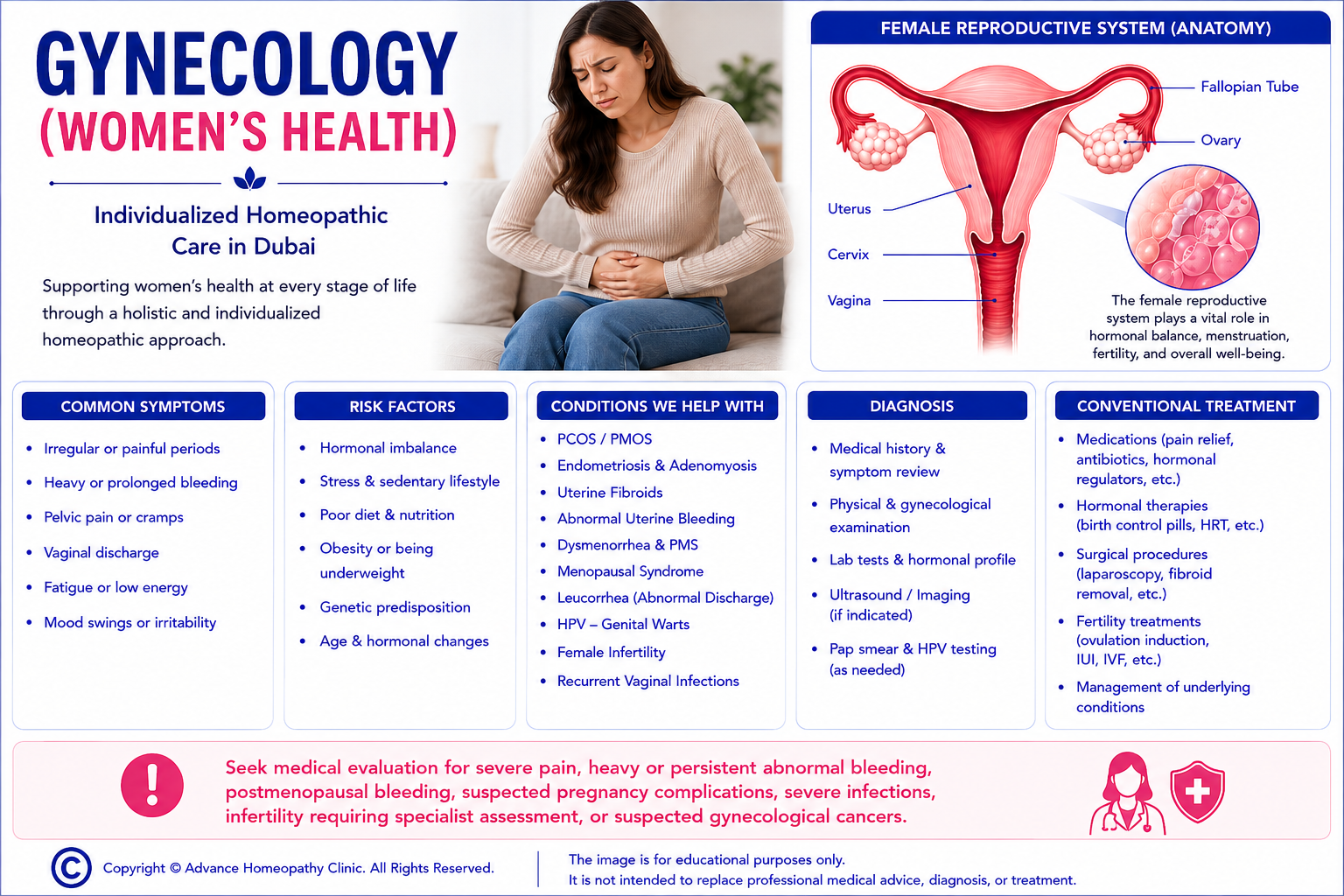
Gynecology (Women's Health): Individualized Homeopathic Care in Dubai
Comprehensive Homeopathic Care for Women's Health in Dubai
Women's health encompasses a wide range of conditions affecting the female reproductive system throughout different stages of life, from adolescence and the reproductive years to perimenopause and menopause. Hormonal changes, reproductive health, metabolism, genetics, lifestyle, emotional well-being, and environmental factors all play important roles in maintaining gynecological health. Disorders affecting the uterus, ovaries, cervix, vagina, and hormonal system may significantly influence menstrual health, fertility, sexual health, pregnancy planning, and overall quality of life.
Many women experience chronic gynecological conditions such as Polycystic Ovarian Syndrome (PMOS/PCOS), Dysmenorrhea, Endometriosis, Adenomyosis, Uterine Fibroids, Abnormal Uterine Bleeding, Premenstrual Syndrome (PMS), Menopausal Syndrome, recurrent Leucorrhea (abnormal vaginal discharge), Human Papillomavirus (HPV)-related Genital Warts, and Female Infertility. These conditions may present with symptoms including irregular menstrual cycles, excessive menstrual bleeding, severe menstrual pain, chronic pelvic pain, hormonal imbalance, abnormal vaginal discharge, hot flashes, mood changes, vaginal discomfort, and fertility-related concerns. While some gynecological disorders are temporary and self-limiting, others are chronic conditions that require long-term medical care and regular follow-up.
At Advance Homeopathy Clinic Dubai, we provide individualized homeopathic care for women experiencing a wide range of gynecological disorders. Homeopathy aims to support women's health by considering the individual's symptoms, hormonal profile, reproductive history, constitutional characteristics, medical history, emotional well-being, and overall health rather than focusing solely on the medical diagnosis. Every woman experiences her illness differently, and homeopathic treatment is selected according to her unique symptom pattern and individual health profile.
Homeopathy is offered as a complementary approach alongside conventional gynecological care. Our goal is to support women's overall well-being, improve quality of life, and help manage symptoms while encouraging patients to continue appropriate medical investigations, prescribed medications, fertility evaluation, lifestyle advice, cervical screening, HPV vaccination where indicated, and specialist gynecological follow-up whenever required.
How Homeopathy May Support Women's Health
Homeopathy is an individualized system of medicine in which treatment is selected according to the patient's unique symptom pattern rather than the medical diagnosis alone. Two women diagnosed with the same gynecological condition may experience very different symptoms, menstrual patterns, hormonal changes, emotional responses, and general health characteristics. For this reason, the homeopathic medicine selected for one patient may be entirely different from that prescribed for another with the same diagnosis.
During the consultation, our homeopathic physicians perform a comprehensive assessment that extends beyond the presenting gynecological complaint. We carefully evaluate the woman's menstrual history, reproductive health, hormonal symptoms, constitutional characteristics, medical history, lifestyle, emotional well-being, and associated symptoms before selecting an individualized homeopathic medicine.
Depending on the individual's clinical presentation, homeopathic treatment may be considered as a complementary approach for women experiencing:
- Irregular menstrual cycles
- Painful menstruation
- Heavy menstrual bleeding
- Chronic pelvic pain
- Premenstrual symptoms
- Hormonal imbalance
- Symptoms associated with Polycystic Ovarian Syndrome (PMOS/PCOS)
- Endometriosis-related symptoms
- Adenomyosis-related symptoms
- Symptoms associated with uterine fibroids
- Menopausal symptoms such as hot flashes and night sweats
- Recurrent abnormal vaginal discharge
- Selected symptoms associated with genital warts as part of complementary care
- Women undergoing evaluation or treatment for infertility as part of an integrated care plan
Every treatment plan is individualized according to the patient's confirmed diagnosis, symptom profile, medical investigations, conventional treatment, reproductive goals, and overall health status.
Homeopathy is offered as a complementary therapy and should not replace gynecological evaluation, hormonal therapy, fertility treatment, cervical screening, HPV vaccination where indicated, or surgical management whenever these are medically recommended.
1. Polycystic Ovarian Syndrome (PMOS/PCOS)
What is Polycystic Ovarian Syndrome (PMOS/PCOS)?
Polycystic Ovarian Syndrome (PMOS/PCOS) is one of the most common hormonal and metabolic disorders affecting women of reproductive age. It is characterized by hormonal imbalance, irregular or absent ovulation, and varying degrees of excess androgen (male hormone) activity. Although the name suggests the presence of multiple ovarian cysts, not every woman with PMOS/PCOS has polycystic ovaries on ultrasound, and ovarian cysts alone do not confirm the diagnosis.
PMOS/PCOS is now widely recognized as a complex metabolic and endocrine condition rather than simply an ovarian disorder. Women with PMOS/PCOS may experience irregular menstrual cycles, infertility, acne, excessive facial or body hair (hirsutism), scalp hair thinning, weight gain, insulin resistance, and an increased risk of developing Type 2 Diabetes Mellitus, metabolic syndrome, fatty liver disease, and cardiovascular risk factors later in life.
The exact cause of PMOS/PCOS remains incompletely understood. Current evidence suggests that genetic predisposition, insulin resistance, hormonal dysregulation, chronic low-grade inflammation, and environmental factors all contribute to its development. Early diagnosis and appropriate long-term management can help improve symptoms, restore ovulation in many women, reduce metabolic complications, and improve reproductive health.
Modern gynecology focuses on individualized treatment according to each woman's symptoms, reproductive goals, metabolic health, and risk factors. Management may include lifestyle modification, weight management, medications to regulate menstrual cycles, treatment for insulin resistance, ovulation induction when pregnancy is desired, and regular monitoring for associated metabolic conditions. Many women also choose complementary therapies while continuing evidence-based medical care.
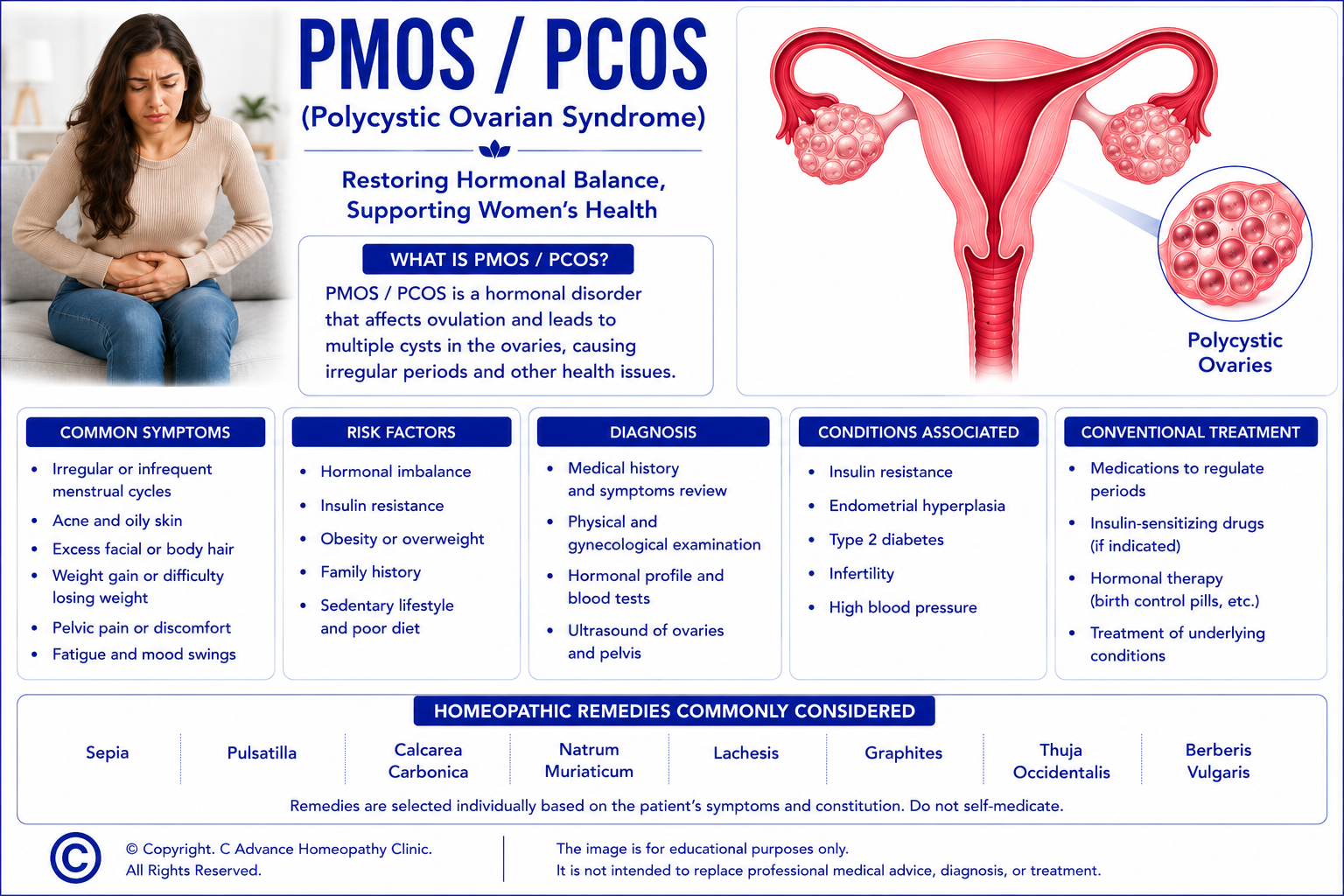
Common Signs & Symptoms of PCOS (PMOS)
- Irregular or absent menstrual periods
- Delayed or infrequent ovulation
- Difficulty conceiving due to ovulatory dysfunction
- Acne or oily skin
- Excessive facial or body hair (hirsutism)
- Thinning of scalp hair or female pattern hair loss
- Weight gain or difficulty losing weight
- Darkening of the skin in body folds (Acanthosis Nigricans), often associated with insulin resistance
- Multiple small follicles seen on ovarian ultrasound
- Elevated androgen levels on laboratory testing
Risk Factors
- Family history of PMOS/PCOS
- Insulin resistance
- Overweight or obesity
- Sedentary lifestyle
- Metabolic syndrome
- Prediabetes or Type 2 Diabetes Mellitus
- History of gestational diabetes
- Genetic predisposition
Conventional Management of PCOS (PMOS)
Treatment is individualized according to the woman's symptoms, age, reproductive goals, and associated metabolic conditions. Conventional management commonly includes:
- Weight management through healthy nutrition and regular physical activity
- Lifestyle modification
- Hormonal contraceptives for menstrual cycle regulation when pregnancy is not desired
- Medications to improve insulin resistance, such as metformin, where indicated
- Ovulation induction therapy for women planning pregnancy
- Treatment for acne and excessive hair growth when appropriate
- Fertility assessment and assisted reproductive techniques where indicated
- Screening for diabetes, high cholesterol, hypertension, and fatty liver disease
- Regular follow-up with a gynecologist or endocrinologist
Homeopathic Medicines Commonly Considered for PCOS (PMOS)
Some homeopathic medicines that experienced homeopathic physicians may consider as part of an individualized treatment plan include:
- Sepia Officinalis
- Pulsatilla Nigricans
- Calcarea Carbonica
- Lachesis Mutus
- Natrum Muriaticum
- Thuja Occidentalis
- Apis Mellifica
- Folliculinum*
Homeopathic medicines should only be prescribed by a qualified homeopathic physician after an individualized clinical evaluation.
Important: Complementary Care for Polycystic Ovarian Syndrome (PMOS/PCOS)
Polycystic Ovarian Syndrome (PMOS/PCOS) should always be evaluated by a qualified gynecologist, endocrinologist, reproductive medicine specialist, or appropriately trained healthcare professional to confirm the diagnosis, assess hormonal and metabolic abnormalities, identify associated medical conditions, evaluate reproductive goals, and develop an individualized long-term management plan. Comprehensive evaluation commonly includes clinical assessment, menstrual history, pelvic ultrasound where indicated, hormonal investigations, assessment of insulin resistance, fasting blood glucose or HbA1c, lipid profile, body mass index (BMI), blood pressure measurement, thyroid function testing where appropriate, and evaluation for other endocrine disorders that may mimic PMOS/PCOS. Regular monitoring is essential because PMOS/PCOS is associated with an increased risk of Type 2 Diabetes Mellitus, metabolic syndrome, infertility, endometrial hyperplasia, cardiovascular risk factors, and non-alcoholic fatty liver disease.
Women with PMOS/PCOS may be considered for individualized homeopathic treatment as a complementary approach following appropriate gynecological and endocrine evaluation. Homeopathy may be integrated alongside healthy dietary modification, weight management, regular physical activity, treatment of insulin resistance where indicated, menstrual cycle regulation, fertility management when pregnancy is desired, treatment of acne or hirsutism where appropriate, psychological support, and regular follow-up with their gynecologist or endocrinologist. Individualized homeopathic prescribing is based on the woman's complete clinical presentation, constitutional characteristics, hormonal profile, reproductive history, metabolic status, associated symptoms, lifestyle factors, emotional well-being, and overall health rather than the diagnosis alone.
Women should continue all recommended conventional treatment, including lifestyle modification, weight management, hormonal therapy when indicated, insulin-sensitizing medications such as metformin where appropriate, ovulation induction therapy for women planning pregnancy, fertility treatment when required, metabolic screening, and regular gynecological and endocrine follow-up. Homeopathy should not be regarded as a substitute for evidence-based management, particularly in women with significant metabolic disease, infertility requiring specialist treatment, persistent anovulation, or other complications requiring medical intervention.
Women with persistent infertility, severe insulin resistance, Type 2 Diabetes Mellitus, obesity, metabolic syndrome, persistent abnormal uterine bleeding, endometrial hyperplasia, significant androgen excess, recurrent pregnancy loss, or inadequate response to appropriate medical treatment should continue specialist gynecological, endocrine, and reproductive medicine care. Homeopathy should not replace recommended fertility treatment, hormonal therapy, metabolic management, or endometrial evaluation when these are advised by the treating specialist.
Women who develop sudden severe pelvic pain, heavy vaginal bleeding causing dizziness or fainting, severe abdominal pain, suspected ectopic pregnancy, symptoms of ovarian torsion, severe hyperglycaemia, or any sudden deterioration in their general condition should seek immediate medical attention, as these symptoms may indicate a gynecological emergency, pregnancy-related complication, ovarian pathology, or another serious medical condition requiring urgent evaluation and treatment.
2. Dysmenorrhea
What is Dysmenorrhea?
Dysmenorrhea refers to painful menstrual periods characterized by cramping pain in the lower abdomen or pelvis that occurs before or during menstruation. It is one of the most common gynecological complaints among adolescent girls and women of reproductive age and may significantly interfere with education, work, physical activity, sleep, and overall quality of life.
Dysmenorrhea is broadly classified into Primary Dysmenorrhea and Secondary Dysmenorrhea. Primary Dysmenorrhea occurs in the absence of an identifiable pelvic disease and is believed to result from increased production of prostaglandins within the uterus, leading to stronger uterine contractions and reduced blood flow during menstruation. Secondary Dysmenorrhea occurs due to an underlying gynecological condition such as Endometriosis, Adenomyosis, Uterine Fibroids, Pelvic Inflammatory Disease, or congenital abnormalities of the reproductive tract.
Many women experience additional symptoms such as lower back pain, nausea, vomiting, diarrhea, headache, fatigue, dizziness, or faintness during painful menstrual periods. Although menstrual discomfort is common, severe or progressively worsening pain should not be considered normal and warrants medical evaluation to identify any underlying cause.
Modern gynecology focuses on identifying whether menstrual pain is primary or secondary and tailoring treatment accordingly. Management may include lifestyle modification, non-steroidal anti-inflammatory drugs (NSAIDs), hormonal therapy, treatment of underlying gynecological disorders, and surgical intervention in selected cases. Many women also seek complementary therapies while continuing evidence-based medical care.

Common Signs & Symptoms of Dysmenorrhea
- Cramping pain in the lower abdomen before or during menstruation
- Pelvic pain that may radiate to the lower back or thighs
- Lower back pain
- Pain beginning shortly before or with the onset of menstrual bleeding
- Nausea or vomiting
- Diarrhea or loose stools during menstruation
- Headache
- Fatigue
- Dizziness or faintness
- Pain severe enough to interfere with school, work, or daily activities
Risk Factors for Dysmenorrhea
- Adolescence or young reproductive age
- Family history of Dysmenorrhea
- Early onset of menstruation (early menarche)
- Heavy menstrual bleeding
- Long menstrual periods
- Smoking
- Stress and psychological factors
- Endometriosis
- Adenomyosis
- Uterine Fibroids
- Pelvic inflammatory disease
Conventional Management for Dysmenorrhea
Treatment depends on whether Dysmenorrhea is primary or secondary and on the severity of symptoms. Conventional management commonly includes:
- Clinical gynecological evaluation
- Pelvic ultrasound when indicated
- Non-steroidal anti-inflammatory drugs (NSAIDs)
- Hormonal contraceptives where appropriate
- Heat therapy
- Regular physical activity
- Lifestyle modification
- Management of underlying gynecological disorders such as Endometriosis or Adenomyosis
- Laparoscopy in selected patients when the diagnosis remains uncertain
- Regular follow-up with a gynecologist
Homeopathic Medicines Commonly Considered for Dysmenorrhea
Some homeopathic medicines that experienced homeopathic physicians may consider as part of an individualized treatment plan include:
- Magnesia Phosphorica
- Colocynthis
- Cimicifuga Racemosa (Actaea Racemosa)
- Chamomilla
- Belladonna
- Viburnum Opulus
- Pulsatilla Nigricans
- Sepia Officinalis
Homeopathic medicines should only be prescribed by a qualified homeopathic physician after an individualized clinical evaluation.
Important: Complementary Care for Dysmenorrhea
Dysmenorrhea should always be evaluated by a qualified gynecologist or appropriately trained healthcare professional to determine whether the menstrual pain represents Primary Dysmenorrhea or Secondary Dysmenorrhea, identify the underlying cause, assess symptom severity, and evaluate its impact on the woman's quality of life and reproductive health. Comprehensive evaluation commonly includes clinical assessment, detailed menstrual history, pelvic examination where appropriate, pelvic ultrasound when indicated, pregnancy testing in selected patients, and additional investigations such as Magnetic Resonance Imaging (MRI) or diagnostic laparoscopy when clinically indicated to evaluate suspected Endometriosis, Adenomyosis, Uterine Fibroids, or other pelvic disorders. Accurate diagnosis is essential because progressively worsening menstrual pain or pain beginning later in life often indicates an underlying gynecological condition requiring specific treatment.
Women with Primary Dysmenorrhea or well-controlled Secondary Dysmenorrhea may be considered for individualized homeopathic treatment as a complementary approach following appropriate gynecological evaluation. Homeopathy may be integrated alongside healthy lifestyle modification, regular physical activity, heat therapy, prescribed pain-relieving medications, hormonal therapy where indicated, management of underlying gynecological disorders, stress reduction, and regular follow-up with their gynecologist. Individualized homeopathic prescribing is based on the woman's complete clinical presentation, constitutional characteristics, menstrual pattern, associated symptoms, reproductive history, medical history, emotional well-being, and overall health rather than the diagnosis alone.
Women should continue all recommended conventional treatment, including non-steroidal anti-inflammatory drugs (NSAIDs), hormonal therapy where appropriate, pelvic imaging, evaluation for underlying gynecological disorders, laparoscopic assessment when indicated, fertility-preserving treatment where required, and regular gynecological follow-up. Homeopathy should not be regarded as a substitute for evidence-based medical management, particularly in women with severe pelvic pain, Endometriosis, Adenomyosis, Uterine Fibroids, Pelvic Inflammatory Disease, or other structural gynecological disorders.
Women with progressively worsening menstrual pain, chronic pelvic pain, infertility, severe menstrual bleeding, pain during sexual intercourse, suspected Endometriosis or Adenomyosis, persistent symptoms despite appropriate treatment, or abnormal pelvic imaging should continue specialist gynecological care and further evaluation. Homeopathy should not replace recommended imaging studies, hormonal therapy, laparoscopic evaluation, fertility treatment, or surgical management when these are advised by the treating gynecologist.
Women who develop sudden severe pelvic pain, heavy menstrual bleeding causing dizziness or fainting, severe abdominal pain with fever, suspected ectopic pregnancy, persistent vomiting due to severe pain, loss of consciousness, or any sudden deterioration in their general condition should seek immediate medical attention, as these symptoms may indicate ovarian torsion, ectopic pregnancy, severe pelvic infection, ruptured ovarian cyst, or another gynecological emergency requiring urgent medical evaluation and treatment.
3. Endometriosis
What is Endometriosis?
Endometriosis is a chronic gynecological disorder in which tissue similar to the lining of the uterus (endometrium) grows outside the uterine cavity. These endometrial-like lesions most commonly affect the ovaries, fallopian tubes, pelvic peritoneum, uterosacral ligaments, and the tissue between the uterus and rectum. In some women, endometriosis may also involve the bowel, bladder, diaphragm, or other pelvic and abdominal organs.
Like the normal lining of the uterus, these lesions respond to hormonal changes during the menstrual cycle. They may thicken, break down, and bleed during menstruation, resulting in chronic inflammation, scar tissue (adhesions), ovarian cysts known as endometriomas, and persistent pelvic pain. Endometriosis can significantly affect a woman's physical health, emotional well-being, relationships, work productivity, and fertility.
The exact cause of endometriosis remains uncertain. Current evidence suggests that genetic predisposition, retrograde menstruation, immune system dysfunction, hormonal influences, and environmental factors may all contribute to its development. The condition often follows a chronic course and may require long-term medical management.
Modern gynecology focuses on relieving pain, preserving fertility where appropriate, slowing disease progression, and improving quality of life through evidence-based treatment. Many women also choose complementary therapies while continuing conventional medical care.
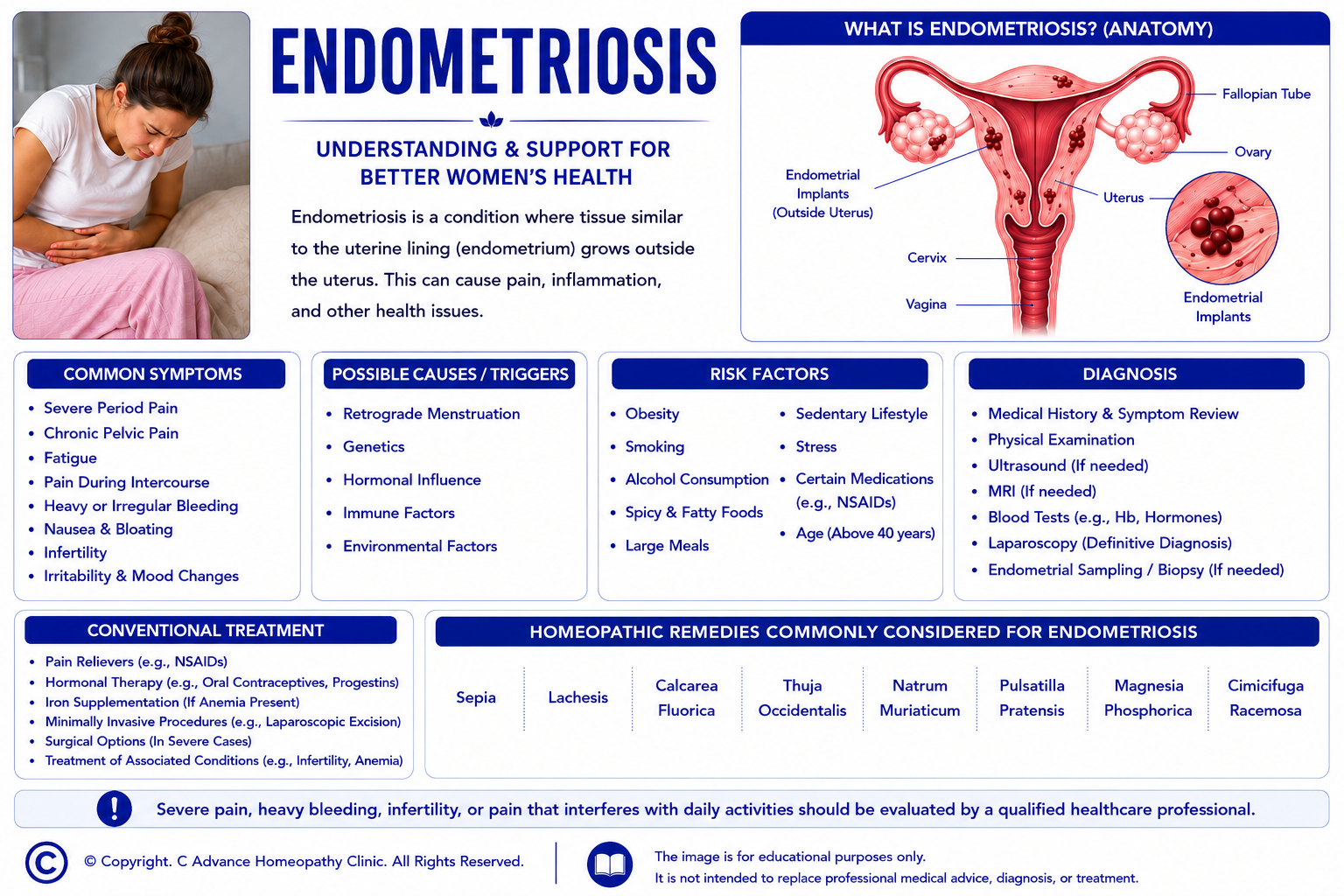
Common Signs & Symptoms of Endometriosis
Women with Endometriosis may experience one or more of the following symptoms:
- Severe painful menstrual cramps (secondary dysmenorrhea)
- Chronic pelvic pain
- Pain during or after sexual intercourse (dyspareunia)
- Pain during bowel movements, particularly during menstruation (dyschezia)
- Pain during urination during menstruation (dysuria)
- Heavy or prolonged menstrual bleeding
- Irregular menstrual bleeding
- Difficulty conceiving or infertility
- Lower back pain during menstruation
- Abdominal bloating ("Endo belly")
- Fatigue
- Constipation, diarrhea, or other bowel symptoms that worsen during menstruation
Risk Factors for Endometriosis
Several factors may increase the likelihood of developing Endometriosis, including:
- Family history of Endometriosis
- Early onset of menstruation (early menarche)
- Short menstrual cycles
- Heavy or prolonged menstrual bleeding
- Delayed childbirth or never having been pregnant (nulliparity)
- Congenital abnormalities affecting menstrual flow
- Genetic susceptibility
- Higher lifetime exposure to estrogen
Conventional Management of Endometriosis
Treatment is individualized according to the severity of symptoms, extent of disease, age, fertility goals, and response to previous treatment. Conventional management commonly includes:
- Comprehensive gynecological evaluation
- Pelvic ultrasound
- Magnetic Resonance Imaging (MRI) where indicated
- Diagnostic and therapeutic laparoscopy when appropriate
- Non-steroidal anti-inflammatory drugs (NSAIDs)
- Hormonal therapy
- Gonadotropin-Releasing Hormone (GnRH) agonists or antagonists in selected patients
- Fertility evaluation and assisted reproductive techniques where appropriate
- Laparoscopic excision or ablation of endometriosis lesions
- Regular follow-up with a gynecologist
Homeopathic Medicines Commonly Considered for Endometriosis
Some homeopathic medicines that experienced homeopathic physicians may consider as part of an individualized treatment plan include:
- Sepia Officinalis
- Lachesis Mutus
- Cimicifuga Racemosa
- Magnesia Phosphorica
- Colocynthis
- Belladonna
- Platina
- Helonias Dioica
Homeopathic medicines should only be prescribed by a qualified homeopathic physician after an individualized clinical evaluation.
Important: Complementary Care for Endometriosis
Endometriosis should always be evaluated by a qualified gynecologist, reproductive medicine specialist, or appropriately trained healthcare professional to confirm the diagnosis, assess the extent and severity of disease, identify associated pelvic pathology, evaluate fertility goals, and develop an individualized long-term management plan. Comprehensive evaluation commonly includes clinical assessment, detailed menstrual and reproductive history, pelvic examination where appropriate, pelvic ultrasound, Magnetic Resonance Imaging (MRI) in selected patients, and diagnostic laparoscopy with histopathological confirmation when clinically indicated. Accurate diagnosis is essential because Endometriosis frequently mimics other gastrointestinal, urinary, and gynecological disorders, and delayed diagnosis may contribute to chronic pain, infertility, and progressive pelvic disease.
Women with Endometriosis experiencing stable symptoms or receiving ongoing conventional treatment may be considered for individualized homeopathic treatment as a complementary approach following appropriate gynecological evaluation. Homeopathy may be integrated alongside prescribed pain management, hormonal therapy, fertility planning, nutritional counselling, regular physical activity, psychological support where appropriate, lifestyle modification, and regular follow-up with their gynecologist or reproductive medicine specialist. Individualized homeopathic prescribing is based on the woman's complete clinical presentation, constitutional characteristics, pain pattern, menstrual history, reproductive goals, associated symptoms, medical history, emotional well-being, and overall health rather than the diagnosis alone.
Women should continue all recommended conventional treatment, including non-steroidal anti-inflammatory drugs (NSAIDs), hormonal therapy, Gonadotropin-Releasing Hormone (GnRH) agonists or antagonists where indicated, laparoscopic excision or ablation of endometriotic lesions, fertility evaluation, assisted reproductive techniques when appropriate, and regular gynecological follow-up. Homeopathy should not be regarded as a substitute for evidence-based management, particularly in women with moderate to severe Endometriosis, infertility, ovarian endometriomas, bowel or urinary tract involvement, or significant pelvic adhesions.
Women with persistent or severe pelvic pain, infertility, ovarian endometriomas, deep infiltrating Endometriosis, bowel or bladder involvement, recurrent disease following surgery, progressive symptoms despite appropriate treatment, or abnormal imaging findings should continue specialist gynecological and reproductive medicine care. Homeopathy should not replace recommended hormonal therapy, laparoscopic surgery, fertility treatment, or multidisciplinary management when these are advised by the treating specialist.
Women who develop sudden severe pelvic pain, severe abdominal pain with vomiting, heavy vaginal bleeding causing dizziness or fainting, high fever, suspected ectopic pregnancy, symptoms of ovarian torsion, severe bowel obstruction symptoms, inability to pass urine, or any sudden deterioration in their general condition should seek immediate medical attention, as these symptoms may indicate ovarian torsion, ruptured endometrioma, ectopic pregnancy, bowel obstruction, severe pelvic infection, or another gynecological emergency requiring urgent medical evaluation and treatment.
4. Adenomyosis
What is Adenomyosis?
Adenomyosis is a chronic gynecological condition in which the tissue that normally lines the inside of the uterus (endometrium) grows into the muscular wall of the uterus (myometrium). This misplaced tissue continues to respond to hormonal changes during the menstrual cycle, resulting in repeated bleeding within the uterine muscle, chronic inflammation, enlargement of the uterus, and painful menstrual periods.
Adenomyosis most commonly affects women between 35 and 50 years of age, although it may also occur in younger women. The condition frequently coexists with other gynecological disorders such as Endometriosis and Uterine Fibroids, making diagnosis and management more challenging.
Women with Adenomyosis often experience heavy menstrual bleeding, severe menstrual cramps, chronic pelvic pain, prolonged menstrual periods, and pressure symptoms due to an enlarged uterus. These symptoms can significantly interfere with daily activities, work productivity, emotional well-being, and overall quality of life.
The exact cause of Adenomyosis remains uncertain. Several theories have been proposed, including direct invasion of endometrial tissue into the uterine muscle, previous uterine surgery, chronic inflammation, hormonal influences, and genetic factors. Diagnosis is based on clinical evaluation together with imaging studies such as pelvic ultrasound and Magnetic Resonance Imaging (MRI), although definitive diagnosis is sometimes confirmed following histopathological examination after hysterectomy.
Modern gynecology focuses on relieving symptoms, reducing heavy menstrual bleeding, preserving fertility when appropriate, and improving quality of life. Treatment is individualized and may include medications, hormonal therapy, minimally invasive procedures, or surgery depending on the severity of symptoms and the patient's reproductive goals. Many women also explore complementary therapies while continuing evidence-based medical care.

Common Signs & Symptoms of Adenomyosis
Women with Adenomyosis may experience one or more of the following symptoms:
- Heavy or prolonged menstrual bleeding
- Severe painful menstrual cramps (secondary dysmenorrhea)
- Chronic pelvic pain
- Enlarged or tender uterus
- Pelvic pressure or a feeling of fullness
- Pain during sexual intercourse (dyspareunia)
- Passage of blood clots during menstruation
- Lower back pain during menstrual periods
- Fatigue due to excessive menstrual blood loss
- Iron deficiency anemia resulting from chronic heavy bleeding
Risk Factors for Adenomyosis
Several factors may increase the likelihood of developing Adenomyosis, including:
- Women between 35 and 50 years of age
- Previous childbirth
- Previous uterine surgery, including cesarean section or dilation and curettage (D&C)
- Prolonged exposure to estrogen
- Coexisting Endometriosis
- Uterine Fibroids
- Genetic susceptibility
Conventional Management of Adenomyosis
Treatment is individualized according to symptom severity, age, fertility goals, and the extent of disease. Conventional management commonly includes:
- Comprehensive gynecological evaluation
- Pelvic ultrasound
- Magnetic Resonance Imaging (MRI) where indicated
- Blood tests to evaluate anemia when appropriate
- Non-steroidal anti-inflammatory drugs (NSAIDs)
- Hormonal therapy
- Levonorgestrel-releasing intrauterine system (LNG-IUS) in selected patients
- Uterine artery embolization for selected women
- Adenomyomectomy in carefully selected cases
- Hysterectomy for women with severe symptoms who have completed childbearing
- Regular follow-up with a gynecologist
Homeopathic Medicines Commonly Considered for Adenomyosis
Some homeopathic medicines that experienced homeopathic physicians may consider as part of an individualized treatment plan include:
- Sepia Officinalis
- Lachesis Mutus
- Belladonna
- Cimicifuga Racemosa
- Sabina
- Calcarea Carbonica
- Platina
- Trillium Pendulum
Homeopathic medicines should only be prescribed by a qualified homeopathic physician after an individualized clinical evaluation.
Important: Complementary Care for Adenomyosis
Adenomyosis should always be evaluated by a qualified gynecologist or appropriately trained healthcare professional to confirm the diagnosis, assess the severity and extent of uterine involvement, evaluate the cause of heavy menstrual bleeding and pelvic pain, identify coexisting gynecological conditions such as Endometriosis or Uterine Fibroids, assess reproductive goals, and develop an individualized long-term management plan. Comprehensive evaluation commonly includes clinical assessment, detailed menstrual and reproductive history, pelvic examination where appropriate, transvaginal pelvic ultrasound, Magnetic Resonance Imaging (MRI) in selected patients, complete blood count to evaluate anaemia, and additional investigations based on the woman's clinical presentation. Accurate diagnosis is essential because Adenomyosis often shares symptoms with Endometriosis, Uterine Fibroids, Abnormal Uterine Bleeding, and other pelvic disorders.
Women with mild to moderate Adenomyosis or stable symptoms may be considered for individualized homeopathic treatment as a complementary approach following appropriate gynecological evaluation. Homeopathy may be integrated alongside prescribed pain management, hormonal therapy, treatment of heavy menstrual bleeding, correction of iron deficiency where appropriate, nutritional counselling, regular physical activity, fertility planning when pregnancy is desired, psychological support, and regular follow-up with their gynecologist. Individualized homeopathic prescribing is based on the woman's complete clinical presentation, constitutional characteristics, menstrual pattern, pain characteristics, reproductive history, associated symptoms, medical history, emotional well-being, and overall health rather than the diagnosis alone.
Women should continue all recommended conventional treatment, including non-steroidal anti-inflammatory drugs (NSAIDs), hormonal therapy, levonorgestrel-releasing intrauterine system (LNG-IUS) where appropriate, treatment of iron-deficiency anaemia, uterine-sparing procedures in selected women, fertility management when indicated, and hysterectomy for women with severe symptoms who have completed childbearing when clinically appropriate. Homeopathy should not be regarded as a substitute for evidence-based gynecological management, particularly in women with severe menstrual bleeding, significant anaemia, debilitating pelvic pain, infertility, or advanced disease requiring medical or surgical intervention.
Women with persistent heavy menstrual bleeding, severe anaemia, progressively worsening pelvic pain, infertility, markedly enlarged uterus, coexisting Endometriosis or Fibroids, persistent symptoms despite appropriate treatment, or abnormal imaging findings should continue specialist gynecological care and regular monitoring. Homeopathy should not replace recommended hormonal therapy, imaging studies, fertility treatment, uterine-sparing procedures, or surgical management when these are advised by the treating gynecologist.
Women who develop heavy vaginal bleeding causing dizziness or fainting, sudden severe pelvic pain, severe abdominal pain with fever, persistent vomiting, symptoms of ectopic pregnancy, rapidly worsening anaemia, loss of consciousness, or any sudden deterioration in their general condition should seek immediate medical attention, as these symptoms may indicate severe uterine bleeding, acute gynecological pathology, ovarian torsion, ectopic pregnancy, severe pelvic infection, or another gynecological emergency requiring urgent medical evaluation and treatment.
5. Uterine Fibroids (Leiomyoma)
What are Uterine Fibroids (Leiomyomas)?
Uterine Fibroids, also known as Leiomyomas or Myomas, are benign (non-cancerous) tumors that develop from the smooth muscle cells of the uterus. They are the most common benign tumors affecting women of reproductive age. Fibroids may occur as a single growth or as multiple tumors and can vary considerably in size, ranging from a few millimeters to large masses that enlarge the uterus.
Depending on their location, fibroids are classified as intramural (within the muscular wall of the uterus), submucosal (projecting into the uterine cavity), subserosal (growing on the outer surface of the uterus), or pedunculated (attached by a stalk). The size, number, and location of fibroids determine the type and severity of symptoms experienced by each woman.
Many women with Uterine Fibroids have no symptoms and the condition is discovered incidentally during a routine gynecological examination or pelvic ultrasound. However, larger or multiple fibroids may cause heavy menstrual bleeding, pelvic pressure, painful menstruation, frequent urination, constipation, back pain, and reproductive problems, including infertility or recurrent pregnancy loss in selected cases.
The exact cause of Uterine Fibroids remains unknown. Their development is influenced by hormonal factors, particularly estrogen and progesterone, genetic predisposition, and various growth factors. Fibroids often increase in size during the reproductive years and tend to shrink naturally after menopause due to declining hormone levels.
Modern gynecology aims to control symptoms, improve quality of life, preserve fertility whenever possible, and prevent complications. Treatment is individualized according to the woman's age, symptoms, fibroid size and location, desire for future pregnancy, and overall health. Many women also choose complementary therapies alongside conventional medical care.
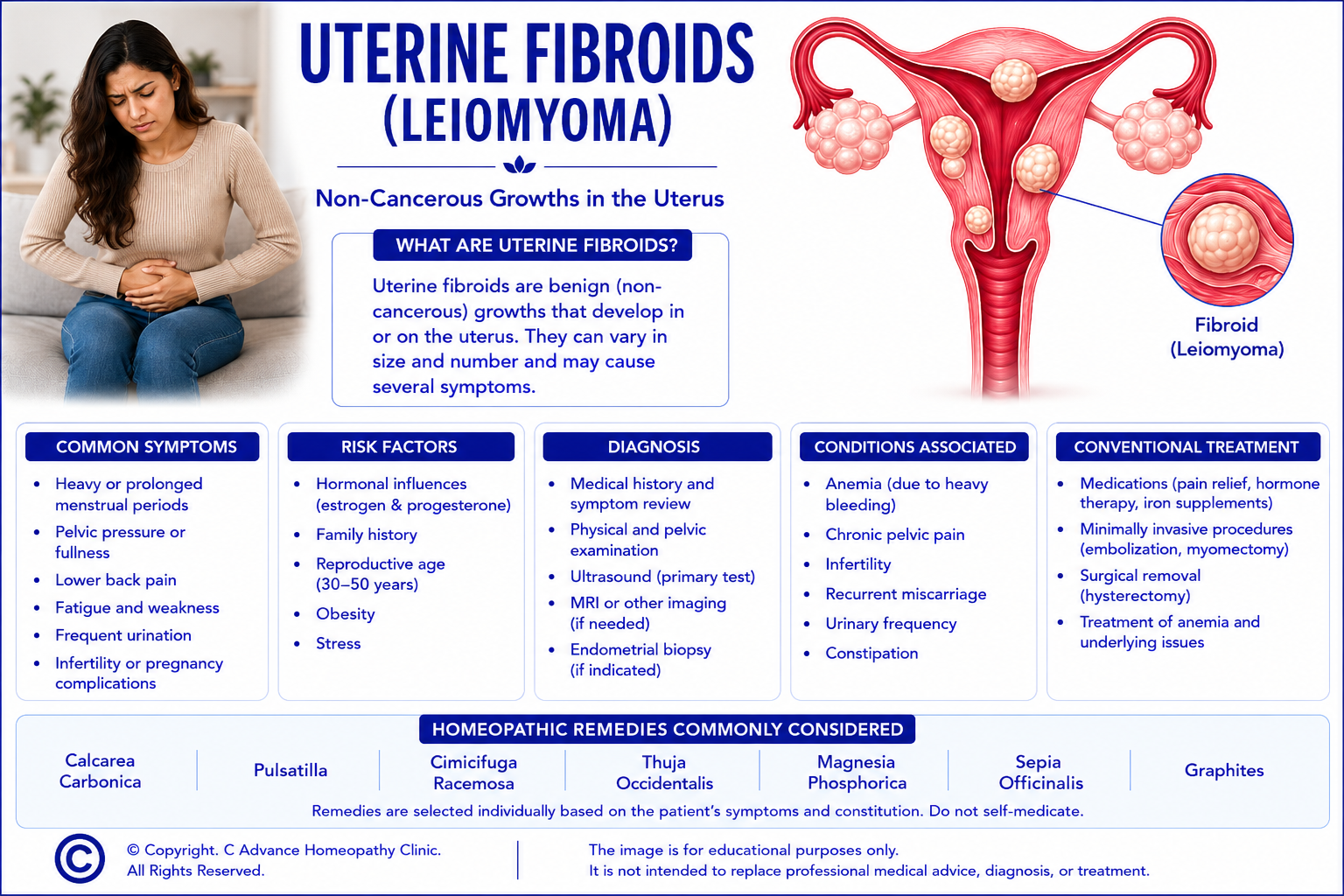
Common Signs & Symptoms of Uterine Fibroids (Leiomyoma)
Women with Uterine Fibroids may experience one or more of the following symptoms:
- Heavy or prolonged menstrual bleeding
- Painful menstrual periods (dysmenorrhea)
- Pelvic pain or pelvic pressure
- A feeling of fullness or heaviness in the lower abdomen
- Frequent urination due to pressure on the bladder
- Difficulty emptying the bladder completely
- Constipation due to pressure on the bowel
- Lower back pain
- Pain during sexual intercourse (dyspareunia)
- Enlarged abdomen or abdominal swelling
- Iron deficiency anemia caused by chronic heavy menstrual bleeding
- Difficulty conceiving or recurrent pregnancy loss in selected cases
Risk Factors for Uterine Fibroids (Leiomyoma)
Several factors may increase the likelihood of developing Uterine Fibroids, including:
- Women of reproductive age
- Family history of Uterine Fibroids
- African ancestry
- Early onset of menstruation (early menarche)
- Hormonal influences, particularly estrogen and progesterone
- Obesity or overweight
- Vitamin D deficiency
- High blood pressure (hypertension)
- Delayed pregnancy or nulliparity
Conventional Management of Uterine Fibroids (Leiomyoma)
Treatment depends on the size, number, location, severity of symptoms, and future fertility plans. Conventional management commonly includes:
- Comprehensive gynecological evaluation
- Pelvic examination
- Pelvic ultrasound
- Magnetic Resonance Imaging (MRI) when indicated
- Blood tests to assess anemia
- Non-steroidal anti-inflammatory drugs (NSAIDs) for pain relief
- Hormonal medications to control heavy menstrual bleeding
- Gonadotropin-Releasing Hormone (GnRH) agonists or antagonists in selected patients
- Tranexamic acid for heavy menstrual bleeding in selected women
- Uterine artery embolization (UAE)
- Myomectomy for women wishing to preserve fertility
- Hysterectomy for women with severe symptoms who have completed childbearing
- Regular follow-up with a gynecologist
Homeopathic Medicines Commonly Considered for Uterine Fibroids (Leiomyoma)
Some homeopathic medicines that experienced homeopathic physicians may consider as part of an individualized treatment plan include:
- Calcarea Carbonica
- Sepia Officinalis
- Thuja Occidentalis
- Lachesis Mutus
- Sabina
- Fraxinus Americana
- Trillium Pendulum
- Aurum Muriaticum Natronatum
Homeopathic medicines should only be prescribed by a qualified homeopathic physician after an individualized clinical evaluation.
Important: Complementary Care for Uterine Fibroids
Uterine Fibroids should always be evaluated by a qualified gynecologist or appropriately trained healthcare professional to confirm the diagnosis, determine the size, number, and location of the fibroids, assess symptom severity, evaluate reproductive goals, identify associated complications, and develop an individualized management plan. Comprehensive evaluation commonly includes clinical assessment, detailed menstrual and reproductive history, pelvic examination where appropriate, transvaginal or pelvic ultrasound, Magnetic Resonance Imaging (MRI) in selected patients, complete blood count to evaluate iron-deficiency anaemia, and additional investigations based on the woman's clinical presentation. Accurate diagnosis is essential because fibroids may coexist with Adenomyosis, Endometriosis, Endometrial Polyps, or other uterine disorders, and treatment depends largely on the woman's symptoms and fertility plans.
Women with small, asymptomatic, or stable Uterine Fibroids, or those receiving ongoing conventional treatment, may be considered for individualized homeopathic treatment as a complementary approach following appropriate gynecological evaluation. Homeopathy may be integrated alongside regular monitoring, treatment of heavy menstrual bleeding, correction of iron deficiency where appropriate, hormonal therapy when indicated, nutritional counselling, healthy lifestyle modification, fertility planning when pregnancy is desired, psychological support, and regular follow-up with their gynecologist. Individualized homeopathic prescribing is based on the woman's complete clinical presentation, constitutional characteristics, menstrual history, reproductive goals, associated symptoms, medical history, emotional well-being, and overall health rather than the diagnosis alone.
Women should continue all recommended conventional treatment, including observation with periodic imaging for stable fibroids, medical therapy to control heavy menstrual bleeding, hormonal treatment where appropriate, Gonadotropin-Releasing Hormone (GnRH) agonists or antagonists in selected patients, uterine artery embolization, MRI-guided focused ultrasound where available, myomectomy for women wishing to preserve fertility, hysterectomy when clinically indicated, and regular gynecological follow-up. Homeopathy should not be regarded as a substitute for evidence-based gynecological management, particularly in women with large fibroids, severe symptoms, infertility, recurrent pregnancy loss, rapidly enlarging fibroids, or complications requiring procedural or surgical treatment.
Women with persistent heavy menstrual bleeding, severe iron-deficiency anaemia, rapidly enlarging fibroids, infertility, recurrent miscarriage, significant pressure symptoms affecting the bladder or bowel, recurrent pain, persistent symptoms despite appropriate treatment, or abnormal imaging findings should continue specialist gynecological care and regular monitoring. Homeopathy should not replace recommended imaging studies, hormonal therapy, fertility-preserving procedures, uterine artery embolization, myomectomy, or hysterectomy when these are advised by the treating gynecologist.
Women who develop heavy vaginal bleeding causing dizziness or fainting, sudden severe pelvic pain, severe abdominal distension, persistent vomiting, high fever associated with pelvic pain, symptoms of ovarian torsion, rapidly enlarging abdominal swelling, or any sudden deterioration in their general condition should seek immediate medical attention, as these symptoms may indicate fibroid degeneration, severe uterine bleeding, torsion of a pedunculated fibroid, acute pelvic pathology, or another gynecological emergency requiring urgent medical evaluation and treatment.
6. Abnormal Uterine Bleeding (AUB)
What is Abnormal Uterine Bleeding (AUB)?
Abnormal Uterine Bleeding (AUB) refers to any menstrual bleeding that differs from the normal menstrual pattern in terms of frequency, regularity, duration, or amount of blood loss. Women may experience excessively heavy periods, prolonged bleeding, bleeding between menstrual periods, frequent or infrequent menstrual cycles, or bleeding after menopause. AUB is a symptom rather than a disease and may result from a wide range of gynecological or systemic conditions.
The causes of Abnormal Uterine Bleeding vary according to age and underlying health conditions. Common causes include hormonal imbalances leading to ovulatory dysfunction, Polycystic Ovarian Syndrome (PCOS/PMOS), uterine fibroids, adenomyosis, endometrial polyps, endometriosis, pregnancy-related conditions, thyroid disorders, bleeding disorders, certain medications, and, less commonly, precancerous or cancerous changes of the uterus or cervix.
Accurate diagnosis is essential because treatment depends on identifying the underlying cause. Evaluation usually includes a detailed medical history, physical examination, pelvic ultrasound, laboratory investigations, and additional diagnostic procedures when indicated. Prompt medical assessment is particularly important for women with severe bleeding, postmenopausal bleeding, anemia, or persistent abnormal bleeding.
Modern gynecology aims to identify the underlying cause, control bleeding, prevent complications such as iron deficiency anemia, preserve fertility whenever appropriate, and improve a woman's overall quality of life. Many women also seek complementary therapies alongside conventional medical treatment.
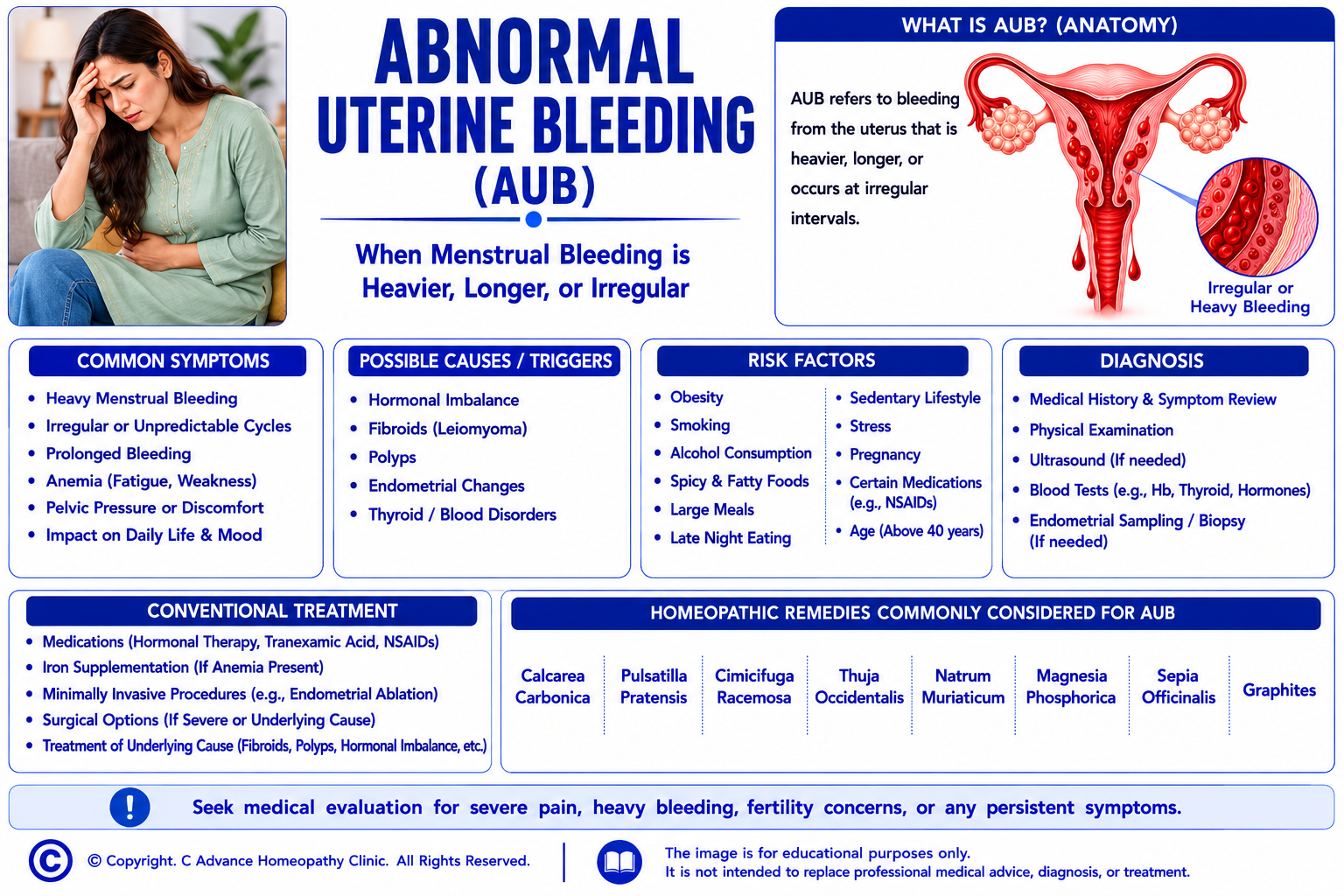
Common Signs & Symptoms of Abnormal Uterine Bleeding (AUB)
Women with Abnormal Uterine Bleeding may experience one or more of the following symptoms:
- Heavy menstrual bleeding (menorrhagia)
- Prolonged menstrual periods lasting more than seven days
- Bleeding between menstrual periods (intermenstrual bleeding)
- Irregular menstrual cycles
- Frequent menstrual periods occurring at short intervals
- Infrequent or absent menstrual periods due to ovulatory dysfunction
- Passage of large blood clots during menstruation
- Bleeding after sexual intercourse (postcoital bleeding)
- Bleeding after menopause
- Fatigue, dizziness, or weakness due to excessive blood loss
- Iron deficiency anemia resulting from chronic heavy bleeding
Risk Factors for Abnormal Uterine Bleeding (AUB)
Several factors may increase the likelihood of developing Abnormal Uterine Bleeding, including:
- Hormonal imbalance or ovulatory dysfunction
- Polycystic Ovarian Syndrome (PCOS/PMOS)
- Uterine Fibroids or Adenomyosis
- Endometrial polyps
- Thyroid disorders
- Bleeding or clotting disorders
- Obesity
- Perimenopause
- Certain medications, including anticoagulants and hormonal therapies
- Pregnancy-related complications
- Endometrial hyperplasia or gynecological malignancy
Conventional Management of Abnormal Uterine Bleeding (AUB)
Treatment depends on the underlying cause, severity of bleeding, the woman's age, reproductive goals, and overall health. Conventional management commonly includes:
- Comprehensive gynecological evaluation
- Pelvic examination
- Pregnancy test where appropriate
- Blood tests, including complete blood count (CBC) and iron studies
- Thyroid function tests and hormonal evaluation when indicated
- Pelvic ultrasound
- Endometrial biopsy when clinically indicated
- Hysteroscopy for selected patients
- Iron supplementation for iron deficiency anemia
- Non-steroidal anti-inflammatory drugs (NSAIDs) for selected women
- Hormonal therapy
- Tranexamic acid to reduce heavy menstrual bleeding in selected patients
- Surgical procedures, such as hysteroscopic polypectomy, myomectomy, endometrial ablation, or hysterectomy, when indicated
- Regular follow-up with a gynecologist
Homeopathic Medicines Commonly Considered for Abnormal Uterine Bleeding (AUB)
Some homeopathic medicines that experienced homeopathic physicians may consider as part of an individualized treatment plan include:
- Sabina
- Trillium Pendulum
- Millefolium
- Ipecacuanha
- Calcarea Carbonica
- Lachesis Mutus
- Sepia Officinalis
- China Officinalis
Homeopathic medicines should only be prescribed by a qualified homeopathic physician after an individualized clinical evaluation.
Important: Complementary Care for Abnormal Uterine Bleeding (AUB)
Abnormal Uterine Bleeding (AUB) should always be evaluated by a qualified gynecologist or appropriately trained healthcare professional to determine the underlying cause, assess the severity of bleeding, identify associated medical conditions, evaluate reproductive goals, and develop an individualized management plan. Comprehensive evaluation commonly includes clinical assessment, detailed menstrual and reproductive history, pregnancy testing where appropriate, pelvic examination, complete blood count to assess anaemia, transvaginal pelvic ultrasound, hormonal investigations when indicated, cervical screening according to current guidelines, endometrial sampling or biopsy in selected women, and hysteroscopy where clinically indicated. Accurate diagnosis is essential because abnormal uterine bleeding may result from pregnancy-related complications, ovulatory dysfunction, Uterine Fibroids, Adenomyosis, Endometrial Polyps, coagulation disorders, endometrial hyperplasia, or endometrial cancer, each requiring different management.
Women with mild or stable Abnormal Uterine Bleeding following appropriate medical evaluation may be considered for individualized homeopathic treatment as a complementary approach. Homeopathy may be integrated alongside treatment of the underlying cause, correction of iron deficiency and anaemia where appropriate, hormonal therapy when indicated, nutritional counselling, healthy lifestyle modification, fertility planning when pregnancy is desired, psychological support where appropriate, and regular follow-up with their gynecologist. Individualized homeopathic prescribing is based on the woman's complete clinical presentation, constitutional characteristics, menstrual pattern, reproductive history, associated symptoms, medical history, lifestyle factors, emotional well-being, and overall health rather than the diagnosis alone.
Women should continue all recommended conventional treatment, including hormonal therapy where indicated, iron supplementation, treatment of the underlying gynecological condition, hysteroscopic management of endometrial polyps or submucosal fibroids when appropriate, endometrial ablation in selected women, fertility-preserving treatment where indicated, and hysterectomy for carefully selected patients with severe disease who have completed childbearing. Homeopathy should not be regarded as a substitute for evidence-based gynecological management, particularly in women with severe bleeding, significant anaemia, suspected malignancy, pregnancy-related bleeding, or other conditions requiring urgent medical or surgical intervention.
Women with persistent heavy menstrual bleeding, severe iron-deficiency anaemia, bleeding after menopause, intermenstrual bleeding, bleeding after sexual intercourse, persistent abnormal bleeding despite appropriate treatment, abnormal endometrial biopsy, suspected endometrial hyperplasia or malignancy, infertility, or recurrent pregnancy loss should continue specialist gynecological care and regular monitoring. Homeopathy should not replace recommended imaging studies, endometrial biopsy, hysteroscopy, hormonal therapy, fertility treatment, or surgical intervention when these are advised by the treating gynecologist.
Women who develop heavy vaginal bleeding causing dizziness, fainting, or symptoms of shock, severe pelvic pain, bleeding during pregnancy, persistent bleeding following miscarriage or childbirth, severe abdominal pain, high fever associated with bleeding, passage of large blood clots with ongoing heavy bleeding, or any sudden deterioration in their general condition should seek immediate medical attention, as these symptoms may indicate ectopic pregnancy, miscarriage, severe uterine haemorrhage, pregnancy-related complications, endometrial pathology, or another gynecological emergency requiring urgent medical evaluation and treatment.
7. Premenstrual Syndrome (PMS)
What is Premenstrual Syndrome (PMS)?
Premenstrual Syndrome (PMS) is a common condition characterized by a combination of physical, emotional, behavioral, and psychological symptoms that occur during the luteal phase of the menstrual cycle, typically one to two weeks before menstruation begins. These symptoms usually improve or disappear within a few days after the onset of the menstrual period.
The exact cause of Premenstrual Syndrome is not fully understood. It is believed to result from the normal hormonal fluctuations that occur during the menstrual cycle, particularly changes in estrogen and progesterone levels, along with alterations in neurotransmitters such as serotonin. Genetic predisposition, lifestyle factors, stress, poor sleep, and nutritional deficiencies may also contribute to symptom severity.
PMS affects women differently. Some experience mild discomfort, while others have symptoms severe enough to interfere with work, family life, social activities, and emotional well-being. A more severe form, known as Premenstrual Dysphoric Disorder (PMDD), is associated with significant mood disturbances and requires specialized medical evaluation and treatment.
Diagnosis of Premenstrual Syndrome is primarily based on a detailed menstrual history and symptom diary demonstrating that symptoms consistently occur before menstruation and resolve shortly after menstrual bleeding begins. It is also important to exclude other medical or psychological conditions that may produce similar symptoms.
Modern gynecology focuses on relieving symptoms through lifestyle modification, nutritional support, stress management, medications when indicated, and individualized care to improve a woman's quality of life. Many women also seek complementary therapies alongside conventional medical treatment.

Common Signs & Symptoms of Premenstrual Syndrome (PMS)
Women with Premenstrual Syndrome may experience one or more of the following symptoms:
- Mood swings
- Irritability
- Anxiety or nervousness
- Low mood or depression
- Increased emotional sensitivity or frequent crying
- Fatigue or reduced energy levels
- Difficulty concentrating
- Sleep disturbances
- Breast tenderness or breast swelling
- Abdominal bloating
- Headache or migraine
- Food cravings or increased appetite
- Acne flare-ups before menstruation
- Weight gain due to fluid retention
- Constipation or diarrhea
- Muscle aches or joint pain
Risk Factors for Premenstrual Syndrome (PMS)
Several factors may increase the likelihood of developing Premenstrual Syndrome, including:
- Women of reproductive age
- Personal or family history of PMS or PMDD
- Previous history of depression or anxiety disorders
- Chronic stress
- Poor sleep quality
- Sedentary lifestyle
- Obesity
- Smoking
- Excessive caffeine or alcohol consumption
- Hormonal fluctuations during the menstrual cycle
Conventional Management of Premenstrual Syndrome (PMS)
Treatment depends on the severity of symptoms and their impact on daily life. Conventional management commonly includes:
- Comprehensive gynecological evaluation
- Symptom diary to correlate symptoms with the menstrual cycle
- Lifestyle modification, including regular exercise and adequate sleep
- Stress management and relaxation techniques
- Balanced nutrition and dietary modifications
- Calcium and vitamin B6 supplementation where appropriate
- Non-steroidal anti-inflammatory drugs (NSAIDs) for pain relief
- Hormonal contraceptives in selected women
- Selective Serotonin Reuptake Inhibitors (SSRIs) for moderate to severe PMS or PMDD
- Psychological counseling or cognitive behavioral therapy (CBT) when indicated
- Regular follow-up with a gynecologist
Homeopathic Medicines Commonly Considered for Premenstrual Syndrome (PMS)
Some homeopathic medicines that experienced homeopathic physicians may consider as part of an individualized treatment plan include:
- Sepia Officinalis
- Pulsatilla Nigricans
- Lachesis Mutus
- Natrum Muriaticum
- Ignatia Amara
- Cimicifuga Racemosa
- Calcarea Carbonica
- Lilium Tigrinum
Homeopathic medicines should only be prescribed by a qualified homeopathic physician after an individualized clinical evaluation.
Important: Complementary Care for Premenstrual Syndrome (PMS)
Premenstrual Syndrome (PMS) should always be evaluated by a qualified gynecologist, primary care physician, psychiatrist where appropriate, or another appropriately trained healthcare professional to confirm the diagnosis, assess symptom severity, exclude other medical or psychiatric conditions, evaluate the impact on daily functioning, and develop an individualized management plan. Comprehensive evaluation commonly includes clinical assessment, detailed menstrual history, symptom diary over at least two menstrual cycles where appropriate, assessment of psychological symptoms, screening for thyroid disorders and other endocrine abnormalities when indicated, and additional investigations based on the woman's clinical presentation. Accurate diagnosis is important because depression, anxiety disorders, thyroid disease, chronic fatigue syndrome, anaemia, and other medical conditions may produce symptoms similar to PMS.
Women with Premenstrual Syndrome (PMS) may be considered for individualized homeopathic treatment as a complementary approach following appropriate medical evaluation. Homeopathy may be integrated alongside healthy lifestyle modification, regular physical activity, stress management, adequate sleep, nutritional counselling, psychological support where appropriate, prescribed medications, hormonal therapy when indicated, and regular follow-up with their treating physician. Individualized homeopathic prescribing is based on the woman's complete clinical presentation, constitutional characteristics, menstrual pattern, emotional and physical symptoms, reproductive history, medical history, lifestyle factors, and overall health rather than the diagnosis alone.
Women should continue all recommended conventional treatment, including lifestyle modification, cognitive behavioural therapy where appropriate, selective serotonin reuptake inhibitors (SSRIs) for moderate to severe PMS or Premenstrual Dysphoric Disorder (PMDD), hormonal therapy when indicated, nutritional support where appropriate, and regular gynecological or psychiatric follow-up depending on symptom severity. Homeopathy should not be regarded as a substitute for evidence-based medical or mental health care, particularly in women with PMDD, severe depression, anxiety disorders, or significant impairment in daily functioning.
Women with Premenstrual Dysphoric Disorder (PMDD), persistent depression or anxiety, suicidal thoughts, severe mood disturbance, marked impairment of work or family life, persistent symptoms despite appropriate treatment, or uncertainty regarding the diagnosis should continue specialist gynecological and mental health care. Homeopathy should not replace recommended psychiatric assessment, psychological therapy, hormonal treatment, or pharmacological management when these are advised by the treating specialist.
Women who develop suicidal thoughts, thoughts of self-harm, severe depression, acute psychotic symptoms, severe panic attacks, sudden confusion, loss of consciousness, or any sudden deterioration in their mental or physical condition should seek immediate medical attention, as these symptoms may indicate a psychiatric emergency or another serious medical condition requiring urgent evaluation and treatment.
8. Menopausal Syndrome
What is Menopausal Syndrome?
Menopausal Syndrome refers to the collection of physical, emotional, and hormonal symptoms experienced by women during the transition to menopause. Menopause is diagnosed when a woman has not had a menstrual period for 12 consecutive months, marking the end of her reproductive years. The years leading up to menopause, known as perimenopause, are characterized by fluctuating hormone levels that may result in a variety of symptoms.
Menopause is a natural biological process that usually occurs between the ages of 45 and 55 years, although the age of onset may vary among women. During this transition, the ovaries gradually produce lower levels of estrogen and progesterone, leading to hormonal changes that affect multiple organ systems.
The severity and duration of menopausal symptoms differ significantly among women. Some experience only mild discomfort, while others develop symptoms that substantially affect their sleep, emotional well-being, sexual health, work performance, and overall quality of life. Long-term estrogen deficiency is also associated with an increased risk of osteoporosis, cardiovascular disease, and urogenital atrophy.
Diagnosis of Menopausal Syndrome is primarily based on a woman's age, menstrual history, symptoms, and clinical evaluation. Hormonal investigations may be performed in selected women when the diagnosis is uncertain or when menopause occurs prematurely.
Modern gynecology focuses on relieving menopausal symptoms, maintaining bone and cardiovascular health, improving quality of life, and preventing long-term complications. Treatment is individualized and may include lifestyle modifications, hormone replacement therapy (HRT), non-hormonal medications, and supportive measures. Many women also seek complementary therapies alongside conventional medical care.
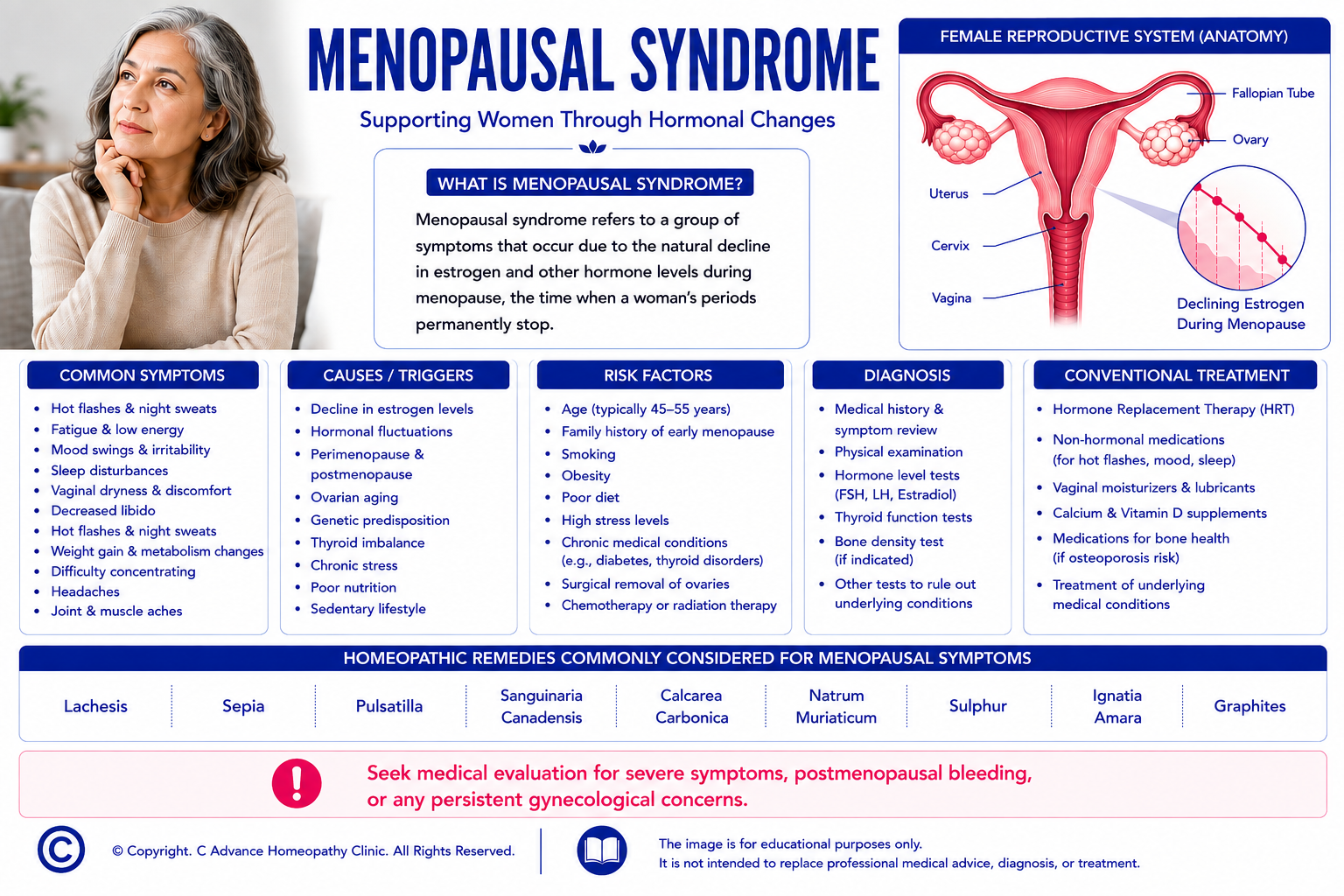
Common Signs & Symptoms of Menopausal Syndrome
Women with Menopausal Syndrome may experience one or more of the following symptoms:
- Hot flashes (hot flushes)
- Night sweats
- Irregular menstrual periods during perimenopause
- Vaginal dryness
- Pain during sexual intercourse (dyspareunia)
- Reduced sexual desire (decreased libido)
- Mood swings
- Irritability
- Anxiety
- Low mood or depression
- Sleep disturbances or insomnia
- Fatigue
- Difficulty concentrating or memory problems ("brain fog")
- Joint and muscle aches
- Dry skin and thinning hair
- Frequent urinary tract infections or urinary urgency
Risk Factors for Menopausal Syndrome
Several factors may increase the likelihood or severity of Menopausal Syndrome, including:
- Women between 45 and 55 years of age
- Family history of early menopause
- Surgical removal of the ovaries (surgical menopause)
- Chemotherapy or pelvic radiation therapy
- Smoking
- Obesity
- Chronic stress
- Sedentary lifestyle
- Premature ovarian insufficiency (POI)
Conventional Management of Menopausal Syndrome
Treatment depends on the severity of symptoms, overall health, medical history, and individual preferences. Conventional management commonly includes:
- Comprehensive gynecological evaluation
- Lifestyle modifications, including regular exercise and a balanced diet
- Smoking cessation and weight management
- Hormone Replacement Therapy (HRT) for suitable women after appropriate risk assessment
- Non-hormonal medications for vasomotor symptoms when HRT is contraindicated
- Vaginal moisturizers and lubricants for vaginal dryness
- Local vaginal estrogen therapy where appropriate
- Calcium and Vitamin D supplementation to support bone health
- Bone mineral density assessment for women at risk of osteoporosis
- Regular screening for cardiovascular risk factors
- Psychological support or counseling when indicated
- Regular follow-up with a gynecologist
Homeopathic Medicines Commonly Considered for Menopausal Syndrome
Some homeopathic medicines that experienced homeopathic physicians may consider as part of an individualized treatment plan include:
- Lachesis Mutus
- Sepia Officinalis
- Sulphur
- Sanguinaria Canadensis
- Glonoinum
- Cimicifuga Racemosa
- Pulsatilla Nigricans
- Amyl Nitrosum
Homeopathic medicines should only be prescribed by a qualified homeopathic physician after an individualized clinical evaluation.
Important: Complementary Care for Menopausal Syndrome
Menopausal Syndrome should always be evaluated by a qualified gynecologist, menopause specialist, endocrinologist, or appropriately trained healthcare professional to confirm the diagnosis, assess symptom severity, identify associated medical conditions, evaluate individual risk factors, and develop an individualized management plan. Comprehensive evaluation commonly includes clinical assessment, detailed menstrual and medical history, assessment of cardiovascular risk factors, bone health evaluation, blood pressure measurement, body mass index (BMI), breast and cervical cancer screening according to current guidelines, bone mineral density assessment where indicated, and additional investigations such as hormonal evaluation or thyroid function testing when clinically appropriate. Accurate diagnosis is essential because thyroid disorders, depression, anxiety disorders, medication-related effects, and other medical conditions may produce symptoms similar to menopause.
Women with Menopausal Syndrome may be considered for individualized homeopathic treatment as a complementary approach following appropriate gynecological evaluation. Homeopathy may be integrated alongside healthy lifestyle modification, regular weight-bearing exercise, nutritional counselling, adequate calcium and vitamin D intake where appropriate, stress management, psychological support, management of urogenital symptoms, menopausal hormone therapy when indicated, and regular follow-up with their gynecologist or primary care physician. Individualized homeopathic prescribing is based on the woman's complete clinical presentation, constitutional characteristics, menopausal symptoms, medical history, associated medical conditions, lifestyle factors, emotional well-being, and overall health rather than the diagnosis alone.
Women should continue all recommended conventional treatment, including menopausal hormone therapy (MHT) for appropriately selected women, non-hormonal therapies when indicated, osteoporosis prevention and treatment, cardiovascular risk reduction, regular breast and cervical screening, bone health monitoring, management of genitourinary syndrome of menopause (GSM), and routine gynecological follow-up. Homeopathy should not be regarded as a substitute for evidence-based menopausal care, particularly in women with osteoporosis, premature menopause, significant cardiovascular risk factors, severe vasomotor symptoms, or other medical conditions requiring specific treatment.
Women with premature ovarian insufficiency, menopause before the age of 40 years, severe osteoporosis, recurrent fractures, persistent postmenopausal bleeding, severe urogenital symptoms, significant cardiovascular disease, persistent symptoms despite appropriate treatment, or abnormal screening investigations should continue specialist gynecological and endocrine care. Homeopathy should not replace recommended menopausal hormone therapy, osteoporosis management, cancer screening, cardiovascular risk assessment, or other evidence-based interventions when these are advised by the treating specialist.
Women who develop vaginal bleeding after menopause, severe chest pain, sudden shortness of breath, symptoms suggestive of stroke, severe pelvic pain, breast lumps, loss of consciousness, or any sudden deterioration in their general condition should seek immediate medical attention, as these symptoms may indicate postmenopausal endometrial pathology, cardiovascular disease, stroke, breast cancer, or another serious medical condition requiring urgent evaluation and treatment.
9. Leucorrhea (Abnormal Vaginal Discharge)
What is Leucorrhea (Abnormal Vaginal Discharge)?
Leucorrhea refers to a vaginal discharge that may be normal (physiological) or abnormal (pathological). A small amount of clear or whitish vaginal discharge is a normal part of a woman's reproductive health and helps keep the vagina clean, lubricated, and protected against infections. The amount and consistency of normal vaginal discharge may vary during different phases of the menstrual cycle, pregnancy, and hormonal changes.
Abnormal vaginal discharge develops when there is a change in the color, consistency, quantity, odor, or when it is associated with symptoms such as itching, burning, irritation, pelvic pain, or pain during urination. Common causes include vaginal yeast (Candida) infections, bacterial vaginosis, sexually transmitted infections (STIs), cervical infections, pelvic inflammatory disease (PID), hormonal changes, allergic reactions, and, less commonly, precancerous or cancerous conditions of the cervix or reproductive tract.
The characteristics of the discharge often provide clues to its underlying cause. Thick white "cottage cheese-like" discharge may suggest a fungal infection, thin grey discharge with a fishy odor is commonly associated with bacterial vaginosis, while yellow or green discharge may indicate certain bacterial or sexually transmitted infections. However, the appearance of the discharge alone is not sufficient to establish a diagnosis, and appropriate medical evaluation is essential.
Diagnosis of Leucorrhea involves a detailed medical history, physical and gynecological examination, and laboratory investigations such as vaginal swab microscopy, culture, pH testing, or sexually transmitted infection screening when indicated.
Modern gynecology focuses on identifying and treating the underlying cause, relieving symptoms, preventing recurrence, and avoiding complications. Many women also seek complementary therapies alongside conventional medical treatment.
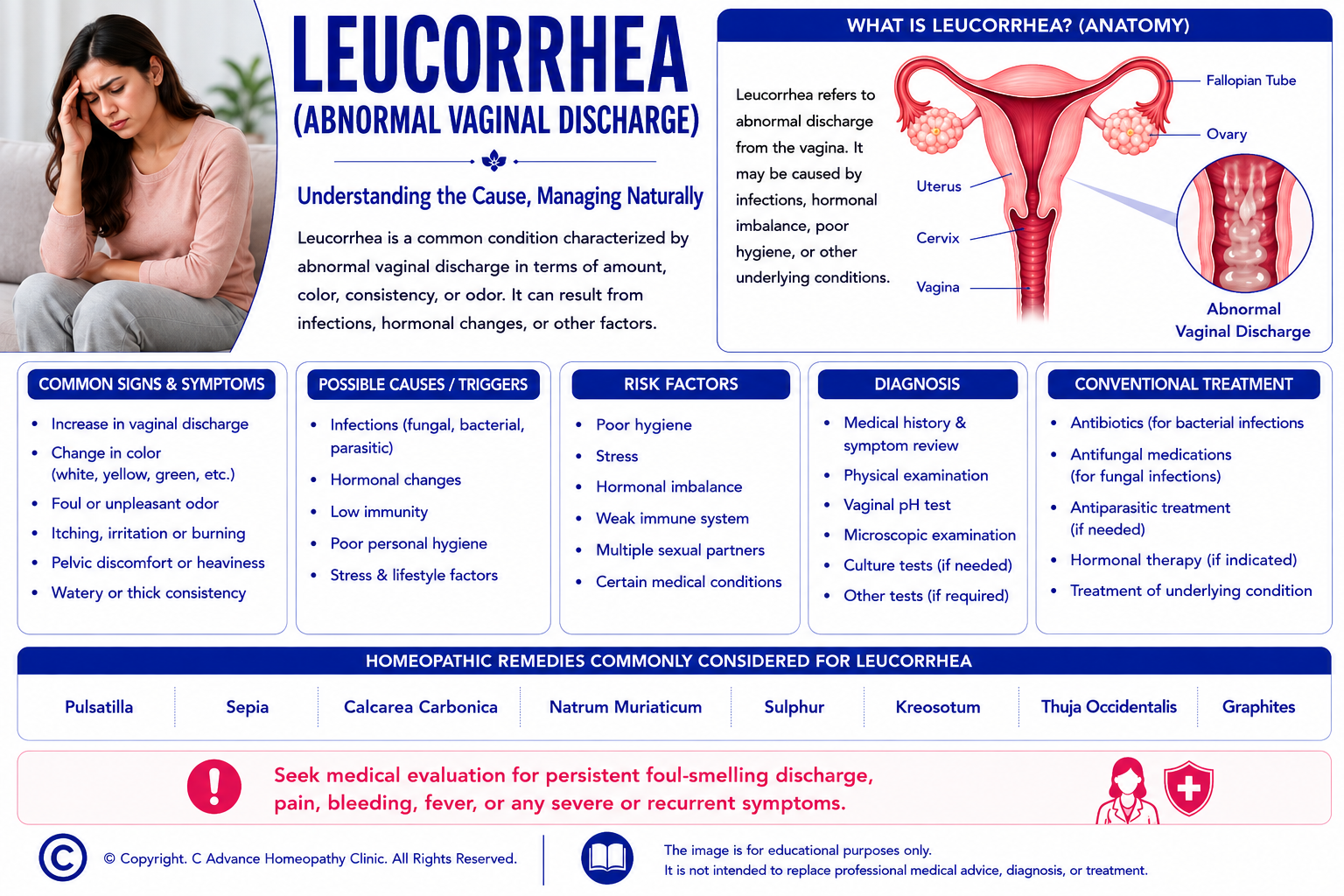
Common Signs & Symptoms of Leucorrhea (Abnormal Vaginal Discharge)
Women with Leucorrhea may experience one or more of the following symptoms:
- Excessive vaginal discharge
- White, yellow, green, or grey vaginal discharge
- Thick, thin, frothy, or curd-like vaginal discharge
- Foul-smelling or fishy vaginal odor
- Vaginal itching or irritation
- Burning sensation in the vaginal area
- Pain or burning during urination (dysuria)
- Pain during sexual intercourse (dyspareunia)
- Redness or swelling around the vulva or vagina
- Lower abdominal or pelvic pain when associated with pelvic infection
Risk Factors for Leucorrhea (Abnormal Vaginal Discharge)
Several factors may increase the likelihood of developing Leucorrhea, including:
- Poor genital hygiene
- Vaginal yeast (Candida) infection
- Bacterial vaginosis
- Sexually transmitted infections (STIs)
- Multiple sexual partners or unprotected sexual intercourse
- Pregnancy
- Diabetes mellitus
- Recent antibiotic use
- Hormonal changes, including menopause
- Reduced immunity or immunosuppressive conditions
Conventional Management of Leucorrhea (Abnormal Vaginal Discharge)
Treatment depends on identifying the underlying cause of the vaginal discharge. Conventional management commonly includes:
- Comprehensive gynecological evaluation
- Pelvic examination
- Vaginal swab for microscopy, culture, and sensitivity when indicated
- Vaginal pH testing
- Screening for sexually transmitted infections (STIs) where appropriate
- Pap smear and HPV testing according to screening recommendations
- Antifungal medications for fungal infections
- Antibiotics for bacterial infections
- Treatment of sexual partners when indicated
- Education regarding genital hygiene and preventive measures
- Regular follow-up with a gynecologist when symptoms persist or recur
Homeopathic Medicines Commonly Considered for Leucorrhea (Abnormal Vaginal Discharge)
Some homeopathic medicines that experienced homeopathic physicians may consider as part of an individualized treatment plan include:
- Sepia Officinalis
- Kreosotum
- Pulsatilla Nigricans
- Borax
- Calcarea Carbonica
- Alumina
- Natrum Muriaticum
- Hydrastis Canadensis
Homeopathic medicines should only be prescribed by a qualified homeopathic physician after an individualized clinical evaluation.
Important: Complementary Care for Leucorrhea (Vaginal Discharge)
Leucorrhea (Vaginal Discharge) should always be evaluated by a qualified gynecologist or appropriately trained healthcare professional to determine whether the discharge is physiological or pathological, identify the underlying cause, assess symptom severity, and exclude infections or other gynecological conditions requiring specific treatment. Comprehensive evaluation commonly includes clinical assessment, detailed gynecological and sexual history where appropriate, pelvic examination, vaginal pH assessment, microscopic examination of vaginal secretions, vaginal or cervical swab testing when indicated, screening for sexually transmitted infections (STIs) where clinically appropriate, cervical screening according to current guidelines, pregnancy testing in selected women, and additional investigations based on the woman's clinical presentation. Accurate diagnosis is essential because abnormal vaginal discharge may result from bacterial vaginosis, vulvovaginal candidiasis, trichomoniasis, cervicitis, sexually transmitted infections, cervical pathology, pelvic inflammatory disease, hormonal changes, or other gynecological disorders, each requiring different management.
Women with non-serious or recurrent vaginal discharge following appropriate medical evaluation may be considered for individualized homeopathic treatment as a complementary approach. Homeopathy may be integrated alongside appropriate antimicrobial treatment when indicated, maintenance of healthy vulvovaginal hygiene, management of contributing medical conditions such as diabetes mellitus, treatment of sexual partners where medically indicated, safe sexual practices, lifestyle modification, and regular follow-up with their gynecologist or primary care physician. Individualized homeopathic prescribing is based on the woman's complete clinical presentation, constitutional characteristics, nature of the discharge, associated symptoms, reproductive history, medical history, lifestyle factors, emotional well-being, and overall health rather than the diagnosis alone.
Women should continue all recommended conventional treatment, including antifungal, antibacterial, or antiparasitic therapy when indicated, treatment of sexually transmitted infections according to established guidelines, partner management where appropriate, cervical evaluation when indicated, management of underlying endocrine or systemic disorders, and regular gynecological follow-up. Homeopathy should not be regarded as a substitute for evidence-based gynecological care, particularly in women with sexually transmitted infections, pelvic inflammatory disease, pregnancy-associated infections, recurrent or persistent infections, or suspected cervical or uterine pathology.
Women with persistent or recurrent abnormal vaginal discharge despite appropriate treatment, foul-smelling discharge, postmenopausal discharge, recurrent vulvovaginal infections, pelvic inflammatory disease, suspected sexually transmitted infection, abnormal cervical screening results, persistent postcoital bleeding, pregnancy-associated vaginal infections, or abnormal pelvic examination findings should continue specialist gynecological care and further evaluation. Homeopathy should not replace recommended microbiological testing, antimicrobial therapy, cervical assessment, colposcopy, or other evidence-based investigations and treatment when these are advised by the treating gynecologist.
Women who develop high fever, severe pelvic or lower abdominal pain, foul-smelling discharge associated with fever, heavy vaginal bleeding, severe genital swelling, pregnancy with suspected vaginal infection, symptoms of sepsis, loss of consciousness, or any sudden deterioration in their general condition should seek immediate medical attention, as these symptoms may indicate pelvic inflammatory disease, severe genital tract infection, pregnancy-related infection, tubo-ovarian abscess, or another serious gynecological condition requiring urgent medical evaluation and treatment.
10. Genital Warts (Human Papillomavirus - HPV Infection)
What are Genital Warts (Human Papillomavirus - HPV Infection)?
Genital Warts are a common sexually transmitted infection (STI) caused by certain types of the Human Papillomavirus (HPV), most commonly HPV types 6 and 11. They appear as soft, flesh-colored or greyish growths on the genital or anal region and may occur as single lesions or multiple clusters resembling a cauliflower-like appearance.
HPV is one of the most common sexually transmitted viral infections worldwide. Many individuals infected with HPV do not develop visible warts and may remain unaware of the infection. In many cases, the body's immune system clears the virus naturally over time. However, persistent HPV infection may lead to recurrent genital warts and, depending on the HPV type, may increase the risk of certain cancers, including cervical, vaginal, vulvar, anal, penile, and oropharyngeal cancers. It is important to note that the HPV types causing genital warts are generally different from the high-risk HPV types associated with cancer.
The virus is primarily transmitted through intimate skin-to-skin sexual contact, including vaginal, anal, and oral sexual activity. Although condoms reduce the risk of transmission, they do not provide complete protection because HPV may infect areas not covered by a condom.
Diagnosis is usually made through clinical examination by a healthcare professional. Additional investigations, including HPV testing, Pap smear, colposcopy, or biopsy, may be recommended in selected patients depending on age, clinical findings, and cervical cancer screening guidelines.
Modern medical management focuses on removing visible warts, reducing symptoms, monitoring for recurrence, promoting HPV vaccination, and ensuring appropriate cervical cancer screening. Many patients also seek complementary therapies alongside conventional medical care.
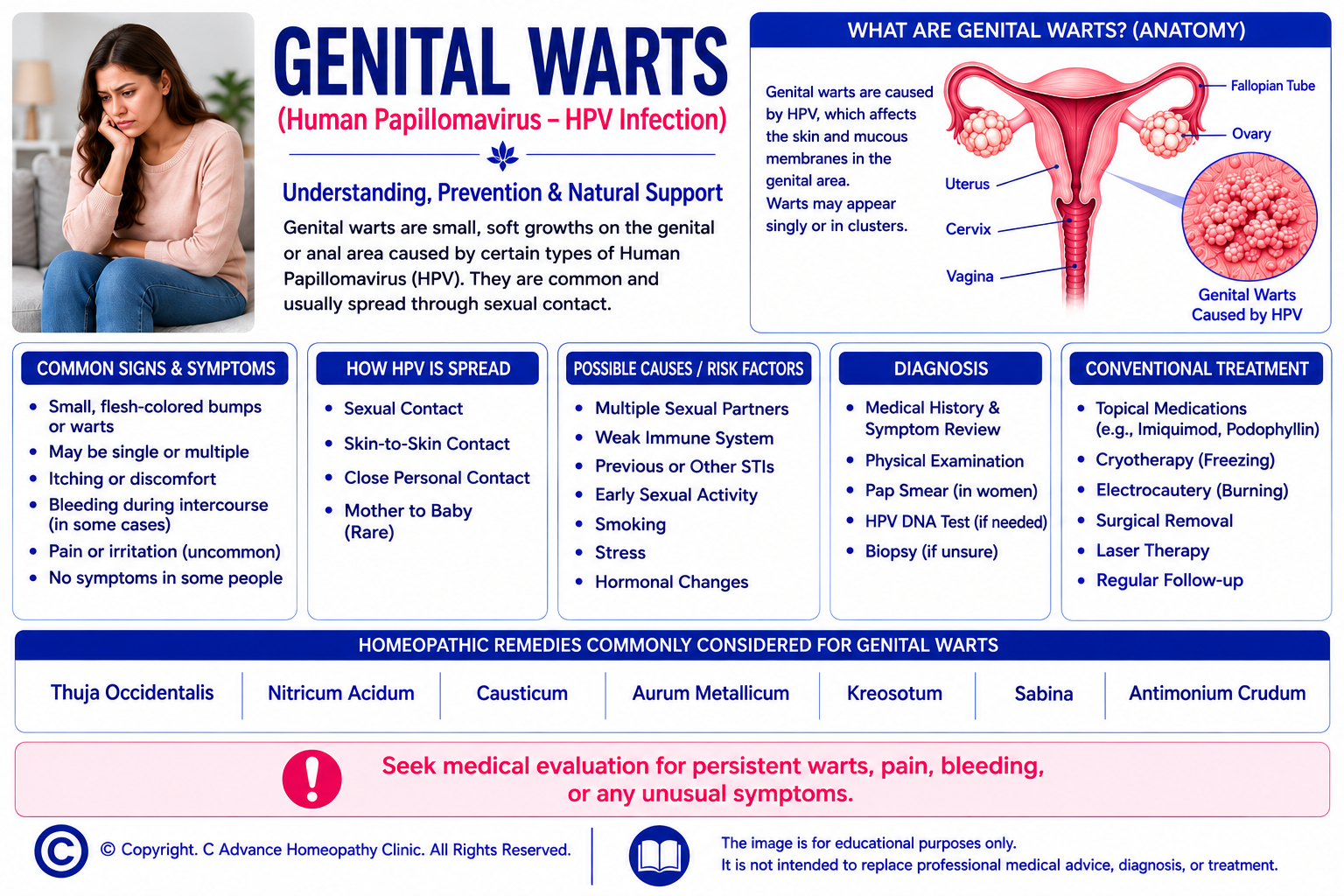
Common Signs & Symptoms of Genital Warts (Human Papillomavirus - HPV Infection)
Individuals with Genital Warts may experience one or more of the following symptoms:
- Small flesh-colored, pink, or grey growths on the genital or anal region
- Single or multiple cauliflower-like lesions
- Itching or irritation around the affected area
- Mild discomfort or burning sensation
- Bleeding after sexual intercourse or minor trauma to the lesions
- Moist or raised lesions around the vulva, vagina, cervix, penis, scrotum, anus, or surrounding skin
- Recurrent genital warts despite previous treatment
- Many individuals may have no symptoms despite HPV infection
Risk Factors for Genital Warts (Human Papillomavirus - HPV Infection)
Several factors may increase the likelihood of developing Genital Warts, including:
- Infection with low-risk Human Papillomavirus (HPV) types
- Multiple sexual partners
- Unprotected sexual activity
- Early onset of sexual activity
- Previous sexually transmitted infections (STIs)
- Weakened immune system
- Smoking
- Sexual contact with an infected partner
- Not receiving HPV vaccination
Conventional Management of Genital Warts (Human Papillomavirus - HPV Infection)
Treatment depends on the size, number, location, and recurrence of the lesions. Conventional management commonly includes:
- Comprehensive medical and gynecological or urological evaluation
- Clinical examination of the affected area
- HPV testing and cervical cancer screening where indicated
- Pap smear according to screening recommendations
- Colposcopy or biopsy when clinically indicated
- Topical medications prescribed by a healthcare professional
- Cryotherapy (freezing therapy)
- Electrocautery or laser treatment in selected patients
- Surgical removal of larger or persistent lesions
- HPV vaccination according to national recommendations
- Counseling regarding safe sexual practices and partner notification when appropriate
- Regular follow-up to monitor recurrence
Homeopathic Medicines Commonly Considered for Genital Warts (Human Papillomavirus - HPV Infection)
Some homeopathic medicines that experienced homeopathic physicians may consider as part of an individualized treatment plan include:
- Thuja Occidentalis
- Nitric Acid
- Causticum
- Medorrhinum
- Dulcamara
- Sabina
- Antimonium Crudum
- Natrum Sulphuricum
Homeopathic medicines should only be prescribed by a qualified homeopathic physician after an individualized clinical evaluation.
Important: Complementary Care for Genital Warts (Human Papillomavirus – HPV Infection)
Genital Warts (Human Papillomavirus – HPV Infection) should always be evaluated by a qualified gynecologist, dermatologist, sexual health physician, or appropriately trained healthcare professional to confirm the diagnosis, determine the extent of HPV-related disease, identify the HPV subtype where clinically appropriate, exclude precancerous or malignant lesions, assess cervical health, evaluate sexual and reproductive health, and develop an individualized management plan. Comprehensive evaluation commonly includes a detailed medical history, physical and gynecological examination, inspection of the external genitalia and cervix where indicated, cervical screening (Pap smear) according to current guidelines, Human Papillomavirus (HPV) testing where appropriate, colposcopy for abnormal cervical screening results, biopsy of suspicious lesions when clinically indicated, screening for other sexually transmitted infections (STIs), and additional investigations based on the woman's clinical presentation. Accurate diagnosis is essential because genital lesions may also result from molluscum contagiosum, condyloma lata secondary to syphilis, skin tags, seborrheic keratoses, vulvar intraepithelial neoplasia, vulvar cancer, or other benign and malignant dermatological or gynecological conditions, each requiring different management.
Women with stable Genital Warts (HPV Infection) may be considered for individualized homeopathic treatment as a complementary approach following appropriate gynecological evaluation. Homeopathy may be integrated alongside topical medical therapy, procedural removal of warts where indicated, HPV vaccination according to national recommendations, smoking cessation, safe sexual practices, psychological support, patient education, healthy lifestyle modification, and regular follow-up with their gynecologist or sexual health specialist. Individualized homeopathic prescribing is based on the woman's complete clinical presentation, constitutional characteristics, immune status, associated symptoms, reproductive history, medical history, lifestyle factors, emotional well-being, and overall health rather than the diagnosis alone.
Women should continue all recommended conventional treatment, including regular cervical cancer screening, HPV testing where indicated, topical treatments such as imiquimod or podophyllotoxin when appropriate, cryotherapy, electrocautery, laser therapy, surgical excision when clinically indicated, HPV vaccination according to current recommendations, screening and treatment of other sexually transmitted infections where appropriate, and regular gynecological follow-up. Homeopathy should not be regarded as a substitute for evidence-based gynecological care, particularly in women with persistent HPV infection, high-risk HPV types, cervical dysplasia, vulvar or cervical intraepithelial neoplasia, immunocompromised states, pregnancy requiring specialist management, or suspected malignant transformation.
Women with persistent or recurrent genital warts despite appropriate treatment, abnormal cervical screening results, high-risk HPV infection, recurrent cervical dysplasia, immunosuppression, uncertainty regarding the diagnosis, rapidly enlarging lesions, persistent bleeding, ulceration, severe pain, or suspected malignant changes should continue specialist gynecological care and regular surveillance. Homeopathy should not replace recommended cervical screening, HPV testing, colposcopy, biopsy, topical treatment, surgical management, HPV vaccination, or other evidence-based interventions recommended by the treating specialist.
Women who develop rapidly enlarging genital lesions, persistent genital ulceration, significant bleeding from genital lesions, severe pelvic pain, high fever associated with genital infection, difficulty passing urine due to extensive lesions, suspected invasive cervical or vulvar cancer, or any sudden deterioration in their general condition should seek immediate medical attention, as these symptoms may indicate secondary bacterial infection, invasive gynecological malignancy, urinary obstruction, or another serious gynecological condition requiring urgent specialist evaluation and treatment.
11. Female Infertility (Complementary Supportive Care)
What is Female Infertility?
Female Infertility is defined as the inability to achieve pregnancy after 12 months of regular, unprotected sexual intercourse in women under 35 years of age, or after 6 months in women aged 35 years and older. Infertility may result from factors affecting the woman, the male partner, or both. Approximately one-third of infertility cases are primarily related to female factors, one-third to male factors, and the remaining cases involve both partners or remain unexplained despite thorough evaluation.
Female infertility may result from a variety of underlying conditions, including ovulatory disorders such as Polycystic Ovarian Syndrome (PCOS/PMOS), diminished ovarian reserve, Endometriosis, Adenomyosis, uterine fibroids, fallopian tube disorders, pelvic inflammatory disease, congenital uterine abnormalities, hormonal disorders, thyroid disease, autoimmune conditions, or age-related decline in fertility. Lifestyle factors, obesity, smoking, excessive alcohol consumption, chronic medical illnesses, and psychological stress may also influence reproductive health.
A comprehensive fertility evaluation is essential to identify the underlying cause. Since infertility involves both partners, assessment should include appropriate evaluation of the male partner as well. Investigations commonly include hormonal assessment, ovarian reserve testing, pelvic ultrasound, assessment of ovulation, evaluation of tubal patency, semen analysis, and other specialized investigations when indicated.
Modern reproductive medicine focuses on identifying reversible causes, optimizing natural fertility, treating underlying medical conditions, and offering assisted reproductive technologies such as ovulation induction, intrauterine insemination (IUI), and in vitro fertilization (IVF) when appropriate. Some couples also choose complementary therapies alongside conventional fertility care.
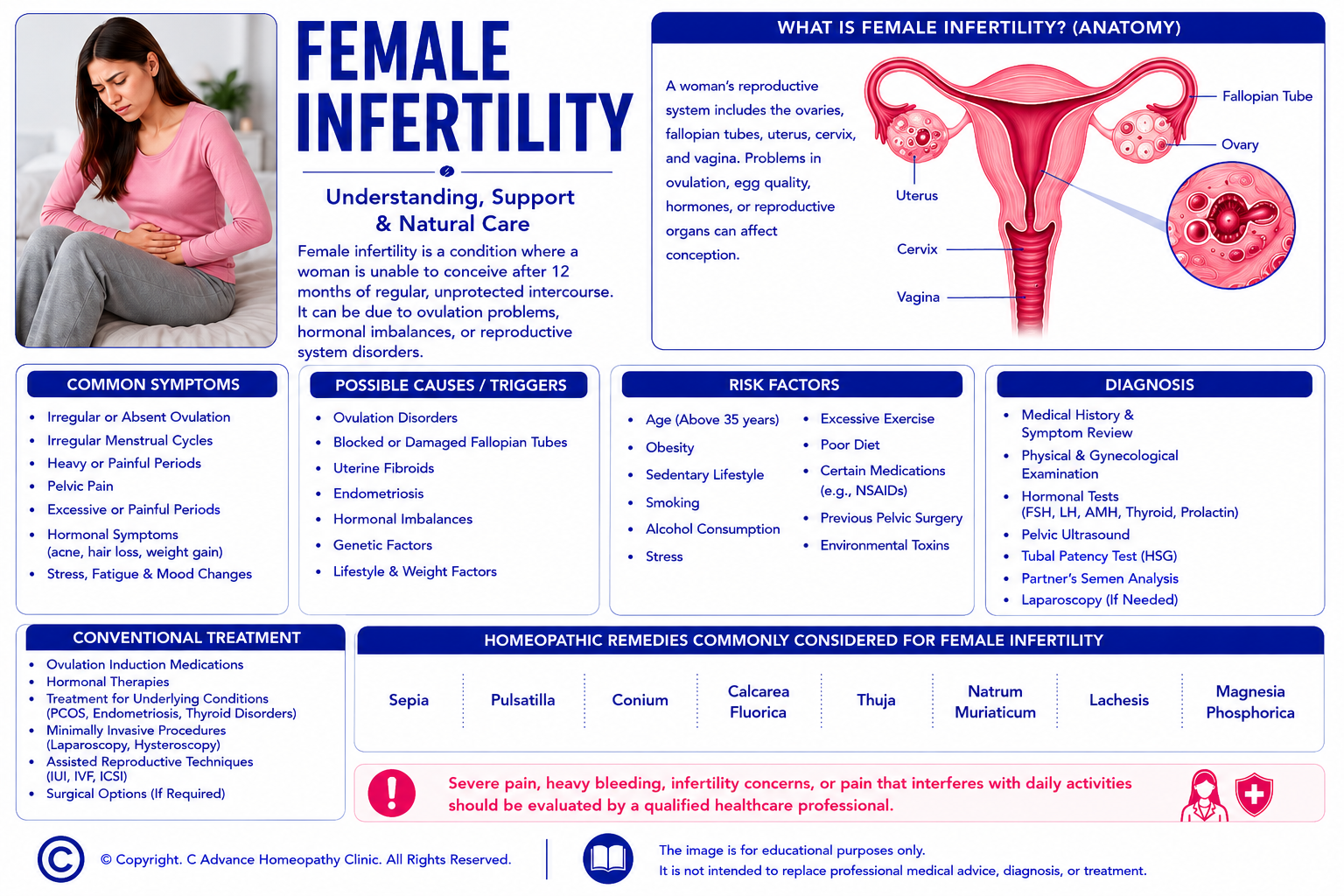
Common Signs & Symptoms Associated with Female Infertility
Women experiencing infertility may have one or more of the following features:
- Inability to conceive despite regular unprotected intercourse
- Irregular or absent menstrual periods
- Infrequent ovulation or anovulation
- Painful menstrual periods
- Heavy or irregular menstrual bleeding
- Chronic pelvic pain
- History of recurrent miscarriage
- Pain during sexual intercourse (dyspareunia)
- Symptoms suggestive of hormonal imbalance, such as acne or excessive facial hair
- Previous pelvic infection or pelvic surgery
- History of Endometriosis, Adenomyosis, or Uterine Fibroids
Risk Factors for Female Infertility
Several factors may increase the likelihood of Female Infertility, including:
- Increasing maternal age, particularly after 35 years
- Polycystic Ovarian Syndrome (PCOS/PMOS)
- Endometriosis
- Adenomyosis
- Uterine Fibroids
- Pelvic inflammatory disease (PID)
- Blocked or damaged fallopian tubes
- Thyroid disorders or other hormonal abnormalities
- Obesity or being underweight
- Smoking and excessive alcohol consumption
- Previous pelvic or abdominal surgery
- Autoimmune disorders
- Family history of premature ovarian insufficiency or infertility
Conventional Management of Female Infertility
Treatment depends on the identified cause, the woman's age, duration of infertility, and the reproductive health of both partners. Conventional management commonly includes:
- Comprehensive fertility evaluation of both partners
- Detailed gynecological assessment
- Semen analysis for the male partner
- Hormonal investigations and ovarian reserve assessment
- Ovulation monitoring
- Pelvic ultrasound
- Hysterosalpingography (HSG) or other tests to assess fallopian tube patency
- Hysteroscopy or laparoscopy when indicated
- Lifestyle modification, including weight optimization, smoking cessation, and regular exercise
- Treatment of underlying hormonal or gynecological disorders
- Ovulation induction medications
- Intrauterine insemination (IUI) when appropriate
- In vitro fertilization (IVF) or Intracytoplasmic Sperm Injection (ICSI) for selected couples
- Regular follow-up with a fertility specialist or gynecologist
Homeopathic Medicines Commonly Considered for Female Infertility
Some homeopathic medicines that experienced homeopathic physicians may consider as part of an individualized treatment plan include:
- Sepia Officinalis
- Pulsatilla Nigricans
- Natrum Muriaticum
- Calcarea Carbonica
- Lachesis Mutus
- Folliculinum
- Oophorinum
- Helonias Dioica
Homeopathic medicines should only be prescribed by a qualified homeopathic physician after an individualized clinical evaluation.
Important: Complementary Care for Female Infertility
Female Infertility should always be evaluated and managed by a qualified gynecologist, reproductive endocrinologist, fertility specialist, or appropriately trained healthcare professional to determine the underlying cause, assess reproductive health, evaluate both partners, identify potentially reversible factors, and develop an individualized fertility management plan. Comprehensive evaluation commonly includes a detailed reproductive and menstrual history, comprehensive gynecological examination, assessment of ovulation, evaluation of ovarian reserve, hormonal investigations including thyroid and prolactin assessment where clinically indicated, pelvic ultrasonography, assessment of uterine and fallopian tube patency using appropriate imaging techniques such as hysterosalpingography (HSG) or sonohysterography when indicated, evaluation for endometriosis or uterine abnormalities where appropriate, review of medical history and current medications, assessment of lifestyle and metabolic factors, semen analysis of the male partner, and additional investigations based on the couple's clinical presentation. Accurate diagnosis is essential because infertility may result from ovulatory disorders, Polycystic Ovarian Syndrome (PMOS), diminished ovarian reserve, endometriosis, adenomyosis, uterine fibroids, tubal disease, pelvic inflammatory disease, endocrine disorders, genetic conditions, male factor infertility, unexplained infertility, or other reproductive disorders, each requiring different management.
Women undergoing evaluation for Female Infertility may be considered for individualized homeopathic treatment as a complementary approach following appropriate fertility assessment. Homeopathy may be integrated alongside ovulation induction where indicated, treatment of underlying gynecological or endocrine disorders, fertility counselling, nutritional optimization, weight management where appropriate, smoking cessation, limitation of alcohol intake, regular physical activity, stress management programmes, psychological support, assisted reproductive technologies (ART) such as intrauterine insemination (IUI) or in vitro fertilization (IVF) when clinically indicated, and regular follow-up with their fertility specialist. Individualized homeopathic prescribing is based on the woman's complete clinical presentation, constitutional characteristics, menstrual and reproductive history, associated medical conditions, emotional well-being, lifestyle factors, fertility history, family history, and overall health rather than the diagnosis alone.
Women should continue all recommended conventional treatment, including appropriate fertility investigations, management of ovulatory disorders, treatment of endocrine abnormalities, surgical treatment where indicated for endometriosis or uterine abnormalities, ovulation induction, assisted reproductive technologies (ART), preconception counselling, optimization of chronic medical conditions, nutritional support including folic acid supplementation where appropriate, and regular follow-up with their fertility specialist. Homeopathy should not be regarded as a substitute for evidence-based fertility evaluation or reproductive treatment, particularly in women with bilateral tubal obstruction, severe endometriosis, markedly diminished ovarian reserve, premature ovarian insufficiency, significant uterine abnormalities, severe male factor infertility, genetic disorders affecting fertility, advanced maternal age where timely intervention is important, or other conditions requiring specialist reproductive management.
Women with persistent infertility despite appropriate treatment, recurrent pregnancy loss, repeated failure of fertility treatment, progressive pelvic pain, irregular or absent ovulation, uncertainty regarding the diagnosis, suspected endocrine disorders, worsening endometriosis symptoms, or suspected male factor infertility should continue specialist fertility follow-up and regular reassessment. Homeopathy should not replace recommended fertility investigations, hormonal assessment, semen analysis, imaging studies, ovulation induction, assisted reproductive technologies (ART), surgical management, or other evidence-based reproductive treatments recommended by the treating fertility specialist.
Women who develop sudden severe pelvic pain, heavy vaginal bleeding, severe abdominal distension during fertility treatment, persistent vomiting, marked shortness of breath, fainting, severe lower abdominal pain associated with a positive pregnancy test, high fever following gynecological procedures, or any rapidly worsening symptoms should seek immediate emergency medical attention, as these symptoms may indicate ectopic pregnancy, ovarian torsion, ovarian hyperstimulation syndrome (OHSS), severe pelvic infection, internal bleeding, or another serious gynecological or obstetric emergency requiring urgent specialist assessment and hospital-based care.
A Note About Homeopathic Medicines
The homeopathic medicines listed throughout this page are among the remedies that experienced homeopathic physicians may consider while providing individualized care for women with gynecological and reproductive health conditions. Homeopathic treatment is highly individualized, and the selection of a medicine is never based solely on the diagnosis.
Before recommending a homeopathic medicine, our doctors carefully evaluate several important factors, including:
- The patient's confirmed gynecological diagnosis
- Presenting symptoms and their severity
- Menstrual history, including cycle regularity, duration, flow, and associated symptoms
- Reproductive history, including pregnancy, childbirth, miscarriage, and fertility concerns where applicable
- Previous gynecological, medical, and surgical treatment
- Pelvic ultrasound, MRI, hysteroscopy, laparoscopy, Pap smear, biopsy, and other relevant investigation findings where available
- Hormonal and laboratory investigation results
- Current medications, including hormonal therapies and fertility treatments
- Medical and family history
- Lifestyle factors, including diet, exercise, sleep, and stress
- Emotional and psychological well-being
- General physical health
- Individual constitutional characteristics
The most appropriate homeopathic medicine for one woman may differ from that selected for another woman with the same gynecological condition. For this reason, homeopathic medicines should always be prescribed following a comprehensive consultation with a qualified homeopathic physician and used only as part of an individualized treatment plan.
Our Homeopathic Approach to Women's Health
At Advance Homeopathy Clinic Dubai, we believe that successful homeopathic treatment begins with understanding the individual rather than focusing solely on the diagnosis. Although two women may have the same gynecological condition, such as Polycystic Ovarian Syndrome (PCOS/PMOS), Endometriosis, Uterine Fibroids, Adenomyosis, Premenstrual Syndrome (PMS), or Menopausal Syndrome, their symptoms, hormonal patterns, emotional responses, medical history, and overall constitution may differ significantly. Homeopathic treatment is therefore individualized to address each patient's unique clinical presentation.
Our consultation begins with a comprehensive assessment that includes a detailed understanding of the patient's current gynecological concerns, menstrual and reproductive history, previous medical conditions, family history, lifestyle, emotional well-being, and factors that may influence hormonal and reproductive health. We carefully review available medical records, laboratory investigations, pelvic ultrasound findings, MRI reports, hormonal assessments, fertility evaluations, Pap smear results, and other relevant diagnostic reports whenever available.
Homeopathic medicines are selected after evaluating the complete symptom picture rather than relying solely on the medical diagnosis. During the consultation, our physicians assess the characteristic features of each complaint, associated symptoms, modalities, constitutional characteristics, and the individual's overall physical and emotional health. This individualized approach aims to select the most appropriate homeopathic medicine for each patient.
At Advance Homeopathy Clinic Dubai, we recognize the importance of accurate medical diagnosis and evidence-based gynecological care. Homeopathy is offered as a complementary treatment alongside appropriate conventional medical management. Women requiring emergency care, surgical intervention, hormonal therapy, fertility treatment, or ongoing specialist gynecological care are encouraged to continue their treatment under the guidance of their gynecologist. Our physicians work to complement—not replace—appropriate conventional medical care whenever indicated.
We also emphasize patient education throughout the treatment process. Women are encouraged to understand their condition, maintain regular follow-up appointments, undergo recommended investigations, and adopt healthy lifestyle practices that support hormonal balance, reproductive health, and overall well-being. When appropriate, we coordinate care with gynecologists and other healthcare professionals to ensure that patients receive comprehensive and integrated medical care.
Our goal is to provide compassionate, individualized, and holistic homeopathic care while maintaining high standards of clinical practice, patient safety, and professional ethics. Every treatment plan is developed according to the patient's unique clinical needs, ensuring that care remains personalized, responsible, and focused on achieving the best possible health outcomes.
Why Choose Advance Homeopathy Clinic Dubai for Women's Health?
Choosing the right healthcare provider is an important step in managing women's health conditions. At Advance Homeopathy Clinic Dubai, we are committed to providing individualized, ethical, and patient-centered homeopathic care for women of all ages. Our approach combines detailed clinical evaluation with classical homeopathic principles while working alongside evidence-based conventional medical care whenever appropriate.
Experienced Homeopathic Physicians
Our clinic is led by Dr. Aalim Dhandhukia, a Dubai Health Authority (DHA)-licensed Homeopathic Physician with more than 35 years of clinical and teaching experience. Our medical team has experience in evaluating a wide range of acute and chronic gynecological conditions and follows an individualized approach to homeopathic prescribing.
Individualized Homeopathic Treatment
Every woman is unique, and so is her treatment. We do not prescribe medicines based solely on the diagnosis. Instead, our physicians evaluate the complete clinical picture, including the nature of symptoms, menstrual history, hormonal health, reproductive history, medical history, lifestyle, emotional well-being, and constitutional characteristics before selecting an individualized homeopathic medicine.
Comprehensive Clinical Assessment
Our consultations include a detailed review of relevant medical information, including:
- Medical and gynecological history
- Menstrual and reproductive history
- Previous pregnancies and fertility history where applicable
- Hormonal investigations
- Pelvic ultrasound and MRI reports
- Laboratory investigations
- Previous treatments and medications
- Family history
- Lifestyle and general health factors
This comprehensive assessment helps us understand each patient's condition more thoroughly and develop an individualized treatment plan.
Complementary and Integrated Care
We believe that the best patient outcomes are achieved through responsible, integrated healthcare. Homeopathy is offered as a complementary treatment alongside conventional gynecological care whenever appropriate. Women requiring hormonal therapy, surgery, fertility treatment, emergency care, or specialist investigations are encouraged to continue treatment under the guidance of their gynecologist. Our goal is to complement—not replace—necessary conventional medical care.
Convenient Consultation Options
We offer both in-clinic consultations at our Dubai branches and online consultations for patients who are unable to visit the clinic. This enables women from Dubai, the UAE, and many other countries to access individualized homeopathic care conveniently.
Patient-Centered Care
We recognize that women's health concerns often affect multiple aspects of life, including physical health, emotional well-being, family life, and professional responsibilities. Our physicians take the time to listen carefully, answer questions, explain treatment plans, and involve patients in shared decision-making throughout their care.
Commitment to Ethical Medical Practice
Patient safety and evidence-based clinical practice remain central to our approach. We encourage appropriate medical investigations, timely referrals when necessary, regular follow-up, and collaboration with other healthcare professionals to ensure comprehensive care for every patient.
Frequently Asked Questions (FAQs) About Homeopathy for Women's Health
Can homeopathy be used alongside conventional gynecological treatment?
Yes. Homeopathy may be used as a complementary treatment alongside conventional gynecological care. Women receiving medications, hormonal therapy, fertility treatment, or undergoing surgical management should continue treatment under the guidance of their gynecologist. Our homeopathic physicians consider your diagnosis, current medications, and overall medical condition before developing an individualized treatment plan.
Can homeopathy help with Polycystic Ovarian Syndrome (PCOS/PMOS)?
Many women seek homeopathic consultation for Polycystic Ovarian Syndrome (PCOS/PMOS). Homeopathic treatment is individualized and is selected after evaluating the patient's symptoms, menstrual history, hormonal profile, medical history, lifestyle, and constitutional characteristics. Women diagnosed with PCOS/PMOS should continue appropriate medical follow-up, including recommended investigations and treatment advised by their gynecologist or endocrinologist.
Can homeopathy be used for Endometriosis and Adenomyosis?
Homeopathy may be considered as a complementary approach for women with Endometriosis or Adenomyosis. Since these are chronic gynecological conditions, regular evaluation by a gynecologist remains essential. Medical treatment, imaging studies, hormonal therapy, or surgery may be required depending on the severity of the disease and the individual's clinical condition.
Can homeopathy be used for Uterine Fibroids?
Women with Uterine Fibroids (Leiomyomas) often seek homeopathic consultation as part of their overall management plan. The selection of homeopathic medicines is individualized and depends on the patient's complete symptom profile. Regular gynecological evaluation and periodic pelvic ultrasound are important to monitor the size, number, and location of fibroids and to guide appropriate medical management.
Can homeopathy be used for Premenstrual Syndrome (PMS) and Menopausal Syndrome?
Many women seek homeopathic care for symptoms associated with Premenstrual Syndrome (PMS) and Menopausal Syndrome. Treatment is individualized after considering the patient's symptoms, menstrual history, hormonal changes, general health, and constitutional characteristics. Women experiencing severe symptoms should undergo appropriate medical evaluation to exclude other underlying conditions.
Can homeopathy help with Female Infertility?
Female infertility has many possible causes, including ovulatory disorders, Endometriosis, tubal disease, hormonal disorders, age-related decline in fertility, and male factor infertility. Every couple experiencing infertility should undergo a comprehensive fertility evaluation. Homeopathy may be considered as a complementary approach after an individualized assessment, while continuing appropriate investigations and fertility treatment recommended by a fertility specialist or gynecologist.
Are homeopathic medicines safe during pregnancy?
Pregnancy requires specialized medical care. Women who are pregnant or planning pregnancy should consult both their obstetrician and a qualified homeopathic physician before taking any homeopathic medicine. Treatment during pregnancy should always be individualized and medically supervised.
How are homeopathic medicines selected for women's health conditions?
Homeopathic medicines are not selected solely on the medical diagnosis. Our physicians evaluate the complete clinical picture, including the nature of the symptoms, menstrual history, reproductive history, medical diagnosis, laboratory investigations, imaging findings, hormonal status, general health, emotional well-being, lifestyle, and constitutional characteristics before selecting an individualized homeopathic medicine.
Do I need medical investigations before starting homeopathic treatment?
Whenever available, we encourage patients to bring relevant medical records, including blood test results, pelvic ultrasound reports, MRI findings, Pap smear results, hormonal investigations, fertility evaluations, biopsy reports, and details of previous treatments. These investigations help us better understand your medical condition and work alongside your treating gynecologist.
When should I seek urgent medical attention for a gynecological problem?
You should seek immediate medical care if you experience:
- Heavy vaginal bleeding requiring frequent pad changes or causing dizziness or fainting
- Severe or sudden pelvic pain
- Vaginal bleeding during pregnancy
- Postmenopausal bleeding
- High fever associated with pelvic pain or abnormal vaginal discharge
- Suspected ectopic pregnancy
- Severe abdominal pain with fainting or collapse
These situations require prompt medical assessment and should not be delayed while seeking complementary treatment.
Do you offer online consultations for women's health?
Yes. Advance Homeopathy Clinic Dubai offers both in-clinic and online homeopathic consultations. During the consultation, our physicians review your medical history, symptoms, previous investigations, and current treatment before developing an individualized homeopathic treatment plan. Depending on your condition, you may also be advised to undergo further investigations or consult a gynecologist for additional evaluation.
Research in Homeopathy and Gynecological Disorders
Research Overview
Homeopathy has been investigated as a complementary approach in the management of selected gynecological and women’s health conditions, particularly disorders associated with recurrent symptoms, menstrual discomfort, hormonal changes, menopausal symptoms, and reduced quality of life.
Published research has examined homeopathic interventions in conditions such as Primary Dysmenorrhea, Premenstrual Syndrome, menopausal hot flashes, menstrual irregularities, and selected reproductive or hormonal complaints. The available literature includes randomized controlled trials, observational studies, pragmatic clinical studies, case series, and narrative reviews.
Among the conditions discussed in this article, Dysmenorrhea and menopausal symptoms have received comparatively greater research attention. A placebo-controlled trial in students with Primary Dysmenorrhea did not find a statistically significant benefit of homeopathy over placebo for menstrual pain, quality of life, or analgesic use. Small placebo-controlled trials of specific homeopathic preparations for menopausal hot flashes have reported favourable findings, but these results require cautious interpretation because the studies were relatively small and evaluated particular products rather than comprehensive individualized homeopathic treatment.
Considerably less reliable clinical research is available for PMOS/PCOS, Endometriosis, Adenomyosis, Uterine Fibroids, Abnormal Uterine Bleeding, recurrent vaginal discharge, HPV-related Genital Warts, and Female Infertility. For these conditions, available publications are generally insufficient to establish whether homeopathy influences the underlying pathology, hormonal profile, structural abnormalities, disease progression, fertility outcomes, or the need for medical or surgical treatment.
Because individualized homeopathic prescribing considers the woman’s complete symptom pattern, constitutional characteristics, menstrual and reproductive history, associated symptoms, emotional well-being, medical history, and overall health rather than the diagnosis alone, clinical research may involve methodological challenges. Nevertheless, appropriate research must still use clearly defined diagnoses, reliable comparison groups, validated outcome measures, adequate sample sizes, objective clinical outcomes where applicable, and sufficiently long follow-up.
Current State of Research
The current evidence for homeopathy in gynecology is limited, condition-specific, and heterogeneous. Some small clinical studies have reported improvement in selected symptoms, particularly menopausal hot flashes or patient-reported well-being. However, positive findings from individual studies cannot be generalized to all homeopathic medicines, all gynecological conditions, or individualized homeopathic care as a whole.
The available research also includes neutral or negative findings. In a randomized, double-blind, placebo-controlled study of Primary Dysmenorrhea, homeopathic treatment did not demonstrate a significant advantage over placebo. This finding illustrates why the evidence should be presented honestly rather than assuming that every published homeopathic intervention has shown benefit.
Important limitations across the literature include:
- Small sample sizes
- Short treatment and follow-up periods
- Variation between individualized and fixed-combination homeopathic treatment
- Differences in diagnostic criteria and remedy-selection methods
- Reliance on subjective symptom outcomes
- Inconsistent reporting of conventional treatment used alongside homeopathy
- Limited replication by independent research groups
- Insufficient objective assessment of hormonal, reproductive, structural, or fertility outcomes
Research involving a fixed homeopathic combination or one specific medicine should also be distinguished from individualized homeopathy, because the two approaches are not clinically identical. Broader systematic reviews of randomized homeopathy trials likewise show substantial variation in interventions, study quality, diagnoses, and risk of bias, limiting the certainty and generalizability of their conclusions.
At present, the available evidence is insufficient to establish homeopathy as a routine treatment for gynecological diseases or to demonstrate that it can reverse structural pathology, restore fertility, eradicate HPV infection, prevent gynecological complications, or replace established medical and surgical care.
Further research would require adequately powered, independently replicated clinical trials using:
- Confirmed gynecological diagnoses
- Validated symptom and quality-of-life scales
- Menstrual-cycle tracking
- Objective hormonal and metabolic measurements where relevant
- Ultrasound or MRI findings for structural disorders
- Haemoglobin and iron indices in women with heavy bleeding
- Ovulation, pregnancy, and live-birth outcomes in fertility studies
- Clearly documented concurrent conventional treatment
- Long-term assessment of recurrence, progression, and safety
Modern gynecological guidelines continue to regard accurate diagnosis, pelvic imaging, laboratory investigations, hormonal and non-hormonal medications, fertility treatment, cervical screening, HPV vaccination, psychological support, minimally invasive procedures, and surgery when indicated as the foundation of evidence-based women’s healthcare. Homeopathy should therefore be viewed only as a possible complementary approach, not as a replacement for recommended gynecological care.
Our Clinical Perspective
At Advance Homeopathy Clinic Dubai, we believe that responsible care for gynecological disorders begins with an accurate diagnosis, appropriate investigations, assessment of symptom severity, consideration of reproductive goals, and timely evidence-based treatment whenever required.
Our role is to provide individualized homeopathic care as a complementary approach within the woman’s overall gynecological treatment plan. Before considering homeopathic treatment, we review the confirmed diagnosis, menstrual and reproductive history, symptom pattern, hormonal and metabolic findings where available, pelvic imaging, previous medical or surgical treatment, current medications, fertility goals, constitutional characteristics, emotional well-being, and overall health.
We do not present homeopathy as a substitute for:
- Gynecological examination
- Pregnancy testing where indicated
- Blood tests and hormonal assessment
- Pelvic ultrasound or MRI
- Cervical screening and HPV testing
- Colposcopy or biopsy
- Endometrial evaluation
- Treatment of anaemia
- Antimicrobial treatment for confirmed infections
- Hormonal therapy
- Fertility investigations or assisted reproduction
- Medical procedures or surgery
Women with PMOS/PCOS should continue appropriate metabolic monitoring and fertility care. Women with Endometriosis, Adenomyosis, or Uterine Fibroids should continue recommended imaging, hormonal treatment, fertility-preserving management, or surgery where required. Women with Celiac— sorry, not relevant here. Women with Abnormal Uterine Bleeding should undergo investigation of the underlying cause rather than relying on symptomatic treatment alone. Women with HPV-related disease should continue cervical screening, HPV testing, vaccination where appropriate, and specialist management. Women experiencing infertility should receive comprehensive evaluation of both partners and should not delay reproductive medicine treatment when time-sensitive intervention is recommended.
We also recognize that the scope of homeopathic care differs substantially across gynecological conditions. Complementary symptom management may be more reasonable to consider in selected women with conditions such as Primary Dysmenorrhea, PMS, or menopausal symptoms after appropriate evaluation. In contrast, structural, infectious, precancerous, fertility-related, or potentially life-threatening conditions require particularly careful medical supervision, and homeopathy should never be represented as capable of replacing definitive treatment.
Women who experience severe pelvic pain, heavy or persistent bleeding, postmenopausal bleeding, suspected ectopic pregnancy, fever with pelvic pain or abnormal discharge, rapidly enlarging pelvic swelling, fainting, severe anaemia, pregnancy-related bleeding, or any sudden deterioration in their condition should seek prompt or emergency medical assessment.
Our approach combines individualized homeopathic prescribing, careful clinical evaluation, honest interpretation of the available research, and collaboration with gynecologists, endocrinologists, fertility specialists, mental-health professionals, and other healthcare providers whenever appropriate. We remain committed to patient safety, ethical communication, responsible integrative care, and updating our clinical perspective as higher-quality scientific evidence becomes available.
