
Pediatrics (Children's Health): Individualized Homeopathic Care in Dubai
Comprehensive Homeopathic Care for Childhood Asthma, Recurrent Respiratory Infections, Chronic Constipation & Nocturnal Enuresis
Childhood is a period of rapid growth and development during which every organ system undergoes continuous change. The immune system gradually matures, the lungs continue to develop, the digestive system becomes more efficient, and bladder control improves as children grow. Because these systems are still developing, illnesses in children often differ from those seen in adults and require careful age-appropriate assessment and management.
Children commonly experience respiratory infections, allergies, digestive disorders, urinary problems, and other illnesses as their immune system learns to respond to new environmental exposures. While many childhood illnesses are mild and self-limiting, others may become recurrent, interfere with growth and development, affect school attendance, disturb sleep, or reduce the child's overall quality of life. Some conditions may also require long-term monitoring and multidisciplinary care.
Parents frequently seek medical advice for children with recurrent coughs, repeated chest infections, asthma, constipation, bedwetting, and other chronic or recurring health concerns. Because similar symptoms may arise from different underlying causes, establishing an accurate medical diagnosis is essential before any treatment plan is considered. Careful evaluation helps identify the nature of the illness, assess its severity, recognise associated medical conditions, and determine whether specialist investigations or referral are required.
At Advance Homeopathy Clinic Dubai, we provide individualized homeopathic care for children with Childhood Asthma, Recurrent Upper Respiratory Tract Infections, Recurrent Lower Respiratory Tract Infections, Chronic Constipation, and Nocturnal Enuresis (Bedwetting). Our approach considers each child's complete clinical picture, including the pattern of illness, growth and development, medical history, family history, constitutional characteristics, lifestyle, environmental influences, previous treatments, and overall health rather than focusing solely on the diagnosis.
Homeopathy is offered as a complementary approach alongside conventional pediatric care. Our goal is to support the child's overall health through individualized treatment while encouraging parents to continue appropriate pediatric evaluation, recommended investigations, prescribed medications, vaccinations, nutritional guidance, and regular follow-up with their pediatrician or other healthcare professionals whenever indicated. Responsible homeopathic practice begins with an accurate medical diagnosis and recognises the importance of integrated care whenever specialist management is required.
Understanding Children's Health
Pediatrics is the branch of medicine dedicated to the health and well-being of infants, children, and adolescents. Unlike adults, children are continuously growing and developing, and every organ system undergoes progressive maturation from birth through adolescence. As a result, childhood illnesses often differ from those seen in adults in their causes, clinical presentation, response to treatment, and long-term implications. Effective pediatric care therefore requires an understanding of normal growth and development in addition to the diagnosis and management of disease.
One of the most important changes during childhood is the gradual development of the immune system. During the early years of life, children are exposed to a wide variety of viruses, bacteria, and environmental allergens for the first time. As the immune system matures, it learns to recognise and respond to these exposures more effectively. Consequently, respiratory infections are relatively common in young children, particularly during the preschool years and after starting daycare or school. While many infections are a normal part of immune development, unusually frequent, severe, persistent, or recurrent illnesses may warrant further medical evaluation to exclude underlying conditions.
The respiratory, digestive, and urinary systems also continue to mature throughout childhood. The airways of young children are smaller and more reactive, making them more susceptible to wheezing during viral infections and increasing the likelihood of respiratory symptoms in conditions such as childhood asthma. The digestive system gradually develops coordinated bowel function and healthy bowel habits, while bladder control evolves as the nervous system matures, explaining why constipation and nocturnal enuresis (bedwetting) are relatively common during childhood and often require age-appropriate assessment.
Childhood illnesses arise through a variety of mechanisms, including infections, allergic responses, immune dysregulation, genetic predisposition, developmental factors, environmental exposures, nutritional influences, and functional disturbances. Although two children may present with similar symptoms, such as recurrent cough, constipation, or bedwetting, the underlying cause may differ considerably. Identifying the correct diagnosis is therefore essential to guide appropriate management and determine whether specialist referral or further investigations are required.
Children should also be assessed as a whole rather than focusing solely on an individual symptom. Growth patterns, nutritional status, developmental milestones, sleep, family history, environmental exposures, previous illnesses, and the overall impact of the condition on daily life all contribute to understanding the child's health. A comprehensive evaluation allows healthcare professionals to distinguish between normal developmental variations, functional disorders, and conditions requiring specific medical treatment.
An accurate diagnosis remains the cornerstone of effective pediatric care. Depending on the clinical presentation, pediatricians may recommend laboratory investigations, imaging studies, pulmonary function testing, urine analysis, allergy assessment, or other diagnostic procedures to clarify the underlying cause of symptoms. Establishing the correct diagnosis enables timely treatment, appropriate follow-up, recognition of associated medical conditions, and support for healthy growth and development.
How Homeopathy May Support Children's Health
Homeopathy is an individualized system of medicine in which treatment is selected according to the child's unique clinical presentation rather than the diagnosis alone. During consultation, the homeopathic physician evaluates the child's presenting illness together with growth and developmental history, constitutional characteristics, medical history, family history, pattern of recurrent illnesses, environmental influences, previous treatments, and the overall symptom profile before selecting an appropriate homeopathic medicine.
Because childhood illnesses differ considerably in their underlying causes, severity, frequency, and long-term implications, every child requires an individualized assessment. Two children diagnosed with the same condition may differ in the pattern of symptoms, frequency of illness, triggering factors, associated medical conditions, physical characteristics, developmental stage, and treatment goals. Consequently, the same homeopathic medicine is not appropriate for every child with the same diagnosis.
Depending on the individual clinical presentation, homeopathy may be considered as a complementary approach for children experiencing:
- Childhood asthma
- Recurrent upper respiratory tract infections
- Recurrent lower respiratory tract infections
- Chronic constipation
- Nocturnal enuresis (bedwetting)
The goals of management differ according to the child's condition. Depending on the diagnosis and individual clinical circumstances, treatment may focus on reducing the frequency or severity of recurrent illnesses, improving symptom control, supporting normal daily activities, reducing the impact of chronic health problems on growth and development, enhancing quality of life, or providing supportive care alongside conventional pediatric management. The expected outcome varies according to the nature of the illness, its severity, associated medical conditions, and the individual child's response to treatment.
Homeopathy should complement—not replace—conventional pediatric care. Parents are encouraged to continue prescribed medications, inhalers, bowel management programmes, nutritional advice, recommended investigations, regular pediatric follow-up, and all treatments advised by their healthcare professionals. An integrated approach allows children to benefit from accurate diagnosis, appropriate medical management, and individualized homeopathic care while ensuring that potentially serious illnesses receive timely specialist attention.
1. Childhood Asthma
What is Childhood Asthma?
Childhood asthma is a chronic inflammatory disease of the airways characterised by recurrent episodes of wheezing, coughing, shortness of breath, and chest tightness. During an asthma episode, the muscles surrounding the airways tighten (bronchospasm), the airway lining becomes inflamed and swollen, and excess mucus may be produced, causing narrowing of the airways and difficulty in breathing.
Asthma is one of the most common chronic diseases affecting children. Symptoms vary considerably between individuals. Some children experience wheezing or cough only during viral respiratory infections or physical activity, while others may have persistent symptoms requiring long-term preventive treatment. The condition develops through a combination of genetic predisposition, allergic sensitisation, immune dysregulation, and environmental factors. Exposure to allergens, viral infections, tobacco smoke, air pollution, cold air, or exercise may trigger symptoms in susceptible children.
Although asthma is a long-term condition, early diagnosis, identification of trigger factors, appropriate medical treatment, and regular follow-up enable most children to achieve good symptom control and participate fully in school, sports, and other daily activities. Because recurrent wheezing may also occur in young children without asthma, particularly during viral respiratory infections, an accurate medical evaluation is essential before establishing the diagnosis and planning long-term management.

Common Signs & Symptoms of Childhood Asthma
Children with asthma may experience one or more of the following:
- Recurrent wheezing
- Persistent or recurrent cough
- Night-time or early morning cough
- Cough triggered by exercise, laughing, or viral infections
- Shortness of breath
- Chest tightness
- Rapid breathing during asthma attacks
- Reduced tolerance for physical activity
- Symptoms triggered by allergens, smoke, cold air, or respiratory infections
- Recurrent need for reliever inhalers or emergency medical care
Risk Factors for Childhood Asthma
Several factors may increase the likelihood of developing childhood asthma, including:
- Family history of asthma
- Family history of allergic diseases
- Personal history of eczema or allergic rhinitis
- Exposure to environmental allergens
- Viral respiratory infections during early childhood
- Tobacco smoke exposure
- Air pollution
- Premature birth
- Obesity in some children
- Exercise-induced bronchoconstriction in susceptible children
Conventional Management of Childhood Asthma
The primary goals of treatment are to achieve good symptom control, prevent asthma attacks, maintain normal physical activity, preserve lung function, and minimise future exacerbations.
Conventional management may include:
- Clinical evaluation by a pediatrician or pediatric pulmonologist
- Pulmonary function testing (spirometry) in age-appropriate children
- Identification and avoidance of trigger factors
- Written asthma action plan
- Short-acting bronchodilator (reliever) inhalers
- Inhaled corticosteroids as controller therapy
- Combination inhalers where indicated
- Leukotriene receptor antagonists in selected children
- Education on correct inhaler and spacer technique
- Regular follow-up to monitor asthma control
Homeopathic Medicines Commonly Considered
The following homeopathic medicines are among those traditionally considered by experienced homeopathic physicians. Medicine selection is individualized and depends on the child's complete clinical presentation rather than the diagnosis alone.
- Arsenicum Album
- Ipecacuanha
- Spongia Tosta
- Antimonium Tartaricum
- Natrum Sulphuricum
- Sambucus Nigra
- Blatta Orientalis
- Tuberculinum
Homeopathic medicines should only be prescribed by a qualified homeopathic physician after an individualized clinical evaluation.
Important: Complementary Care for Childhood Asthma
Childhood Asthma should always be evaluated and managed by a qualified pediatrician, pediatric pulmonologist, pediatric allergist, or appropriately trained healthcare professional to confirm the diagnosis, assess the severity of asthma, identify trigger factors, evaluate the level of asthma control, monitor lung function where age appropriate, and develop an individualized long-term management plan. Comprehensive evaluation commonly includes a detailed medical history, family history of asthma or allergic diseases, assessment of growth and developmental milestones, physical examination, evaluation of symptom frequency, nighttime symptoms, exercise tolerance, previous asthma exacerbations, identification of environmental and allergic triggers, pulmonary function testing (spirometry) in children able to perform the test, allergy assessment where clinically indicated, pulse oximetry during acute episodes, chest X-ray when alternative diagnoses are suspected, and other investigations based on the child's clinical presentation. Accurate diagnosis is essential because recurrent wheezing, cough, or breathing difficulty may also result from viral-induced wheezing, bronchiolitis, recurrent respiratory infections, foreign body aspiration, congenital airway abnormalities, gastroesophageal reflux, cystic fibrosis, primary ciliary dyskinesia, immunodeficiency disorders, or congenital heart disease, each requiring different management.
Children with stable Childhood Asthma may be considered for individualized homeopathic treatment as a complementary approach following appropriate pediatric evaluation. Homeopathy may be integrated alongside prescribed inhalers, individualized asthma action plans, avoidance of identified trigger factors, education regarding correct inhaler and spacer technique, regular physical activity appropriate to asthma control, nutritional guidance, maintenance of routine childhood immunizations according to national recommendations, healthy lifestyle measures, and regular follow-up with their pediatrician or pediatric pulmonologist. Individualized homeopathic prescribing is based on the child's complete clinical presentation, constitutional characteristics, pattern of asthma symptoms, allergic history, frequency of exacerbations, growth and developmental status, family history, environmental exposures, associated medical conditions, emotional well-being, and overall health rather than the diagnosis alone.
Parents should continue all recommended conventional treatment, including inhaled corticosteroids, short-acting bronchodilator (reliever) inhalers, combination inhalers where indicated, leukotriene receptor antagonists in selected children, written asthma action plans, trigger avoidance strategies, routine monitoring of asthma control, scheduled pediatric follow-up, and emergency treatment during acute asthma exacerbations. Homeopathy should not be regarded as a substitute for evidence-based pediatric respiratory care, particularly in children with moderate to severe persistent asthma, frequent asthma exacerbations, recurrent emergency department visits, hospitalization for asthma, poor asthma control despite treatment, severe allergic asthma, or other respiratory disorders requiring specialist management.
Children with persistent symptoms despite appropriate treatment, frequent need for reliever inhalers, repeated nighttime cough or wheezing, recurrent asthma attacks, reduced participation in school or physical activities, impaired growth, uncertainty regarding the diagnosis, or suspected alternative respiratory disorders should continue specialist pediatric or pediatric respiratory follow-up and regular reassessment. Homeopathy should not replace recommended pulmonary function testing, allergy evaluation, prescribed inhalers, asthma action plans, biologic therapies where indicated, or other evidence-based treatments recommended by the treating specialist.
Children who develop severe breathing difficulty, rapid breathing, bluish discoloration of the lips or face (cyanosis), inability to speak or feed because of breathlessness, marked chest retractions, poor response to prescribed reliever medication, reduced level of consciousness, exhaustion, or rapidly worsening respiratory symptoms should receive immediate emergency medical attention, as these features may indicate a severe acute asthma exacerbation (status asthmaticus), acute respiratory failure, severe lower respiratory tract infection, foreign body aspiration, or another life-threatening pediatric respiratory emergency requiring urgent hospital-based evaluation and treatment.
2. Recurrent Upper Respiratory Tract Infections (URTI)
What are Recurrent Upper Respiratory Tract Infections?
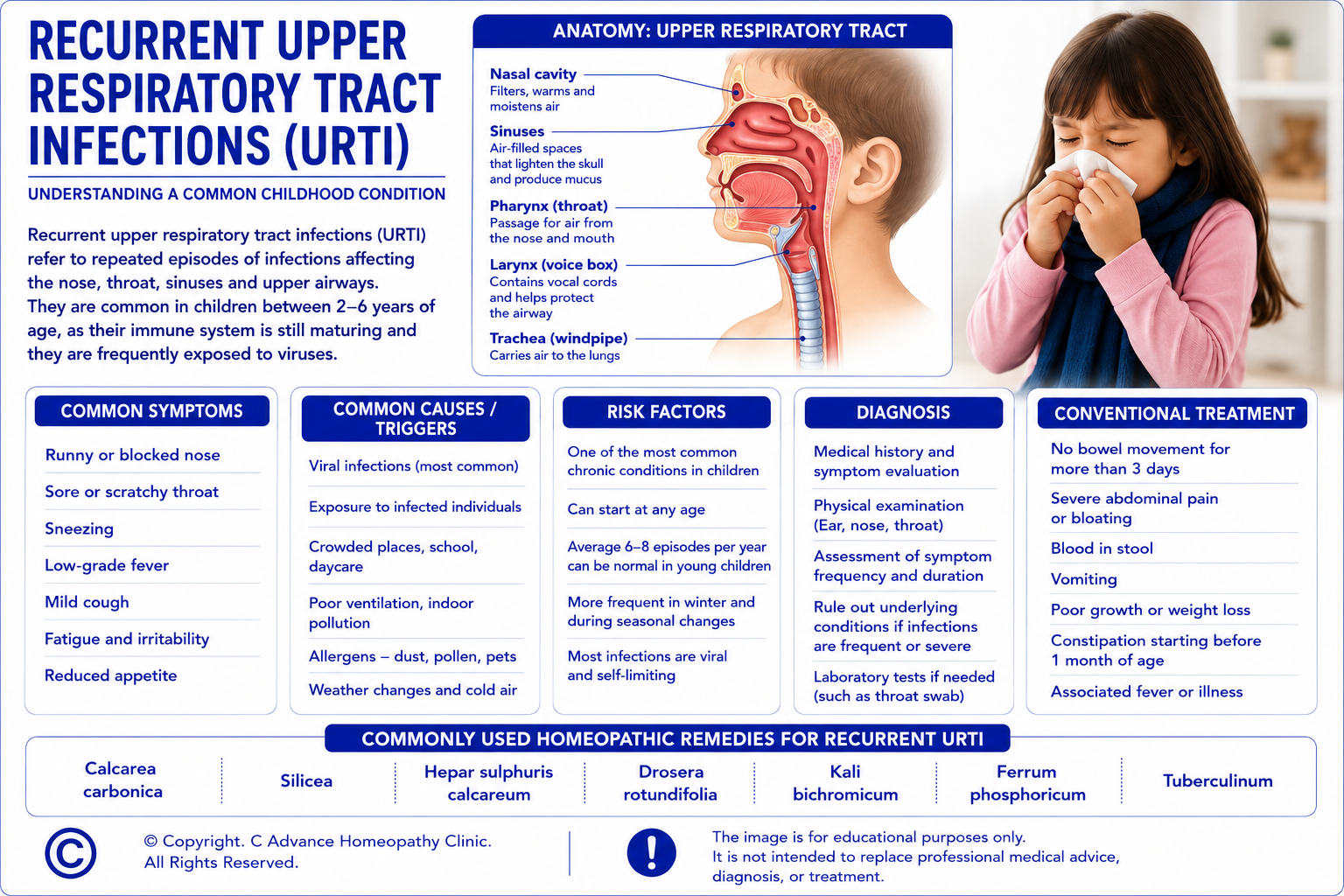
Recurrent Upper Respiratory Tract Infections (URTIs) are among the most frequent reasons children visit pediatricians. These infections affect the nose, nasal passages, sinuses, throat, and voice box and are most commonly caused by viruses responsible for the common cold and other seasonal respiratory illnesses. Because the immune system continues to mature during early childhood, several respiratory infections each year are generally considered a normal part of growing up, particularly in children attending daycare or school.
While most infections resolve completely without long-term consequences, some children experience infections that are unusually frequent, prolonged, severe, or associated with complications. In such situations, further medical evaluation may be required to identify contributing factors such as allergic diseases, asthma, nutritional deficiencies, immune disorders, chronic environmental exposures, or other underlying medical conditions.
Although recurrent respiratory infections are common in childhood, persistent or unusually severe episodes should not be considered normal without appropriate medical assessment. Establishing the correct diagnosis helps distinguish uncomplicated viral illnesses from bacterial infections or other disorders that may require specific treatment or further investigation.
Common Signs & Symptoms of Recurrent Upper Respiratory Tract Infections
Children with recurrent URTIs may experience one or more of the following:
- Recurrent episodes of the common cold
- Runny or blocked nose
- Sneezing
- Sore throat
- Fever during acute infections
- Hoarseness of voice
- Dry or productive cough
- Reduced appetite during illness
- Fatigue during acute episodes
- Frequent absence from school or daycare
Risk Factors for Recurrent Upper Respiratory Tract Infections
Several factors may increase the likelihood of recurrent URTIs, including:
- Young age
- Attendance at daycare or school
- Frequent exposure to respiratory viruses
- Passive exposure to tobacco smoke
- Indoor or outdoor air pollution
- Nutritional deficiencies
- Allergic diseases
- Asthma
- Underlying immune disorders
- Seasonal variation
Conventional Management of Recurrent Upper Respiratory Tract Infections
Management depends on the child's age, severity of symptoms, frequency of infections, and the underlying cause. Most viral infections require supportive care, whereas bacterial infections or associated medical conditions may require specific treatment.
Conventional management may include:
- Clinical evaluation by a pediatrician
- Assessment of infection frequency and severity
- Adequate fluids and rest
- Fever management where appropriate
- Nasal saline irrigation or saline drops
- Nutritional support
- Antibiotics only when bacterial infection is confirmed or strongly suspected
- Investigation for underlying medical conditions where clinically indicated
- Regular follow-up in children with recurrent or complicated infections
Homeopathic Medicines Commonly Considered
The following homeopathic medicines are among those traditionally considered by experienced homeopathic physicians. Medicine selection is individualized and depends on the child's complete clinical presentation rather than the diagnosis alone.
- Calcarea Carbonica
- Tuberculinum
- Baryta Carbonica
- Silicea
- Sulphur
- Lycopodium Clavatum
- Hepar Sulphuris Calcareum
- Mercurius Solubilis
Homeopathic medicines should only be prescribed by a qualified homeopathic physician after an individualized clinical evaluation.
Important: Complementary Care for Recurrent Upper Respiratory Tract Infections (URTI)
Recurrent Upper Respiratory Tract Infections (URTI) should always be evaluated and managed by a qualified pediatrician, family physician, pediatric ENT specialist, pediatric allergist, or appropriately trained healthcare professional to confirm the diagnosis, determine whether the frequency of infections is appropriate for the child's age, identify contributing factors, assess growth and development, and develop an individualized management plan. Comprehensive evaluation commonly includes a detailed medical history, assessment of growth and developmental milestones, nutritional evaluation, family history of allergic or immune disorders, review of daycare or school attendance, environmental exposure assessment, physical examination of the ears, nose, throat, and respiratory system, blood investigations where clinically indicated, allergy assessment when appropriate, immunological evaluation in selected children with unusually frequent or severe infections, and additional investigations based on the child's clinical presentation. Accurate diagnosis is essential because recurrent upper respiratory symptoms may also result from allergic rhinitis, adenoid hypertrophy, chronic sinusitis, asthma, immunodeficiency disorders, gastroesophageal reflux, congenital abnormalities of the upper airway, or other pediatric conditions, each requiring different management.
Children with recurrent uncomplicated Upper Respiratory Tract Infections may be considered for individualized homeopathic treatment as a complementary approach following appropriate pediatric evaluation. Homeopathy may be integrated alongside supportive pediatric care, adequate hydration, balanced nutrition, maintenance of routine childhood immunizations according to national recommendations, appropriate sleep, healthy lifestyle measures, avoidance of tobacco smoke exposure, management of allergic conditions where present, parental education, and regular follow-up with their pediatrician. Individualized homeopathic prescribing is based on the child's complete clinical presentation, constitutional characteristics, pattern and frequency of infections, growth and developmental status, family history, environmental exposures, associated medical conditions, lifestyle factors, and overall health rather than the diagnosis alone.
Parents should continue all recommended conventional treatment, including supportive care during viral illnesses, fever management where appropriate, nasal saline irrigation or saline drops, adequate fluid intake, nutritional support, prescribed medications, antibiotics only when bacterial infection is confirmed or strongly suspected, recommended investigations for recurrent or complicated infections, maintenance of routine immunizations, and regular pediatric follow-up. Homeopathy should not be regarded as a substitute for evidence-based pediatric care, particularly in children with recurrent bacterial infections, immunodeficiency disorders, chronic lung disease, congenital abnormalities, severe nutritional deficiency, recurrent hospital admissions, or other conditions requiring specialist pediatric management.
Children with persistent or unusually frequent respiratory infections, poor weight gain, delayed growth, recurrent ear infections, persistent nasal obstruction, chronic cough, prolonged fever, recurrent sinus infections, suspected allergic disease, uncertainty regarding the diagnosis, or evidence of underlying immunological or respiratory disorders should continue specialist pediatric, pediatric ENT, allergy, or immunology follow-up as appropriate. Homeopathy should not replace recommended laboratory investigations, allergy evaluation, immunological assessment, prescribed medications, immunization programmes, or other evidence-based pediatric treatments recommended by the treating specialist.
Children who develop severe breathing difficulty, persistent high fever associated with lethargy, bluish discoloration of the lips or face, inability to drink fluids, signs of severe dehydration, persistent vomiting, reduced level of consciousness, convulsions, rapidly progressive swelling of the neck or throat, difficulty swallowing associated with breathing problems, or any sudden deterioration in their condition should receive immediate emergency medical attention, as these symptoms may indicate severe bacterial infection, airway obstruction, epiglottitis, deep neck infection, meningitis, sepsis, severe dehydration, or another life-threatening pediatric emergency requiring urgent hospital-based evaluation and treatment.
3. Recurrent Lower Respiratory Tract Infections (LRTI)
What are Recurrent Lower Respiratory Tract Infections?
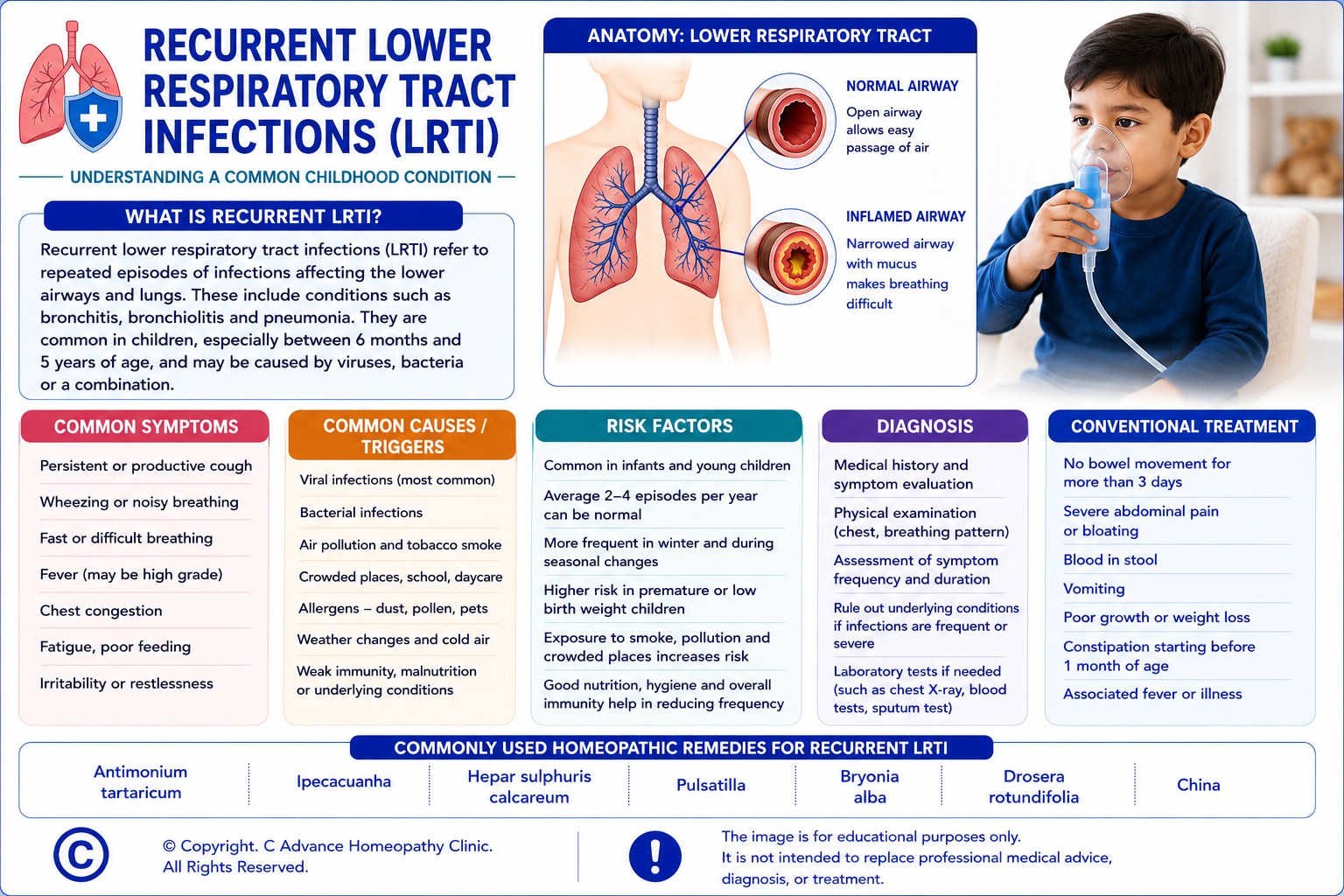
Lower Respiratory Tract Infections (LRTIs) involve the airways below the voice box, including the trachea, bronchi, bronchioles, and lungs. They include conditions such as bronchitis, bronchiolitis, and pneumonia. Most episodes in children are caused by viral infections, although bacterial infections may also occur depending on the child's age, immune status, and underlying medical condition.
Many children experience occasional lower respiratory tract infections during early childhood. However, when infections occur repeatedly, are unusually severe, require frequent hospital admissions, or are associated with poor growth or persistent respiratory symptoms, further medical evaluation is necessary to identify any underlying cause. Recurrent LRTIs may be associated with childhood asthma, congenital abnormalities of the airways, aspiration disorders, immune deficiencies, cystic fibrosis, primary ciliary dyskinesia, or other chronic respiratory conditions.
Early diagnosis is important because repeated infections may affect lung health, school attendance, physical activity, and overall quality of life. Appropriate medical assessment helps distinguish recurrent infections from other conditions that may present with similar symptoms, allowing timely treatment and long-term monitoring where required.
Common Signs & Symptoms of Recurrent Lower Respiratory Tract Infections
Children with recurrent LRTIs may experience one or more of the following:
- Recurrent cough
- Persistent productive cough
- Wheezing
- Shortness of breath
- Rapid breathing
- Fever during acute infections
- Chest discomfort
- Reduced activity during illness
- Recurrent episodes of bronchitis, bronchiolitis, or pneumonia
- Frequent hospital visits or repeated antibiotic treatment
Risk Factors for Recurrent Lower Respiratory Tract Infections
Several factors may increase the likelihood of recurrent LRTIs, including:
- Young age
- Attendance at daycare or school
- Exposure to tobacco smoke
- Air pollution
- Childhood asthma
- Premature birth
- Congenital heart or lung disease
- Immune deficiencies
- Nutritional deficiencies
- Chronic aspiration disorders
- Cystic fibrosis or other chronic respiratory diseases
Conventional Management of Recurrent Lower Respiratory Tract Infections
Management depends on the underlying cause, severity of illness, and frequency of recurrence. Children with repeated lower respiratory infections often require a comprehensive pediatric assessment to exclude underlying medical conditions.
Conventional management may include:
- Clinical evaluation by a pediatrician or pediatric pulmonologist
- Chest examination
- Chest X-ray when indicated
- Blood investigations where clinically appropriate
- Pulse oximetry
- Microbiological investigations in selected cases
- Appropriate antibiotic therapy for confirmed bacterial infections
- Bronchodilator therapy when indicated
- Pulmonary function testing in older children where appropriate
- Nutritional assessment
- Regular follow-up to monitor respiratory health and prevent complications
Homeopathic Medicines Commonly Considered for Recurrent Lower Respiratory Tract Infections
Some homeopathic medicines that may be considered by experienced homeopathic physicians include:
- Antimonium Tartaricum
- Hepar Sulphuris Calcareum
- Phosphorus
- Kali Carbonicum
- Lycopodium Clavatum
- Tuberculinum
- Calcarea Carbonica
- Silicea
Homeopathic medicines should only be prescribed by a qualified homeopathic physician after an individualized clinical evaluation.
Important: Complementary Care for Recurrent Lower Respiratory Tract Infections (LRTI)
Recurrent Lower Respiratory Tract Infections (LRTI) should always be evaluated and managed by a qualified pediatrician, pediatric pulmonologist, pediatric infectious disease specialist, or appropriately trained healthcare professional to confirm the diagnosis, identify the underlying cause of recurrent infections, assess the severity of respiratory involvement, evaluate growth and development, and develop an individualized long-term management plan. Comprehensive evaluation commonly includes a detailed medical history, assessment of growth and developmental milestones, nutritional evaluation, family history of respiratory or immunological disorders, physical examination of the respiratory system, chest X-ray where clinically indicated, blood investigations, pulse oximetry, pulmonary function testing (spirometry) in children able to perform the test, microbiological investigations when appropriate, immunological assessment in selected children, evaluation for aspiration disorders or congenital airway abnormalities where indicated, and additional investigations based on the child's clinical presentation. Accurate diagnosis is essential because recurrent lower respiratory infections may also result from childhood asthma, congenital heart disease, congenital lung abnormalities, cystic fibrosis, primary ciliary dyskinesia, gastroesophageal reflux with aspiration, immunodeficiency disorders, foreign body aspiration, or other chronic pediatric respiratory conditions, each requiring different management.
Children with stable Recurrent Lower Respiratory Tract Infections may be considered for individualized homeopathic treatment as a complementary approach following appropriate pediatric evaluation. Homeopathy may be integrated alongside prescribed medications, appropriate antibiotic therapy when bacterial infection is confirmed, bronchodilator therapy where indicated, nutritional optimization, maintenance of routine childhood immunizations according to national recommendations, avoidance of tobacco smoke exposure, healthy lifestyle measures, respiratory physiotherapy where appropriate, parental education, and regular follow-up with their pediatrician or pediatric pulmonologist. Individualized homeopathic prescribing is based on the child's complete clinical presentation, constitutional characteristics, pattern and frequency of respiratory infections, growth and developmental status, associated medical conditions, family history, environmental exposures, lifestyle factors, and overall health rather than the diagnosis alone.
Parents should continue all recommended conventional treatment, including pediatric assessment, prescribed medications, appropriate antibiotic therapy for confirmed bacterial infections, bronchodilator therapy when indicated, pulmonary function monitoring where appropriate, nutritional assessment, recommended investigations, immunization programmes, respiratory rehabilitation when indicated, and regular pediatric or pediatric pulmonology follow-up. Homeopathy should not be regarded as a substitute for evidence-based pediatric respiratory care, particularly in children with recurrent pneumonia, chronic lung disease, cystic fibrosis, immune deficiencies, congenital respiratory abnormalities, repeated hospital admissions, significant oxygen desaturation, or other respiratory disorders requiring specialist management.
Children with persistent cough between infections, recurrent pneumonia affecting the same area of the lung, poor weight gain, delayed growth, reduced exercise tolerance, chronic wheezing, persistent oxygen requirement, recurrent hospitalization, uncertainty regarding the diagnosis, or suspected underlying respiratory or immunological disorders should continue specialist pediatric respiratory follow-up and regular reassessment. Homeopathy should not replace recommended imaging studies, pulmonary function testing, microbiological investigations, immunological evaluation, prescribed medications, respiratory physiotherapy, or other evidence-based pediatric treatments recommended by the treating specialist.
Children who develop severe breathing difficulty, rapid breathing, bluish discoloration of the lips or face (cyanosis), persistent high fever with lethargy, inability to feed or drink, signs of severe dehydration, marked chest retractions, grunting respiration, reduced level of consciousness, seizures, poor response to prescribed treatment, or any sudden deterioration in their respiratory condition should receive immediate emergency medical attention, as these symptoms may indicate severe pneumonia, acute respiratory failure, empyema, sepsis, foreign body aspiration, severe bronchiolitis, or another life-threatening pediatric respiratory emergency requiring urgent hospital-based evaluation and treatment.
4. Chronic Constipation
What is Chronic Constipation?
Chronic constipation is one of the most common digestive problems in childhood and is characterised by infrequent bowel movements, difficulty passing stools, or the passage of hard, dry stools over a prolonged period. Although bowel habits vary between children according to age and diet, constipation becomes a medical concern when it causes pain, stool withholding, abdominal discomfort, faecal soiling, or affects the child's daily activities and quality of life.
In most children, chronic constipation is functional, meaning there is no underlying structural or serious medical disease affecting the intestines. It often begins after a painful bowel movement, causing the child to intentionally avoid passing stools. This stool-withholding behaviour allows stools to remain in the colon for longer periods, where more water is absorbed, making them harder, larger, and more difficult to pass. This creates a cycle of painful bowel movements and continued stool withholding that may persist unless appropriately managed.
Less commonly, constipation may result from underlying medical conditions such as congenital intestinal disorders, neurological diseases, endocrine disorders, certain medications, or metabolic abnormalities. For this reason, children with persistent constipation, delayed passage of meconium after birth, poor growth, blood in the stool without an obvious anal fissure, severe abdominal distension, or other concerning features require careful medical evaluation to exclude organic causes before treatment is planned.
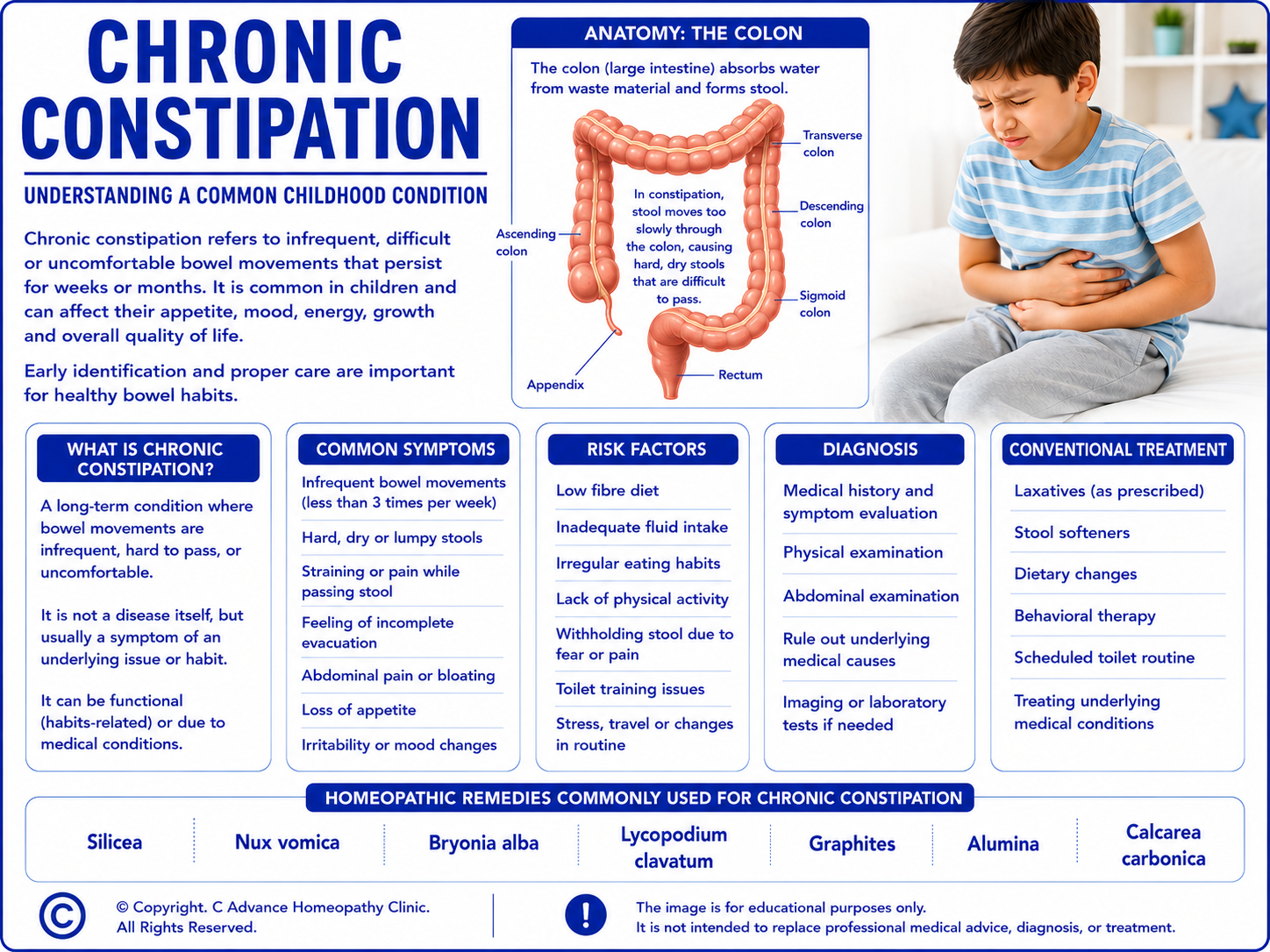
Common Signs & Symptoms of Chronic Constipation
Children with chronic constipation may experience one or more of the following:
- Infrequent bowel movements
- Hard, dry, or large stools
- Pain or straining during bowel movements
- Stool withholding behaviour
- Abdominal pain or bloating
- Painful anal fissures
- Blood on the surface of hard stools due to fissures
- Faecal soiling (encopresis)
- Reduced appetite
- Feeling of incomplete bowel emptying
Risk Factors for Chronic Constipation
Several factors may increase the likelihood of chronic constipation in children, including:
- Low dietary fibre intake
- Inadequate fluid intake
- Stool withholding after painful bowel movements
- Toilet training difficulties
- Changes in routine or environment
- Reduced physical activity
- Certain medications
- Family history of constipation
- Neurological or endocrine disorders in selected children
Conventional Management of Chronic Constipation
The primary goals of treatment are to relieve constipation, establish regular bowel habits, prevent stool withholding, and reduce the risk of recurrence.
Conventional management may include:
- Clinical evaluation by a pediatrician
- Assessment of bowel habits and dietary history
- Education regarding regular toilet routines
- Increased dietary fibre and adequate fluid intake
- Behavioural modification and toilet training support
- Osmotic or stimulant laxatives where clinically indicated
- Investigation for underlying medical conditions when appropriate
- Regular follow-up to monitor bowel habits and treatment response
Homeopathic Medicines Commonly Considered
The following homeopathic medicines are among those traditionally considered by experienced homeopathic physicians. Medicine selection is individualized and depends on the child's complete clinical presentation rather than the diagnosis alone.
- Alumina
- Bryonia Alba
- Nux Vomica
- Calcarea Carbonica
- Lycopodium Clavatum
- Silicea
- Opium
- Graphites
Homeopathic medicines should only be prescribed by a qualified homeopathic physician after an individualized clinical evaluation.
Important: Complementary Care for Chronic Constipation
Chronic Constipation should always be evaluated and managed by a qualified pediatrician, pediatric gastroenterologist, or appropriately trained healthcare professional to confirm the diagnosis, distinguish functional constipation from organic disease, identify contributing dietary, behavioural, developmental, or medical factors, assess growth and nutritional status, and develop an individualized management plan. Comprehensive evaluation commonly includes a detailed medical history, assessment of bowel habits, stool frequency and consistency, toilet training history, dietary and fluid intake, growth and developmental milestones, family history, medication review, physical examination including abdominal assessment, and additional investigations where clinically indicated such as blood investigations, thyroid function tests, screening for celiac disease, abdominal imaging, anorectal evaluation, or referral for specialized gastrointestinal assessment. Accurate diagnosis is essential because persistent constipation may also result from Hirschsprung disease, congenital anorectal abnormalities, hypothyroidism, celiac disease, spinal cord disorders, metabolic diseases, neurological conditions, medication-related constipation, or other gastrointestinal disorders, each requiring different management.
Children with functional Chronic Constipation may be considered for individualized homeopathic treatment as a complementary approach following appropriate pediatric evaluation. Homeopathy may be integrated alongside adequate dietary fibre intake, appropriate fluid consumption, behavioural modification, regular toilet routines, toilet training support where appropriate, healthy physical activity, nutritional guidance, prescribed medications, parental education, and regular follow-up with their pediatrician or pediatric gastroenterologist. Individualized homeopathic prescribing is based on the child's complete clinical presentation, constitutional characteristics, bowel habits, associated symptoms, growth and developmental status, dietary history, family history, lifestyle factors, emotional well-being, and overall health rather than the diagnosis alone.
Parents should continue all recommended conventional treatment, including dietary modification, adequate hydration, behavioural interventions, toilet training programmes, osmotic or stimulant laxatives where clinically indicated, management of stool-withholding behaviour, investigation of underlying medical conditions when appropriate, and regular pediatric follow-up to monitor treatment response and bowel function. Homeopathy should not be regarded as a substitute for evidence-based pediatric gastrointestinal care, particularly in children with constipation beginning during the neonatal period, Hirschsprung disease, severe fecal impaction, recurrent fecal soiling (encopresis), neurological disorders, endocrine disease, significant growth failure, or other gastrointestinal conditions requiring specialist management.
Children with persistent constipation despite appropriate treatment, severe stool-withholding behaviour, recurrent fecal impaction, persistent abdominal pain, poor weight gain, delayed growth, recurrent vomiting, abnormal physical examination findings, uncertainty regarding the diagnosis, or suspected organic gastrointestinal disease should continue specialist pediatric or pediatric gastroenterology follow-up and regular reassessment. Homeopathy should not replace recommended laboratory investigations, gastrointestinal evaluation, prescribed laxatives, bowel management programmes, behavioural interventions, or other evidence-based pediatric treatments recommended by the treating specialist.
Children who develop severe abdominal pain, persistent vomiting, marked abdominal distension, inability to pass stools or gas, blood in the stool without an obvious anal fissure, fever associated with severe abdominal symptoms, progressive lethargy, dehydration, constipation beginning shortly after birth with delayed passage of meconium, or any sudden deterioration in their condition should receive immediate emergency medical attention, as these symptoms may indicate intestinal obstruction, Hirschsprung disease, severe fecal impaction, bowel perforation, appendicitis, serious gastrointestinal infection, or another life-threatening pediatric abdominal emergency requiring urgent hospital-based evaluation and treatment.
5. Nocturnal Enuresis (Bedwetting)
What is Nocturnal Enuresis?
Nocturnal enuresis, commonly known as bedwetting, is the involuntary passage of urine during sleep in children who have reached an age at which bladder control would normally be expected. It is one of the most common childhood urinary conditions and may affect a child's confidence, emotional well-being, sleep quality, and participation in social activities such as sleepovers or school camps. Although many children gradually achieve nighttime bladder control as they grow, some continue to experience persistent bedwetting that requires medical evaluation and appropriate management.
Primary nocturnal enuresis refers to children who have never consistently remained dry at night, whereas secondary nocturnal enuresis develops after a child has previously remained dry for at least six months. Bedwetting may occur because nighttime urine production exceeds bladder capacity, bladder maturation is delayed, the child sleeps very deeply and does not respond to the sensation of a full bladder, or several of these factors occur together. Genetic predisposition also plays an important role, and children with one or both parents who experienced childhood bedwetting are more likely to develop the condition.
Although most cases are functional and improve with age, nocturnal enuresis may occasionally be associated with urinary tract infections, constipation, diabetes mellitus, sleep disorders, congenital urinary tract abnormalities, neurological disorders, or emotional stress. An appropriate medical evaluation helps identify these underlying causes and ensures that children receive the most appropriate treatment.

Common Signs & Symptoms of Nocturnal Enuresis
Children with nocturnal enuresis may experience one or more of the following:
- Bedwetting during sleep
- Wetting occurring several nights each week
- Deep sleep with difficulty waking
- Large volumes of urine passed during the night
- Embarrassment or reduced self-confidence
- Disturbed sleep for the child or family
- Anxiety about sleepovers or overnight school activities
- Daytime urinary urgency or frequency in some children
- Constipation occurring alongside bedwetting
- Recurrent urinary tract infections in selected cases
Risk Factors for Nocturnal Enuresis
Several factors may increase the likelihood of nocturnal enuresis, including:
- Family history of bedwetting
- Delayed bladder maturation
- Reduced functional bladder capacity
- Deep sleep patterns
- Constipation
- Urinary tract infections
- Diabetes mellitus
- Sleep-disordered breathing
- Emotional stress or major life changes
- Neurological or congenital urinary tract disorders
Conventional Management of Nocturnal Enuresis
Management depends on the child's age, severity of symptoms, associated medical conditions, and the impact on the child's quality of life. Many children improve gradually with reassurance and appropriate behavioural interventions, while others may benefit from additional treatment.
Conventional management may include:
- Clinical evaluation by a pediatrician
- Urinalysis and urine culture where indicated
- Assessment for constipation and bladder dysfunction
- Bladder diary and fluid intake assessment
- Behavioural and motivational therapy
- Bedwetting alarm therapy
- Bladder training exercises where appropriate
- Desmopressin for selected children
- Referral to a pediatric urologist when clinically indicated
- Regular follow-up to monitor progress
Homeopathic Medicines Commonly Considered
The following homeopathic medicines are among those traditionally considered by experienced homeopathic physicians. Medicine selection is individualized and depends on the child's complete clinical presentation rather than the diagnosis alone.
- Causticum
- Equisetum Hyemale
- Kreosotum
- Sepia
- Cina
- Benzoic Acid
- Pulsatilla Nigricans
- Sulphur
Homeopathic medicines should only be prescribed by a qualified homeopathic physician after an individualized clinical evaluation.
Important: Complementary Care for Nocturnal Enuresis (Bedwetting)
Nocturnal Enuresis (Bedwetting) should always be evaluated and managed by a qualified pediatrician, pediatric urologist, pediatric nephrologist, or appropriately trained healthcare professional to confirm the diagnosis, distinguish primary from secondary nocturnal enuresis, identify contributing medical or developmental factors, assess the impact on the child's emotional well-being and daily life, and develop an individualized management plan. Comprehensive evaluation commonly includes a detailed medical history, assessment of bladder and bowel habits, developmental milestones, family history of bedwetting, fluid intake patterns, sleep history, physical examination, urinalysis, urine culture where clinically indicated, bladder diary, assessment for constipation, evaluation for urinary tract infection or diabetes mellitus, and additional investigations such as renal and bladder ultrasonography or referral for specialized pediatric urological assessment when clinically indicated. Accurate diagnosis is essential because nocturnal enuresis may also be associated with urinary tract infections, constipation, diabetes mellitus, diabetes insipidus, sleep-disordered breathing, neurological disorders, congenital urinary tract abnormalities, emotional stress, or other pediatric conditions, each requiring different management.
Children with primary Nocturnal Enuresis may be considered for individualized homeopathic treatment as a complementary approach following appropriate pediatric evaluation. Homeopathy may be integrated alongside behavioural interventions, bladder training programmes, appropriate fluid management, treatment of constipation where present, bedwetting alarm therapy, healthy sleep routines, parental education and reassurance, prescribed medications when indicated, and regular follow-up with their pediatrician or pediatric urologist. Individualized homeopathic prescribing is based on the child's complete clinical presentation, constitutional characteristics, bladder function, developmental status, bowel habits, family history, sleep pattern, associated medical conditions, emotional well-being, lifestyle factors, and overall health rather than the diagnosis alone.
Parents should continue all recommended conventional treatment, including behavioural therapy, positive reinforcement programmes, bladder training exercises, bedwetting alarm therapy, treatment of constipation where indicated, desmopressin therapy in carefully selected children, recommended investigations, and regular pediatric follow-up to monitor progress and identify any underlying medical conditions. Homeopathy should not be regarded as a substitute for evidence-based pediatric care, particularly in children with secondary nocturnal enuresis, recurrent urinary tract infections, congenital urinary tract abnormalities, diabetes mellitus, neurological disorders, significant daytime urinary symptoms, or other conditions requiring specialist pediatric management.
Children with persistent bedwetting despite appropriate treatment, daytime urinary incontinence, recurrent urinary tract infections, abnormal urinary stream, excessive thirst, poor weight gain, constipation that fails to improve, abnormal physical examination findings, uncertainty regarding the diagnosis, or suspected urinary tract or neurological disease should continue specialist pediatric, pediatric urology, or pediatric nephrology follow-up and regular reassessment. Homeopathy should not replace recommended urinalysis, urine culture, bladder evaluation, behavioural interventions, bedwetting alarm therapy, prescribed medications, or other evidence-based pediatric treatments recommended by the treating specialist.
Children who develop pain during urination, blood in the urine, fever associated with urinary symptoms, inability to pass urine, severe abdominal or back pain, excessive thirst associated with weight loss, progressive weakness of the legs, loss of bladder or bowel control, reduced level of consciousness, or any sudden deterioration in their condition should receive immediate medical attention, as these symptoms may indicate urinary tract infection, acute urinary retention, diabetes mellitus, spinal cord disease, kidney infection (pyelonephritis), congenital urinary tract obstruction, or another serious pediatric medical emergency requiring urgent hospital-based evaluation and treatment.
A Note About Homeopathic Medicines
Homeopathic treatment is based on the principle of individualization. Rather than selecting medicines solely according to the medical diagnosis, a qualified homeopathic physician carefully evaluates each child's unique pattern of symptoms, growth and developmental history, constitutional characteristics, medical history, family history, environmental influences, associated medical conditions, and overall health before prescribing a homeopathic medicine.
For example, two children diagnosed with childhood asthma or chronic constipation may receive different homeopathic medicines because their symptoms, disease patterns, triggering factors, physical characteristics, emotional responses, family history, and overall constitution may differ considerably. Similarly, children experiencing recurrent respiratory infections or nocturnal enuresis may require different remedies despite having the same medical diagnosis.
Homeopathic treatment aims to support the individual child rather than focusing only on the name of the disease. Medicine selection is therefore highly individualized and should always be based on a comprehensive clinical assessment performed by a qualified homeopathic physician.
Although several homeopathic medicines have traditionally been used by homeopathic physicians in the management of childhood illnesses, there is no single homeopathic medicine that is appropriate for every child with the same diagnosis. Treatment decisions depend upon the complete clinical picture rather than isolated symptoms or disease labels.
Parents should avoid self-prescribing homeopathic medicines for chronic childhood illnesses without professional guidance. Children require careful medical evaluation, appropriate investigations where indicated, accurate diagnosis, and regular follow-up to ensure safe, responsible, and effective healthcare.
Why Choose Advance Homeopathy Clinic Dubai for Children's Health?
Choosing the right healthcare provider for a child involves more than selecting a treatment. Parents seek a clinic that takes the time to understand their child's health, performs a thorough clinical evaluation, works responsibly alongside conventional pediatric care, and develops an individualized management plan based on the child's unique healthcare needs.
At Advance Homeopathy Clinic Dubai, we provide individualized homeopathic consultations for children with a wide range of acute and chronic health conditions. Our approach combines the principles of classical homeopathy with careful clinical assessment, evidence-informed practice, and systematic long-term follow-up.
Our approach includes:
Comprehensive Individualized Consultations
Every child undergoes a detailed assessment that includes the presenting illness, growth and developmental history, medical history, family history, previous treatments, constitutional characteristics, environmental influences, and the overall pattern of symptoms before selecting a homeopathic medicine.
Structured Clinical Documentation
Each consultation is recorded using our standardized homeopathic case record and DHA-integrated electronic medical record (EMR) system. This structured documentation helps maintain accurate clinical records, facilitates continuity of care, and allows objective comparison of progress during follow-up consultations.
Careful Review of Medical Reports
Whenever available, we carefully review pediatric consultation notes, laboratory investigations, imaging studies, pulmonary function tests, growth records, vaccination history, and specialist reports to better understand the child's condition and support individualized clinical decision-making.
Individualized Homeopathic Prescribing
Homeopathic medicines are prescribed according to the child's complete clinical presentation rather than the diagnosis alone. Every prescription is based on a comprehensive clinical assessment and careful application of established homeopathic principles, recognising that children with the same diagnosis may require different medicines.
Complementary and Responsible Care
Homeopathy is provided as a complementary approach alongside conventional pediatric care. We encourage parents to continue prescribed medications, recommended investigations, vaccinations, nutritional guidance, developmental assessments, and regular follow-up with their pediatrician or other specialists whenever appropriate.
Long-Term Follow-Up and Outcome Monitoring
Many childhood conditions require ongoing review rather than a single consultation. We regularly assess changes in symptoms, frequency of illness, treatment response, growth, and overall clinical progress, allowing treatment to be reviewed and modified according to the child's changing healthcare needs.
Experienced Homeopathic Physicians
Our physicians have extensive experience in individualized homeopathic prescribing and the management of both acute and chronic childhood illnesses. Every child receives a comprehensive evaluation with careful attention to safety, responsible prescribing, and long-term clinical follow-up.
International Patient Care
We provide consultations for families living in Dubai, across the UAE, and internationally through both in-clinic and online consultation services, making individualized homeopathic care accessible regardless of geographical location.
Patient Education and Shared Decision-Making
We believe that informed parents make better healthcare decisions for their children. Throughout the consultation process, we explain the child's condition, review available medical reports when appropriate, discuss realistic treatment goals, and encourage parents to participate actively in decisions regarding their child's healthcare.
Our Commitment
Our goal is to provide compassionate, individualized, and responsible homeopathic care while working collaboratively with conventional pediatric practice. We believe that careful clinical evaluation, systematic documentation, open communication, and evidence-informed decision-making form the foundation of high-quality pediatric healthcare.
Whether your child is experiencing Childhood Asthma, Recurrent Upper Respiratory Tract Infections, Recurrent Lower Respiratory Tract Infections, Chronic Constipation, or Nocturnal Enuresis, our team is committed to providing individualized care tailored to your child's unique healthcare needs.
Frequently Asked Questions (FAQs)
Can homeopathy be used alongside my child's prescribed medications?
Yes. Homeopathy is commonly used as a complementary approach alongside conventional pediatric care. Parents should continue all prescribed medications, inhalers, bowel management programmes, behavioural therapies, and other treatments unless advised otherwise by their child's treating physician.
Can homeopathy help children with asthma?
Childhood asthma is a chronic inflammatory disease that requires accurate diagnosis and regular medical follow-up. Homeopathy may be considered as a complementary approach as part of an individualized treatment plan. Parents should continue prescribed inhalers, asthma action plans, and regular follow-up with their pediatrician or pediatric pulmonologist.
My child gets frequent coughs and colds. Is this normal?
Young children commonly experience several respiratory infections each year, particularly after starting daycare or school, as their immune system continues to mature. However, infections that are unusually frequent, prolonged, severe, associated with poor growth, or require repeated hospitalisation should be medically evaluated to exclude underlying conditions.
Can homeopathy replace antibiotics for childhood infections?
No. Antibiotics should be used whenever they are clinically indicated and prescribed by a qualified healthcare professional. Homeopathy should not replace appropriate medical treatment for confirmed bacterial infections or other serious illnesses requiring conventional care.
Can homeopathy help children with chronic constipation?
Many children with chronic constipation improve with appropriate dietary measures, behavioural interventions, and conventional medical management. Homeopathy may be considered as part of an individualized treatment plan following a comprehensive clinical assessment. Parents should continue dietary advice, hydration, toilet training programmes, and prescribed laxatives when recommended by their pediatrician.
My child wets the bed at night. Should I be worried?
Bedwetting is common in childhood and often improves as bladder control matures. However, children with persistent bedwetting, daytime urinary symptoms, recurrent urinary tract infections, excessive thirst, weight loss, or bedwetting that begins after a prolonged dry period should undergo medical evaluation to identify any underlying cause.
How are homeopathic medicines selected for children?
Homeopathic medicines are selected according to the child's complete clinical presentation rather than the diagnosis alone. The physician considers the child's medical history, symptom pattern, constitutional characteristics, growth and developmental history, family history, environmental influences, and overall health before prescribing an individualized medicine.
Are homeopathic medicines safe for children?
Homeopathic medicines should only be prescribed after evaluation by a qualified homeopathic physician. Children with chronic or recurrent illnesses require an accurate medical diagnosis, appropriate investigations where indicated, and regular follow-up. Parents should never delay emergency medical care or discontinue prescribed treatments without consulting their child's treating physician.
How long does homeopathic treatment usually take?
The duration of treatment varies depending on the child's diagnosis, duration of illness, severity of symptoms, associated medical conditions, response to treatment, and overall health. During the consultation, the physician will discuss realistic expectations and recommend an individualized follow-up plan.
Do I need medical investigations before starting homeopathic treatment?
Not every child requires additional investigations before treatment. However, if laboratory reports, chest X-rays, pulmonary function tests, urine examinations, growth records, or specialist consultation reports are available, they are valuable in understanding the child's condition and monitoring progress over time.
Can consultations be conducted online?
Yes. Many follow-up consultations and selected new patient consultations can be conducted online, particularly when previous medical records and investigation reports are available. However, children with severe symptoms or those requiring physical examination may need an in-clinic assessment or urgent medical evaluation.
When should I seek urgent medical attention instead of waiting for an appointment?
Parents should seek immediate medical care if a child develops severe breathing difficulty, bluish discoloration of the lips or face, persistent high fever with lethargy, convulsions, persistent vomiting, signs of severe dehydration, severe abdominal pain, blood in the stool or urine, reduced consciousness, or any sudden deterioration in the child's condition. These situations require prompt medical assessment and should not be managed at home alone.
Research in Homeopathy and Pediatric Disorders
Research Overview
Homeopathy has been investigated as a complementary approach in the management of selected pediatric conditions, particularly those involving recurrent respiratory illnesses, childhood asthma, functional gastrointestinal disorders, and selected functional urinary disorders. Published research has explored individualized homeopathic treatment in children with Childhood Asthma, Recurrent Upper Respiratory Tract Infections (URTI), Recurrent Lower Respiratory Tract Infections (LRTI), Chronic Constipation, Nocturnal Enuresis (Bedwetting), recurrent otitis media, allergic disorders, and other common childhood illnesses. The quantity and quality of available evidence, however, vary considerably between individual pediatric conditions.
The available scientific literature includes randomized controlled trials, observational studies, pragmatic clinical studies, cohort studies, case series, systematic reviews, and narrative reviews. Most published studies have evaluated outcomes such as frequency of recurrent illnesses, symptom severity, quality of life, school attendance, medication use, healthcare utilization, parental satisfaction, and patient-reported clinical improvement, rather than objective measures such as lung growth, immune system maturation, long-term organ development, prevention of chronic respiratory disease, or sustained physiological changes.
Among pediatric conditions, Childhood Asthma and recurrent respiratory tract infections have received the greatest research attention because they are among the most common chronic childhood illnesses worldwide. Published studies have also explored homeopathic treatment for functional constipation and nocturnal enuresis, although comparatively fewer high-quality clinical trials are available for these conditions. The evidence for many pediatric disorders remains limited and consists largely of smaller clinical studies, observational research, and case reports.
Because individualized homeopathic prescribing is based on each child's complete clinical presentation, constitutional characteristics, growth and developmental status, family history, environmental influences, associated medical conditions, and overall health rather than the diagnosis alone, evaluating individualized treatment using conventional randomized clinical trial methodology presents important methodological challenges. Consequently, the available evidence should be interpreted with appropriate consideration of both its strengths and its limitations.
Current State of Research
Published pediatric research includes randomized controlled trials, observational studies, pragmatic clinical studies, systematic reviews, and meta-analyses evaluating homeopathy as a complementary intervention alongside conventional pediatric care. Some individual studies have reported improvements in symptom control, frequency of recurrent illnesses, quality of life, school attendance, medication use, parental satisfaction, and overall clinical well-being among selected children receiving individualized homeopathic treatment in addition to standard medical management.
However, the overall body of scientific evidence remains limited, heterogeneous, and condition specific. Many published studies involve relatively small sample sizes, variability in patient selection, individualized prescribing approaches, differences in conventional treatment protocols, inconsistent outcome measures, short follow-up periods, and methodological limitations that reduce the certainty of their findings. Importantly, most studies evaluate clinical and functional outcomes, such as symptom frequency or quality of life, rather than demonstrating objective improvements in immune maturation, lung development, prevention of chronic disease, long-term respiratory function, neurological development, or other physiological outcomes.
Systematic reviews generally conclude that current evidence is insufficient to establish homeopathy as an effective treatment for pediatric disorders or to recommend its routine use as part of standard pediatric practice. While some individual studies have reported encouraging findings in children with recurrent respiratory illnesses, asthma, and selected functional disorders, further well-designed, adequately powered, independently replicated clinical trials using standardized pediatric diagnostic criteria, validated outcome measures, longer follow-up, and clinically meaningful pediatric endpoints are required before firm conclusions can be drawn regarding the role of individualized homeopathic care in children.
Current international pediatric guidelines continue to recommend accurate diagnosis, routine immunization according to national schedules, monitoring of growth and developmental milestones, nutritional support, age-appropriate investigations, pharmacological treatment when indicated, behavioural interventions where appropriate, specialist referral when required, and regular pediatric follow-up as the foundation of modern pediatric healthcare. Complementary therapies, including homeopathy, should therefore be regarded only as supportive approaches that may be considered alongside—but never as replacements for—evidence-based pediatric treatment.
Our Clinical Perspective
At Advance Homeopathy Clinic Dubai, we believe that successful pediatric care begins with accurate diagnosis, support of healthy growth and development, preservation of normal physical and emotional well-being, prevention of complications, timely evidence-based treatment, and close collaboration with parents and pediatric specialists whenever required. Modern pediatric medicine has greatly improved child health through advances in preventive care, immunization, pediatric respiratory medicine, nutrition, developmental assessment, diagnostic investigations, and evidence-based treatment of childhood illnesses. These established medical interventions should never be delayed or replaced by complementary therapies when medically indicated.
Our role is to provide individualized homeopathic care as a complementary approach, integrated within each child's overall pediatric management plan. Every child undergoes a comprehensive assessment that includes the confirmed medical diagnosis, growth and developmental history, pattern of illness, nutritional status, immunization history, family history, physical examination findings, laboratory or imaging investigations where available, constitutional characteristics, environmental influences, lifestyle, emotional well-being, and overall health before an individualized homeopathic medicine is selected.
Throughout this article, we have consistently emphasized that homeopathy is presented only as a complementary approach within modern pediatric care. We do not present homeopathy as a substitute for pediatric evaluation, routine immunization, growth monitoring, nutritional assessment, prescribed medications, inhalers, antibiotics when clinically indicated, bowel management programmes, behavioural therapy, bedwetting alarm therapy, or any other evidence-based pediatric treatment recommended by the treating physician.
Children with Childhood Asthma, Recurrent Upper or Lower Respiratory Tract Infections, Chronic Constipation, or Nocturnal Enuresis should continue regular pediatric follow-up, recommended investigations, prescribed medications, nutritional guidance, developmental monitoring, and specialist care whenever indicated. Parents should seek prompt reassessment if symptoms become more frequent, more severe, interfere with growth, development, school attendance, or daily activities, or fail to improve with appropriate medical management.
Children who develop severe breathing difficulty, bluish discoloration of the lips or face, persistent high fever with lethargy, convulsions, persistent vomiting with inability to retain fluids, signs of severe dehydration, severe abdominal pain, blood in the stool or urine, reduced consciousness, rapidly progressive illness, or any sudden deterioration in their condition should receive immediate emergency medical attention, as these situations may represent severe asthma exacerbation, pneumonia, meningitis, sepsis, acute abdominal emergencies, severe dehydration, urinary tract complications, or other life-threatening pediatric illnesses requiring urgent hospital-based evaluation and treatment.
Our approach combines individualized homeopathic prescribing, careful pediatric assessment, collaboration with pediatricians, pediatric pulmonologists, pediatric gastroenterologists, pediatric nephrologists, pediatric urologists, and other healthcare professionals whenever appropriate, together with an evidence-informed understanding of current pediatric research. As scientific knowledge continues to evolve, we remain committed to integrating emerging evidence into clinical practice while maintaining the principles of individualized patient care, child safety, responsible integrative healthcare, and ethical medical practice.
Bottom of Form
