
Neurology (Brain & Nerve Disorders): Individualized Homeopathic Care in Dubai
Comprehensive Homeopathic Care for Brain and Nerve Disorders in Dubai
The nervous system is one of the most complex systems in the human body, controlling movement, sensation, memory, thinking, coordination, speech, balance, and the functioning of nearly every organ. Disorders affecting the brain, spinal cord, cranial nerves, and peripheral nerves may result in symptoms such as headaches, facial pain, numbness, tingling, weakness, tremors, balance problems, muscle stiffness, or difficulty with movement and coordination. While some neurological conditions are temporary and reversible, others are chronic disorders that require long-term medical care and regular monitoring.
At Advance Homeopathy Clinic Dubai, we provide individualized homeopathic care for patients with a variety of neurological conditions, including Migraine, Tension-Type Headache, Cervicogenic Headache, Trigeminal Neuralgia, Bell's Palsy, Peripheral Neuropathy, Restless Legs Syndrome, Post-Herpetic Neuralgia, Multiple Sclerosis (supportive care), and Parkinson's Disease (supportive care). Homeopathic treatment aims to support the individual's overall health by considering the complete symptom picture, constitutional characteristics, medical history, and overall well-being rather than focusing solely on the neurological diagnosis.
Homeopathy is offered as a complementary approach alongside conventional neurological care. Our goal is to support symptom management, improve quality of life, and promote overall well-being while encouraging patients to continue appropriate medical investigations, prescribed medications, rehabilitation programmes, physiotherapy, and regular follow-up with their neurologist or other healthcare professionals whenever required.
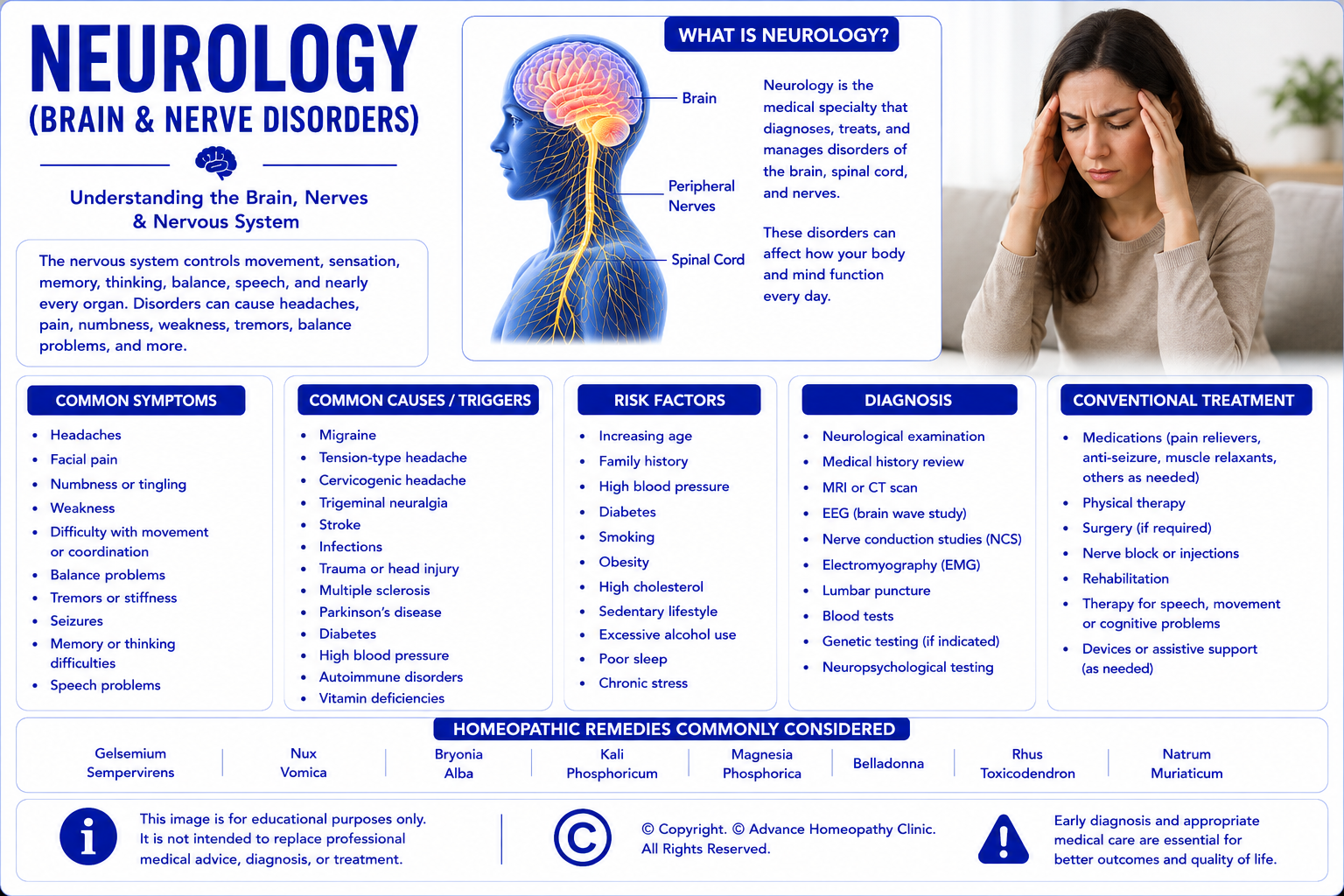
Understanding Brain & Nerve Disorders
The nervous system consists of the brain, spinal cord, cranial nerves, and peripheral nerves, which work together to coordinate movement, sensation, thinking, memory, speech, balance, and the normal functioning of internal organs. Any disorder affecting these structures can interfere with communication between the brain and the rest of the body, producing a wide range of neurological symptoms.
Neurological disorders may develop through several different mechanisms, including:
- Disorders of nerve function
- Inflammation affecting the nervous system
- Degenerative neurological diseases
- Autoimmune disorders
- Blood vessel disorders affecting the brain
- Viral or bacterial infections
- Trauma or injury
- Compression of nerves
- Metabolic disorders such as diabetes
- Genetic and inherited conditions
Some neurological conditions develop suddenly, while others progress gradually over many years. Early diagnosis is often essential because timely treatment may help reduce complications, preserve neurological function, improve long-term outcomes, and enhance quality of life. Modern neurology uses detailed clinical examination together with advanced investigations to establish an accurate diagnosis and guide evidence-based treatment.
How Homeopathy May Support Neurological Disorders
Homeopathy is an individualized system of medicine in which treatment is selected according to the patient's unique symptom pattern rather than the neurological diagnosis alone. During consultation, the homeopathic physician evaluates neurological complaints together with constitutional characteristics, medical history, emotional well-being, lifestyle, associated medical conditions, and the overall pattern of symptoms before selecting an appropriate remedy.
Depending on the individual's clinical presentation, homeopathic treatment may be considered as a complementary approach for patients experiencing:
- Recurrent migraine attacks
- Tension-type headaches
- Neck-related headaches
- Facial nerve pain
- Facial muscle weakness
- Peripheral nerve symptoms such as numbness or tingling
- Burning or shooting nerve pain
- Restless legs symptoms
- Post-herpetic nerve pain
- Tremors and movement-related symptoms (supportive care)
- Muscle stiffness and slowness of movement (supportive care)
- Balance and coordination difficulties (supportive care)
Homeopathy complements conventional neurological care and should not replace appropriate medical investigations, prescription medications, physiotherapy, rehabilitation programmes, surgical treatment, or other evidence-based interventions whenever these are medically indicated.
1. Migraine
What is Migraine?
Migraine is a common neurological disorder characterized by recurrent attacks of moderate to severe headache, often affecting one side of the head and frequently accompanied by nausea, vomiting, and increased sensitivity to light, sound, or smells. Migraine is much more than an ordinary headache; it is a complex neurological condition that can significantly interfere with work, education, family life, and overall quality of life.
Some individuals experience an aura before the headache begins, which may include temporary visual disturbances such as flashing lights, blind spots, zigzag lines, tingling sensations, or difficulty speaking. Others develop migraine without aura. Attacks may last from a few hours to several days, and their frequency varies considerably between individuals.
The exact cause of migraine is not fully understood but is believed to involve abnormal brain activity, activation of the trigeminal nerve pathway, changes in pain-processing mechanisms within the brain, and genetic susceptibility. Environmental, hormonal, dietary, and lifestyle factors may also trigger migraine attacks in predisposed individuals.
Modern neurology focuses on identifying migraine triggers, reducing the frequency and severity of attacks, preventing disability, and improving quality of life through evidence-based medical treatment. Many individuals also explore complementary therapies while continuing conventional neurological care.

Common Signs & Symptoms of Migraine
- Moderate to severe headache
- Throbbing or pulsating headache
- Headache affecting one side or both sides of the head
- Nausea or vomiting
- Sensitivity to light (photophobia)
- Sensitivity to sound (phonophobia)
- Sensitivity to smells (osmophobia)
- Visual aura such as flashing lights, blind spots, or zigzag lines (in some patients)
- Dizziness or light-headedness
- Headache aggravated by routine physical activity
Risk Factors for Migraine
- Family history of migraine
- Female gender
- Hormonal fluctuations
- Emotional stress
- Sleep disturbances
- Dehydration
- Certain foods and beverages
- Bright lights or strong smells
- Weather changes
- Excessive or insufficient caffeine
- Certain medications
Conventional Management of Migraine
Treatment depends on the frequency, severity, associated symptoms, and impact of migraine attacks on daily life.
Conventional management commonly includes:
- Identification and avoidance of migraine triggers
- Regular sleep and lifestyle modification
- Adequate hydration
- Stress management
- Acute pain-relieving medications
- Triptans for suitable patients
- Preventive migraine medications for frequent attacks
- CGRP-targeted therapies for selected patients
- Botulinum toxin injections for chronic migraine where indicated
- Regular follow-up with a neurologist
Homeopathic Medicines Commonly Considered for Migraine
Some homeopathic medicines that experienced homeopathic physicians may consider as part of an individualized treatment plan include:
- Belladonna
- Sanguinaria Canadensis
- Iris Versicolor
- Natrum Muriaticum
- Glonoinum
- Spigelia Anthelmia
- Gelsemium Sempervirens
- Bryonia Alba
Homeopathic medicines should only be prescribed by a qualified homeopathic physician after an individualized clinical evaluation.
Important: Complementary Care for Migraine
Migraine should always be evaluated and managed by a qualified neurologist or appropriately trained healthcare professional to confirm the diagnosis, distinguish migraine from other primary or secondary headache disorders, identify migraine subtype, assess attack frequency and disability, recognize potential triggers, and develop an individualized long-term management plan. Comprehensive evaluation commonly includes detailed clinical history, comprehensive neurological examination, headache diary, assessment of migraine triggers, medication review, and brain Magnetic Resonance Imaging (MRI) or Computed Tomography (CT) when clinically indicated to exclude secondary causes of headache. Additional investigations may be required depending on the patient's clinical presentation. Accurate diagnosis is essential because headaches may also result from intracranial haemorrhage, brain tumours, meningitis, temporal arteritis, cerebrovascular disease, medication-overuse headache, cervical spine disorders, or other neurological conditions, each requiring different management.
Patients with episodic or stable Migraine may be considered for individualized homeopathic treatment as a complementary approach following appropriate neurological evaluation. Homeopathy may be integrated alongside identification and avoidance of migraine triggers, adequate hydration, regular sleep, healthy dietary habits, stress management, regular physical activity, prescribed acute and preventive migraine medications, behavioural therapies where appropriate, and regular follow-up with their neurologist or primary care physician. Individualized homeopathic prescribing is based on the patient's complete clinical presentation, constitutional characteristics, migraine pattern, associated neurological symptoms, medical history, lifestyle factors, emotional well-being, and overall health rather than the diagnosis alone.
Patients should continue all recommended conventional treatment, including acute migraine medications, preventive migraine therapy where indicated, calcitonin gene-related peptide (CGRP)-targeted therapies in appropriately selected patients, botulinum toxin injections for chronic migraine where clinically indicated, lifestyle modification, management of medication-overuse headache, and regular neurological follow-up. Homeopathy should not be regarded as a substitute for evidence-based neurological care, particularly in patients with chronic migraine, status migrainosus, hemiplegic migraine, migraine with brainstem aura, significant neurological deficits, medication-overuse headache, or other neurological disorders requiring specialist management.
Patients with frequent disabling migraine attacks despite appropriate treatment, chronic migraine occurring on 15 or more headache days per month, progressive change in headache pattern, persistent neurological symptoms, recurrent emergency department visits, significant functional impairment, or uncertainty regarding the diagnosis should continue specialist neurological care and regular monitoring. Homeopathy should not replace recommended neuroimaging, preventive migraine therapy, specialist headache management, or other evidence-based neurological interventions when these are advised by the treating neurologist.
Patients who develop a sudden severe "thunderclap" headache, new headache associated with weakness, numbness, difficulty speaking, confusion, seizures, loss of consciousness, persistent vomiting, fever with neck stiffness, visual loss, headache following significant head injury, rapidly progressive neurological symptoms, or any sudden deterioration in their general condition should seek immediate emergency medical attention, as these symptoms may indicate subarachnoid haemorrhage, stroke, meningitis, encephalitis, brain tumour, cerebral venous sinus thrombosis, or another life-threatening neurological emergency requiring urgent hospital-based evaluation and treatment.
2. Tension-Type Headache
What is Tension-Type Headache?
Tension-Type Headache (TTH) is the most common primary headache disorder worldwide. It is typically characterized by mild to moderate pain or pressure that feels like a tight band around the head. Unlike migraine, tension-type headaches are usually not associated with significant nausea or vomiting, and most individuals are able to continue their daily activities despite the discomfort.
The exact cause of Tension-Type Headache is not fully understood but is believed to involve increased sensitivity of pain pathways within the central nervous system together with muscle tension around the scalp, neck, and shoulders. Emotional stress, anxiety, fatigue, prolonged computer use, poor posture, inadequate sleep, and eye strain are common contributing factors. Headaches may occur occasionally (episodic) or become frequent and persistent (chronic), affecting work performance, productivity, and overall quality of life.
Modern neurology focuses on identifying contributing factors, excluding secondary causes of headache, reducing headache frequency, relieving symptoms, and preventing progression to chronic daily headache. Many individuals also seek complementary therapies while continuing evidence-based neurological care.
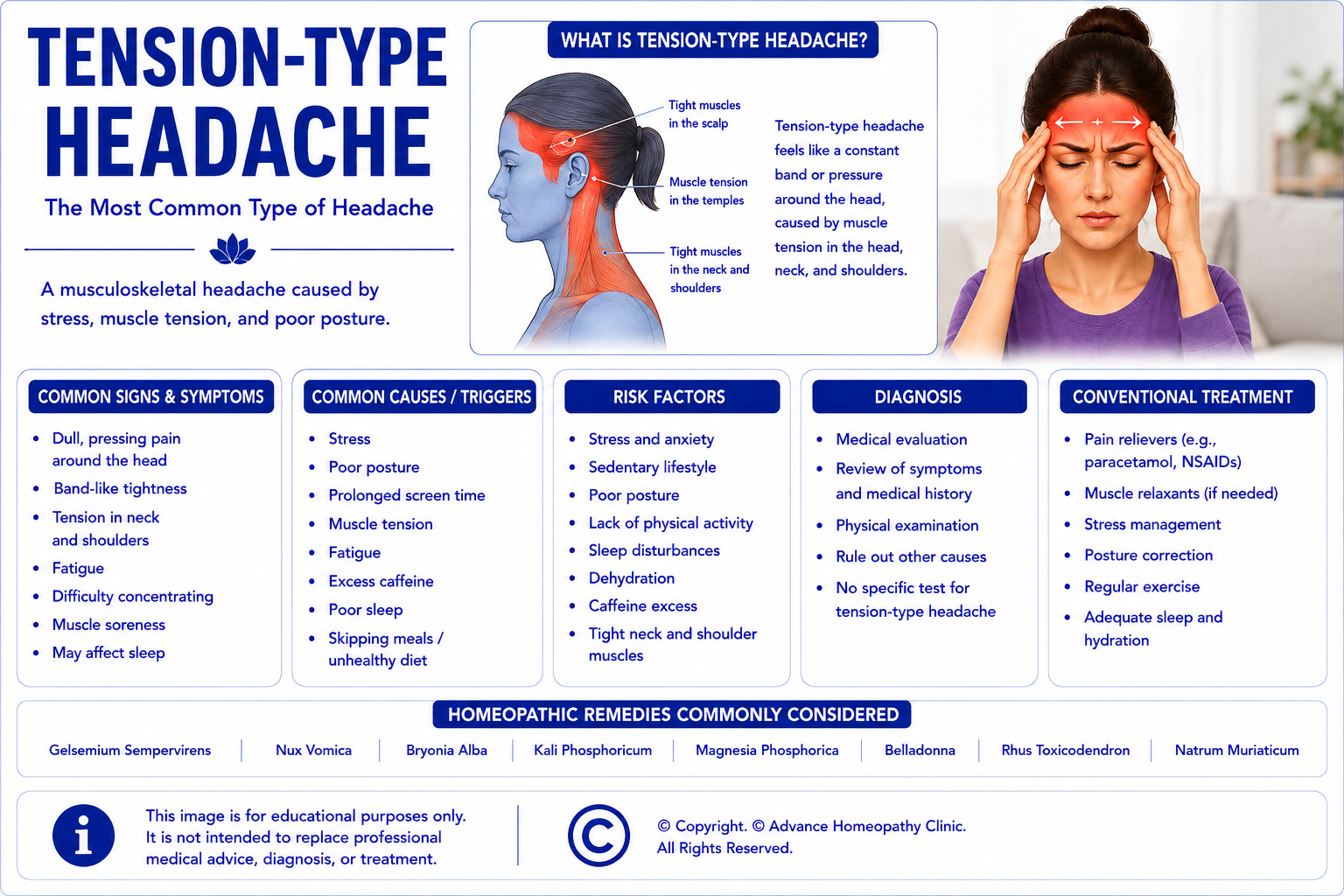
Common Signs & Symptoms of Tension-Type Headache
- Dull, aching headache
- Feeling of tightness or pressure around the forehead or back of the head
- Band-like sensation around the head
- Mild to moderate headache intensity
- Tenderness of the scalp, neck, or shoulder muscles
- Bilateral headache affecting both sides of the head
- Headache that gradually develops during the day
- Neck stiffness or muscle tightness
- Fatigue or difficulty concentrating during prolonged headaches
- Usually not associated with nausea or vomiting
Risk Factors for Tension-Type Headache
- Emotional stress
- Anxiety or depression
- Poor posture
- Prolonged computer or desk work
- Neck and shoulder muscle strain
- Sleep deprivation
- Eye strain
- Fatigue
- Irregular meals
- Excessive caffeine consumption or withdrawal
- Family history of headache disorders
Conventional Management of Tension-Type Headache
Treatment depends on the frequency, severity, and underlying contributing factors.
Conventional management commonly includes:
- Identification and management of headache triggers
- Stress reduction techniques
- Regular physical activity
- Stretching and posture correction exercises
- Physiotherapy where indicated
- Adequate sleep and sleep hygiene
- Ergonomic workplace modifications
- Simple analgesic medications when appropriate
- Preventive medications for chronic tension-type headache
- Psychological therapies such as cognitive behavioural therapy (CBT) for selected individuals
- Regular follow-up with a neurologist or primary care physician
Homeopathic Medicines Commonly Considered for Tension-Type Headache
Some homeopathic medicines that experienced homeopathic physicians may consider as part of an individualized treatment plan include:
- Gelsemium Sempervirens
- Bryonia Alba
- Nux Vomica
- Belladonna
- Cocculus Indicus
- Ignatia Amara
- Natrum Muriaticum
- Cimicifuga (Actaea Racemosa)
Homeopathic medicines should only be prescribed by a qualified homeopathic physician after an individualized clinical evaluation.
Important: Complementary Care for Tension-Type Headache
Tension-Type Headache (TTH) should always be evaluated and managed by a qualified neurologist, primary care physician, or appropriately trained healthcare professional to confirm the diagnosis, distinguish it from migraine and secondary headache disorders, identify contributing physical or psychological factors, assess headache frequency and disability, and develop an individualized management plan. Comprehensive evaluation commonly includes detailed clinical history, neurological examination, assessment of headache characteristics and potential triggers, evaluation of posture and cervical muscle dysfunction where appropriate, medication review, and brain Magnetic Resonance Imaging (MRI) or Computed Tomography (CT) only when clinically indicated to exclude secondary causes of headache. Accurate diagnosis is essential because headaches may also result from intracranial pathology, meningitis, temporal arteritis, medication-overuse headache, cervical spine disorders, raised intracranial pressure, or other neurological conditions, each requiring different management.
Patients with episodic or stable Tension-Type Headache may be considered for individualized homeopathic treatment as a complementary approach following appropriate neurological evaluation. Homeopathy may be integrated alongside stress reduction, regular sleep, ergonomic workplace modification, posture correction, stretching and strengthening exercises, physiotherapy where indicated, regular physical activity, healthy lifestyle modification, psychological support where appropriate, prescribed medications, and regular follow-up with their healthcare provider. Individualized homeopathic prescribing is based on the patient's complete clinical presentation, constitutional characteristics, headache pattern, associated symptoms, medical history, lifestyle factors, emotional well-being, and overall health rather than the diagnosis alone.
Patients should continue all recommended conventional treatment, including identification and management of headache triggers, appropriate use of analgesics, preventive medications for chronic Tension-Type Headache when indicated, physiotherapy, posture correction, behavioural therapies such as cognitive behavioural therapy (CBT) where appropriate, stress management, and regular neurological or primary care follow-up. Homeopathy should not be regarded as a substitute for evidence-based neurological care, particularly in patients with chronic daily headache, medication-overuse headache, persistent headaches with atypical features, progressive neurological symptoms, or suspected secondary headache disorders.
Patients with frequent or chronic headaches despite appropriate treatment, progressive change in headache pattern, persistent neurological symptoms, recurrent disability affecting work or daily activities, uncertainty regarding the diagnosis, or abnormal neurological examination findings should continue specialist neurological care and regular monitoring. Homeopathy should not replace recommended neuroimaging, neurological investigations, rehabilitation programmes, psychological therapies, or other evidence-based neurological interventions when these are advised by the treating physician.
Patients who develop a sudden severe headache, headache associated with fever, neck stiffness, seizures, weakness, numbness, difficulty speaking, visual disturbances, confusion, loss of consciousness, headache following significant head injury, or any sudden deterioration in their neurological condition should seek immediate emergency medical attention, as these symptoms may indicate subarachnoid haemorrhage, meningitis, encephalitis, stroke, intracranial haemorrhage, brain tumour, or another life-threatening neurological emergency requiring urgent hospital-based evaluation and treatment.
3. Cervicogenic Headache
What is Cervicogenic Headache?
Cervicogenic Headache is a secondary headache disorder in which pain originates from structures within the cervical spine (neck), including the vertebral joints, intervertebral discs, muscles, ligaments, or nerves. Although the pain is felt in the head, the underlying source is the neck. It commonly develops following neck injury, degenerative changes of the cervical spine, prolonged poor posture, or disorders affecting the upper cervical joints.
The headache typically begins in the neck or the back of the head and may radiate to the forehead, temples, around the eye, or one side of the face. Neck movement or maintaining the same posture for prolonged periods often aggravates the pain, and many patients experience restricted neck mobility together with muscle stiffness.
Modern neurology and musculoskeletal medicine focus on identifying the underlying cervical disorder, excluding other causes of headache, relieving pain, restoring neck function, and improving quality of life through individualized treatment. Many individuals also explore complementary therapies while continuing conventional medical care.
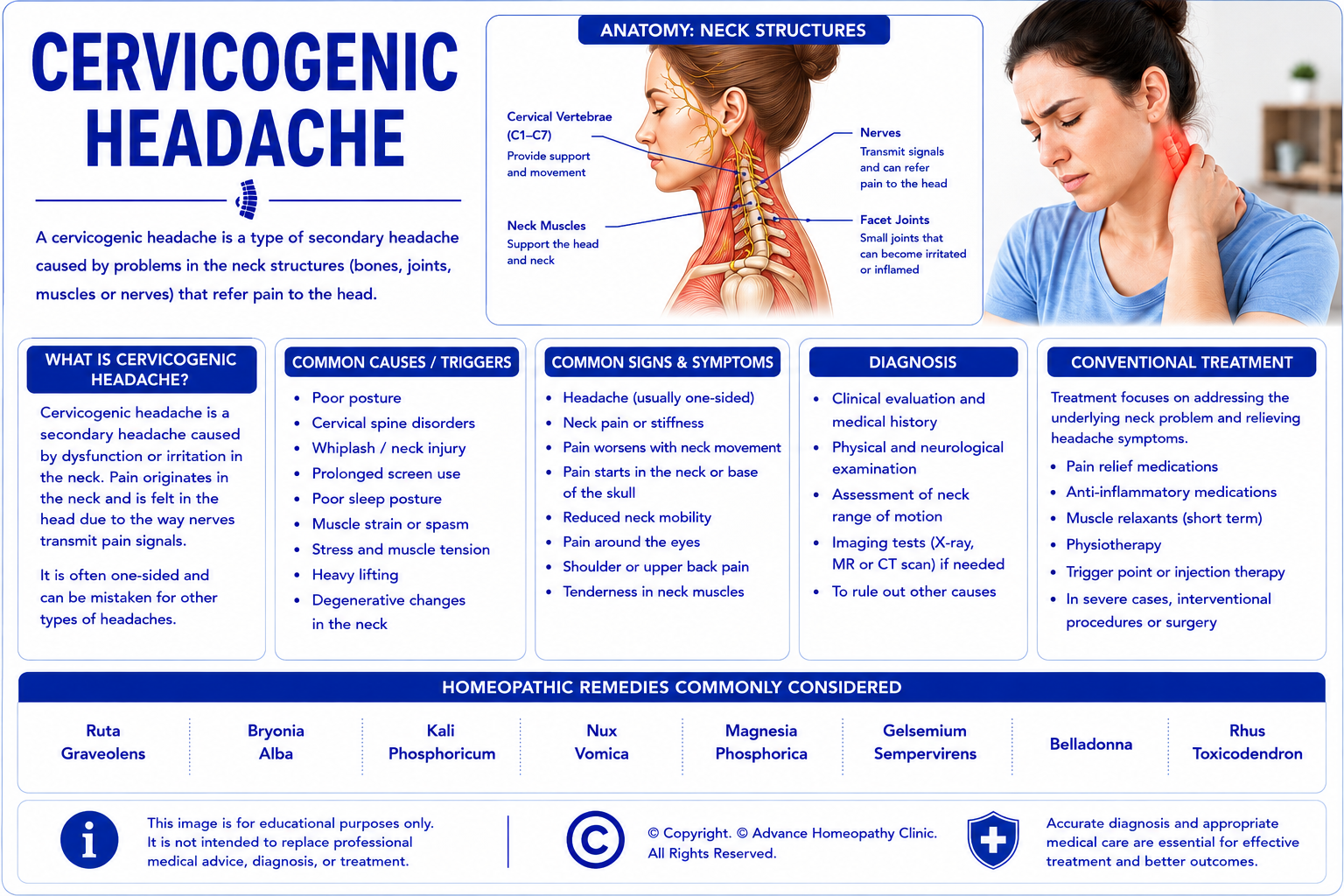
Common Signs & Symptoms of Cervicogenic Headache
- Headache originating from the neck
- Pain usually affecting one side of the head
- Neck pain and stiffness
- Reduced range of neck movement
- Pain radiating from the neck to the forehead, temple, or around the eye
- Headache aggravated by neck movement
- Pain worsened by prolonged sitting or poor posture
- Tenderness of neck muscles
- Shoulder pain accompanying the headache
- Occasionally associated with dizziness
Risk Factors for Cervicogenic Headache
- Cervical spondylosis
- Previous neck injury or whiplash
- Poor posture
- Prolonged desk or computer work
- Degenerative changes of the cervical spine
- Repetitive neck movements
- Muscle imbalance around the neck and shoulders
- Occupational strain
- Previous cervical spine surgery
- Advancing age
Conventional Management of Cervicogenic Headache
Treatment depends on the underlying cervical condition and symptom severity.
Conventional management commonly includes:
- Accurate diagnosis of the underlying cervical disorder
- Physiotherapy
- Posture correction
- Stretching and strengthening exercises
- Ergonomic workplace modification
- Pain-relieving medications
- Anti-inflammatory medications where appropriate
- Manual therapy performed by appropriately trained professionals
- Image-guided nerve blocks or interventional procedures in selected patients
- Surgical treatment for selected structural cervical disorders
- Regular follow-up with a neurologist, spine specialist, or orthopaedic surgeon
Homeopathic Medicines Commonly Considered for Cervicogenic Headache
Some homeopathic medicines that experienced homeopathic physicians may consider as part of an individualized treatment plan include:
- Cimicifuga (Actaea Racemosa)
- Bryonia Alba
- Gelsemium Sempervirens
- Rhus Toxicodendron
- Belladonna
- Sanguinaria Canadensis
- Nux Vomica
- Kalmia Latifolia
Homeopathic medicines should only be prescribed by a qualified homeopathic physician after an individualized clinical evaluation.
Important: Complementary Care for Cervicogenic Headache
Cervicogenic Headache should always be evaluated and managed by a qualified neurologist, spine specialist, rehabilitation physician, or appropriately trained healthcare professional to confirm the diagnosis, identify the underlying cervical spine or musculoskeletal disorder, assess neurological function, and develop an individualized management plan. Comprehensive evaluation commonly includes detailed clinical history, neurological examination, assessment of cervical spine mobility, musculoskeletal examination, evaluation of posture and ergonomic factors, and imaging studies such as cervical spine X-rays, Magnetic Resonance Imaging (MRI), or Computed Tomography (CT) when clinically indicated. Additional investigations may be required depending on the patient's clinical presentation. Accurate diagnosis is essential because headache associated with neck pain may also result from migraine, tension-type headache, cervical radiculopathy, cervical myelopathy, vertebral artery disorders, intracranial pathology, meningitis, or other neurological conditions, each requiring different management.
Patients with stable Cervicogenic Headache may be considered for individualized homeopathic treatment as a complementary approach following appropriate neurological and musculoskeletal evaluation. Homeopathy may be integrated alongside physiotherapy, posture correction, ergonomic modification, cervical mobility and strengthening exercises, regular physical activity, stress management, healthy lifestyle modification, prescribed medications, manual therapy where clinically appropriate, and regular follow-up with their treating physician or rehabilitation specialist. Individualized homeopathic prescribing is based on the patient's complete clinical presentation, constitutional characteristics, headache pattern, cervical symptoms, associated medical conditions, medical history, lifestyle factors, emotional well-being, and overall health rather than the diagnosis alone.
Patients should continue all recommended conventional treatment, including physiotherapy, therapeutic exercise programmes, posture correction, ergonomic interventions, appropriate analgesic or anti-inflammatory medications when indicated, image-guided diagnostic or therapeutic injections in selected patients, multidisciplinary rehabilitation, and regular neurological or musculoskeletal follow-up. Homeopathy should not be regarded as a substitute for evidence-based neurological or musculoskeletal care, particularly in patients with cervical radiculopathy, cervical myelopathy, progressive neurological deficits, significant cervical spine instability, traumatic cervical injury, or other structural disorders requiring specialist management or surgical intervention.
Patients with persistent headaches despite appropriate treatment, progressive neck pain, worsening neurological symptoms, upper limb weakness or numbness, gait disturbance, significant limitation of cervical movement, abnormal neurological examination findings, or uncertainty regarding the diagnosis should continue specialist neurological, spinal, or rehabilitation care. Homeopathy should not replace recommended imaging studies, rehabilitation programmes, interventional pain management, spinal surgery when indicated, or other evidence-based neurological and musculoskeletal interventions advised by the treating specialist.
Patients who develop sudden severe headache following neck trauma, sudden weakness or numbness of the arms or legs, difficulty walking, loss of bladder or bowel control, severe dizziness associated with neurological symptoms, difficulty speaking, visual disturbances, loss of consciousness, or any sudden deterioration in their neurological condition should seek immediate medical attention, as these symptoms may indicate cervical spinal cord compression, vertebral artery dissection, stroke, cervical fracture, intracranial haemorrhage, or another life-threatening neurological emergency requiring urgent hospital-based evaluation and treatment.
4. Trigeminal Neuralgia
What is Trigeminal Neuralgia?
Trigeminal Neuralgia is a chronic neurological disorder characterized by sudden, severe, electric shock-like facial pain affecting one or more branches of the trigeminal nerve, the fifth cranial nerve responsible for facial sensation. The pain usually affects one side of the face and may be triggered by simple everyday activities such as talking, chewing, brushing the teeth, shaving, washing the face, or even exposure to a gentle breeze.
The condition is most commonly caused by compression of the trigeminal nerve by a nearby blood vessel, although it may also occur secondary to Multiple Sclerosis, tumours, or other neurological disorders. The pain typically occurs in brief attacks lasting from a few seconds to several minutes but may recur repeatedly throughout the day, significantly affecting nutrition, communication, sleep, emotional well-being, and quality of life.
Modern neurology focuses on confirming the diagnosis, identifying any underlying cause, relieving pain, and improving daily functioning through evidence-based medical and surgical treatment where appropriate. Many individuals also explore complementary therapies while continuing conventional neurological care.
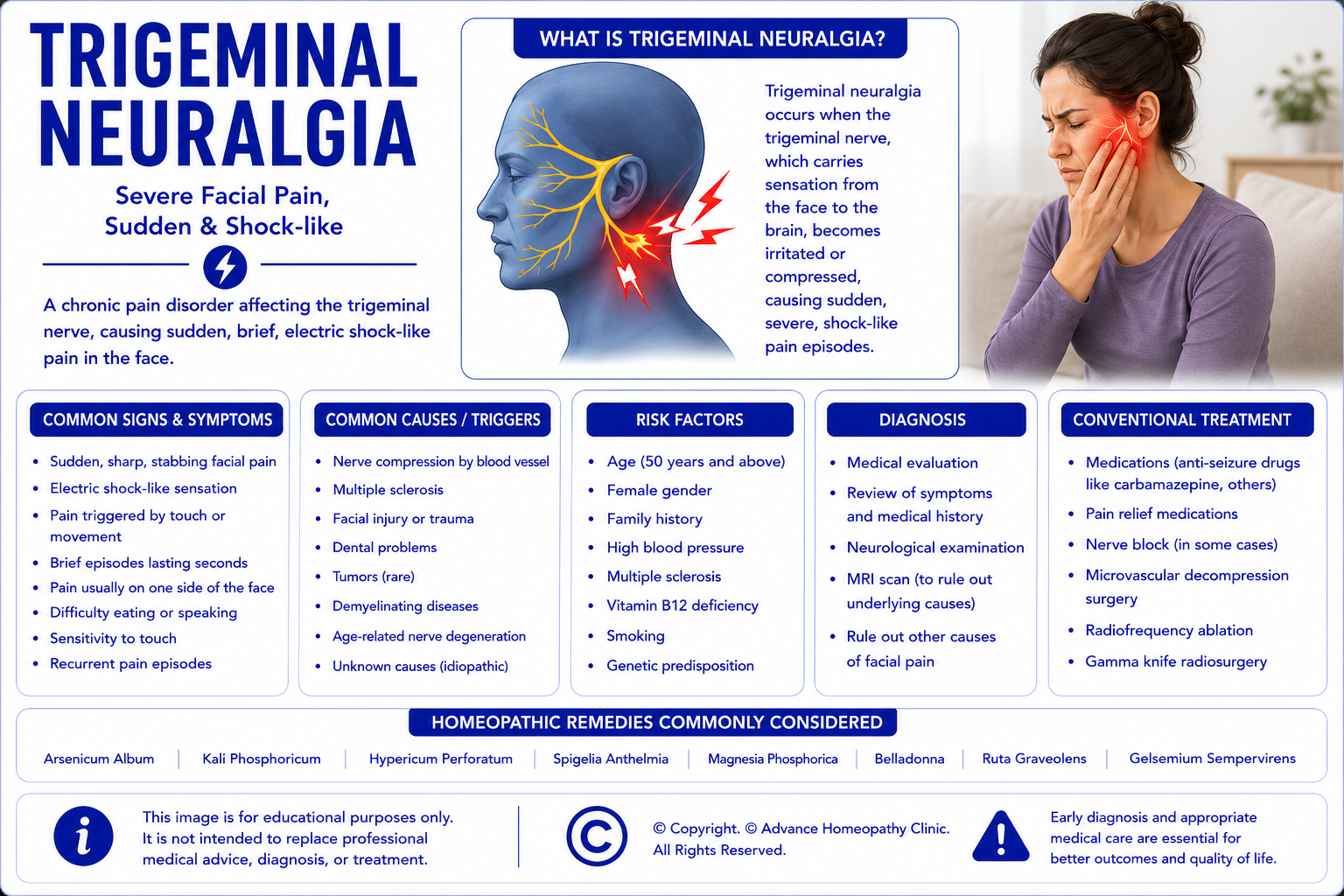
Common Signs & Symptoms of Trigeminal Neuralgia
- Sudden, severe facial pain
- Electric shock-like or stabbing facial pain
- Pain affecting one side of the face
- Pain involving the cheek, jaw, lips, gums, teeth, or forehead
- Pain triggered by chewing, talking, brushing teeth, shaving, or touching the face
- Recurrent episodes lasting seconds to minutes
- Pain-free intervals between attacks
- Facial muscle twitching during painful episodes (occasionally)
- Anxiety due to anticipation of pain
Risk Factors for Trigeminal Neuralgia
- Increasing age
- Female gender
- Blood vessel compression of the trigeminal nerve
- Multiple Sclerosis
- Previous facial trauma
- Tumours affecting the trigeminal nerve
- Family history (rarely)
- Hypertension
Conventional Management of Trigeminal Neuralgia
Treatment depends on the severity of symptoms, underlying cause, and response to therapy.
Conventional management commonly includes:
- Neurological evaluation
- MRI of the brain where indicated
- Anticonvulsant medications
- Muscle relaxant medications in selected patients
- Image-guided interventional pain procedures
- Radiofrequency ablation for selected patients
- Gamma Knife radiosurgery where indicated
- Microvascular decompression surgery in suitable patients
- Regular follow-up with a neurologist or neurosurgeon
Homeopathic Medicines Commonly Considered for Trigeminal Neuralgia
Some homeopathic medicines that experienced homeopathic physicians may consider as part of an individualized treatment plan include:
- Spigelia Anthelmia
- Magnesia Phosphorica
- Verbascum Thapsus
- Kalmia Latifolia
- Colocynthis
- Aconitum Napellus
- Belladonna
- Mezereum
Homeopathic medicines should only be prescribed by a qualified homeopathic physician after an individualized clinical evaluation.
Important: Complementary Care for Trigeminal Neuralgia
Trigeminal Neuralgia should always be evaluated and managed by a qualified neurologist, neurosurgeon, or appropriately trained healthcare professional to confirm the diagnosis, identify the affected branch of the trigeminal nerve, determine whether the condition is classical, secondary, or idiopathic, exclude structural or demyelinating disorders, and develop an individualized treatment plan. Comprehensive evaluation commonly includes detailed clinical history, neurological examination, assessment of facial sensory and motor function, and Magnetic Resonance Imaging (MRI) of the brain with appropriate sequences to evaluate for neurovascular compression, multiple sclerosis, tumors, or other structural abnormalities. Additional investigations may be required depending on the patient's clinical presentation. Accurate diagnosis is essential because facial pain may also result from dental disorders, temporomandibular joint disorders, sinus disease, post-herpetic neuralgia, cluster headache, glossopharyngeal neuralgia, or other neurological conditions, each requiring different management.
Patients with stable Trigeminal Neuralgia may be considered for individualized homeopathic treatment as a complementary approach following appropriate neurological evaluation. Homeopathy may be integrated alongside prescribed medications, identification and avoidance of pain triggers where possible, nutritional support if eating is impaired due to pain, psychological support where appropriate, healthy lifestyle modification, and regular follow-up with their neurologist or treating physician. Individualized homeopathic prescribing is based on the patient's complete clinical presentation, constitutional characteristics, pain pattern, associated neurological symptoms, medical history, lifestyle factors, emotional well-being, and overall health rather than the diagnosis alone.
Patients should continue all recommended conventional treatment, including anticonvulsant medications such as carbamazepine or oxcarbazepine as first-line therapy where clinically appropriate, alternative pharmacological agents when indicated, regular neurological follow-up, and neurosurgical procedures such as microvascular decompression, stereotactic radiosurgery, or percutaneous procedures in carefully selected patients whose symptoms remain uncontrolled despite medical therapy. Homeopathy should not be regarded as a substitute for evidence-based neurological care, particularly in patients with secondary Trigeminal Neuralgia, multiple sclerosis, structural brain lesions, progressive neurological deficits, severe refractory pain, or those requiring neurosurgical intervention.
Patients with persistent or worsening facial pain despite appropriate treatment, progressive sensory loss, bilateral facial pain, recurrent disabling attacks, abnormal neurological examination findings, suspected secondary Trigeminal Neuralgia, or uncertainty regarding the diagnosis should continue specialist neurological or neurosurgical care. Homeopathy should not replace recommended neuroimaging, pharmacological treatment, neurosurgical evaluation, or other evidence-based neurological interventions when these are advised by the treating specialist.
Patients who develop new facial weakness, sudden loss of facial sensation, difficulty speaking, difficulty swallowing, double vision, weakness of the limbs, severe headache associated with neurological symptoms, confusion, loss of consciousness, or any sudden deterioration in their neurological condition should seek immediate medical attention, as these symptoms may indicate stroke, brain tumour, multiple sclerosis relapse, intracranial haemorrhage, brainstem pathology, or another life-threatening neurological emergency requiring urgent hospital-based evaluation and treatment.
5. Bell's Palsy
What is Bell's Palsy?
Bell's Palsy is an acute neurological condition caused by temporary dysfunction of the facial nerve (seventh cranial nerve), resulting in sudden weakness or paralysis of the muscles on one side of the face. The exact cause is not fully understood, but inflammation of the facial nerve, often following viral reactivation such as herpes simplex virus, is believed to play an important role.
Symptoms usually develop rapidly over hours to one or two days. Many patients notice difficulty smiling, closing one eye, raising the eyebrow, or retaining food and saliva on the affected side. Although the majority of patients recover completely within several weeks to months, some individuals may experience persistent weakness or involuntary facial movements.
Prompt medical evaluation is essential because Bell's Palsy may resemble other serious neurological conditions, particularly stroke. Modern neurology focuses on early diagnosis, exclusion of alternative causes, reducing nerve inflammation, protecting the eye, and improving recovery through evidence-based treatment.
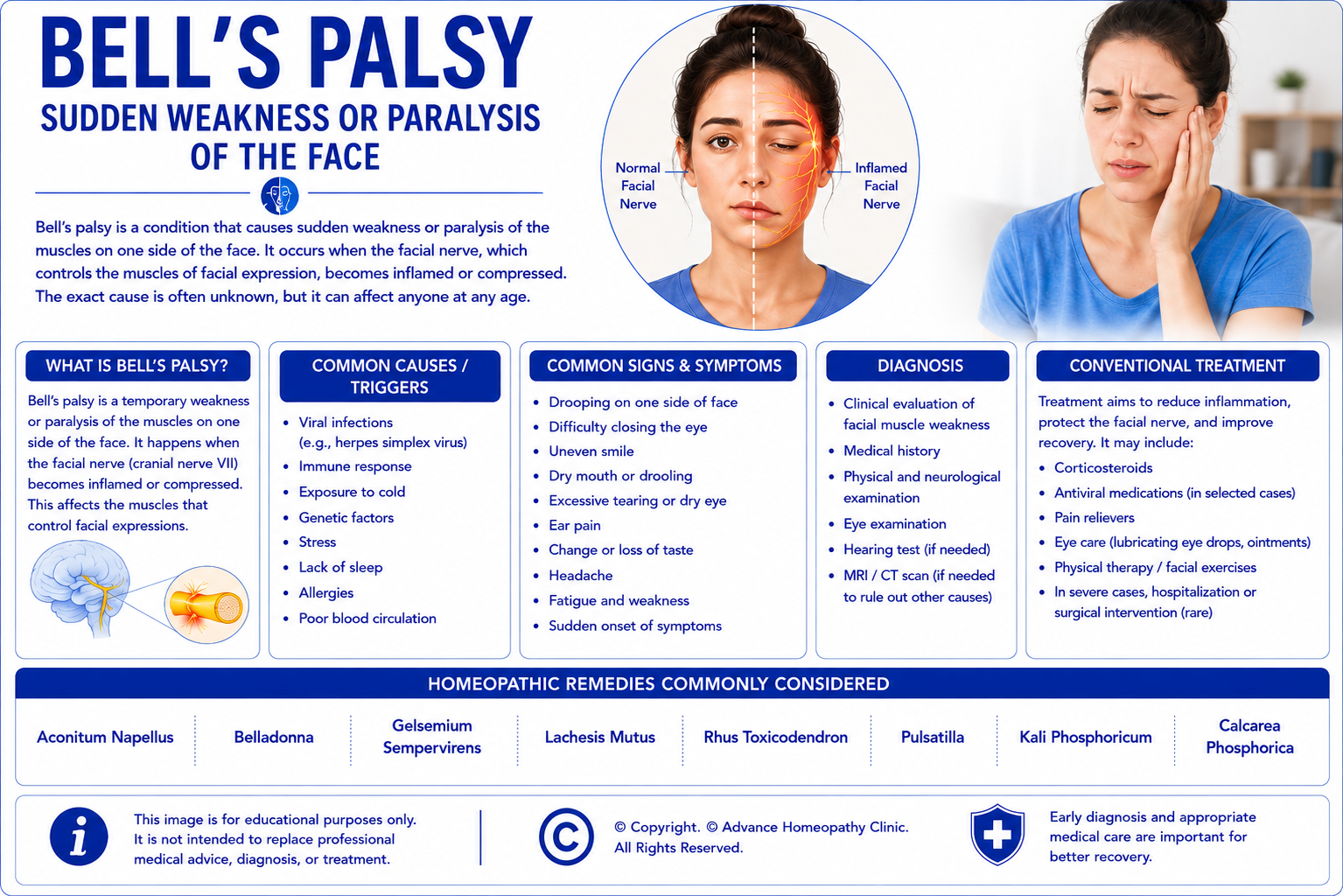
Common Signs & Symptoms of Bell's Palsy
- Sudden weakness or paralysis of one side of the face
- Drooping of one side of the face
- Difficulty smiling
- Inability to fully close one eye
- Flattening of forehead wrinkles
- Drooling
- Difficulty eating or drinking
- Altered taste sensation
- Increased sensitivity to sound in one ear
- Pain around or behind the ear before facial weakness
Risk Factors for Bell's Palsy
- Viral infections
- Diabetes mellitus
- Pregnancy
- Upper respiratory tract infections
- Family history
- Hypertension
- Weakened immune system
Conventional Management of Bell's Palsy
Treatment is most effective when started early after symptom onset.
Conventional management commonly includes:
- Early neurological assessment
- Corticosteroid therapy
- Antiviral medications in selected patients
- Eye protection with lubricating drops or ointment
- Eye patching where necessary
- Facial physiotherapy
- Facial muscle rehabilitation exercises
- Surgical treatment in rare selected cases
- Regular follow-up with a neurologist or ENT specialist
Homeopathic Medicines Commonly Considered for Bell's Palsy
Some homeopathic medicines that experienced homeopathic physicians may consider as part of an individualized treatment plan include:
- Causticum
- Aconitum Napellus
- Belladonna
- Hypericum Perforatum
- Gelsemium Sempervirens
- Rhus Toxicodendron
- Plumbum Metallicum
- Lachesis Mutus
Homeopathic medicines should only be prescribed by a qualified homeopathic physician after an individualized clinical evaluation.
Important: Complementary Care for Bell's Palsy
Bell's Palsy should always be evaluated and managed by a qualified neurologist, primary care physician, ENT specialist, or appropriately trained healthcare professional to confirm the diagnosis, exclude other causes of acute facial paralysis, assess the severity of facial nerve dysfunction, evaluate eye involvement, and develop an individualized treatment plan. Comprehensive evaluation commonly includes detailed clinical history, neurological examination, assessment of facial nerve function using standardized grading systems where appropriate, examination of the ear, eye, and oral cavity, and additional investigations such as Magnetic Resonance Imaging (MRI), Computed Tomography (CT), blood investigations, or electrophysiological studies when clinically indicated or when the presentation is atypical. Accurate diagnosis is essential because acute facial weakness may also result from stroke, brain tumours, Ramsay Hunt syndrome (herpes zoster oticus), Lyme disease, trauma, multiple sclerosis, or other neurological disorders, each requiring different management.
Patients with Bell's Palsy following appropriate medical evaluation may be considered for individualized homeopathic treatment as a complementary approach. Homeopathy may be integrated alongside early corticosteroid therapy when indicated, antiviral therapy in selected patients, meticulous eye protection, lubricating eye drops or ointments, eye patching where appropriate, facial physiotherapy, facial muscle rehabilitation exercises, healthy lifestyle modification, and regular follow-up with their neurologist or treating physician. Individualized homeopathic prescribing is based on the patient's complete clinical presentation, constitutional characteristics, severity of facial weakness, associated symptoms, medical history, lifestyle factors, emotional well-being, and overall health rather than the diagnosis alone.
Patients should continue all recommended conventional treatment, including prompt corticosteroid therapy, antiviral medications when clinically appropriate, eye protection to prevent corneal injury, facial physiotherapy, rehabilitation exercises, regular neurological assessment, and specialist follow-up until satisfactory recovery has been achieved. Homeopathy should not be regarded as a substitute for evidence-based neurological care, particularly in patients with complete facial paralysis, recurrent Bell's Palsy, bilateral facial weakness, progressive neurological deficits, atypical presentations, persistent facial weakness, or facial paralysis secondary to other neurological or infectious disorders.
Patients with persistent facial weakness beyond the expected recovery period, incomplete eye closure with risk of corneal damage, recurrent facial paralysis, progressive neurological symptoms, bilateral facial weakness, abnormal imaging findings, or uncertainty regarding the diagnosis should continue specialist neurological, ENT, or ophthalmological care. Homeopathy should not replace recommended neurological investigations, eye protection, rehabilitation programmes, or other evidence-based neurological interventions when these are advised by the treating specialist.
Patients who develop sudden facial weakness associated with arm or leg weakness, difficulty speaking, severe headache, confusion, double vision, loss of consciousness, severe dizziness, rapidly progressive neurological symptoms, or any sudden deterioration in their neurological condition should seek immediate emergency medical attention, as these symptoms may indicate acute stroke, intracranial haemorrhage, brain tumour, encephalitis, or another life-threatening neurological emergency requiring urgent hospital-based evaluation and treatment.
6. Peripheral Neuropathy
What is Peripheral Neuropathy?
Peripheral Neuropathy is a disorder resulting from damage to one or more peripheral nerves, which transmit signals between the brain, spinal cord, muscles, skin, and internal organs. Depending on the nerves involved, peripheral neuropathy may affect sensation, movement, or autonomic body functions. Patients commonly experience numbness, tingling, burning pain, weakness, or loss of balance, most often beginning in the feet and gradually progressing upward.
Peripheral neuropathy has numerous causes, including diabetes mellitus, vitamin deficiencies, chronic kidney disease, thyroid disorders, autoimmune diseases, infections, alcohol misuse, certain medications, inherited neurological disorders, and physical nerve injuries. Identifying and treating the underlying cause is essential to prevent further nerve damage and preserve function.
Modern neurology focuses on accurate diagnosis, identification of reversible causes, symptom control, rehabilitation, and prevention of complications. Many individuals also explore complementary therapies while continuing evidence-based neurological care.
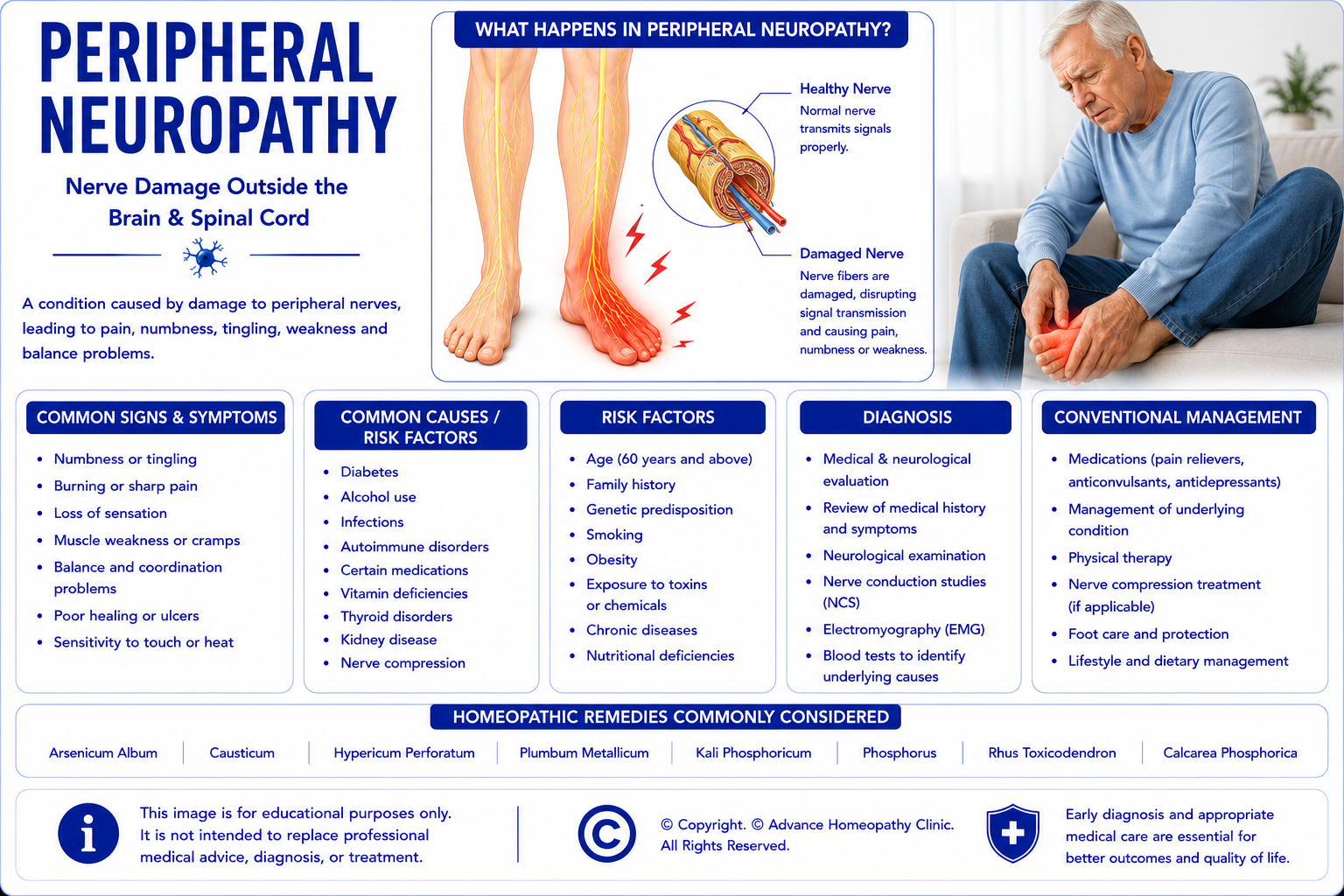
Common Signs & Symptoms of Peripheral Neuropathy
- Numbness of the hands or feet
- Tingling sensations ("pins and needles")
- Burning nerve pain
- Sharp, stabbing, or shooting pain
- Reduced sensation to touch or temperature
- Muscle weakness
- Poor balance and unsteady walking
- Reduced reflexes
- Muscle cramps
- Difficulty with fine hand movements
Risk Factors for Peripheral Neuropathy
- Diabetes mellitus
- Prediabetes
- Vitamin B12 deficiency
- Chronic kidney disease
- Thyroid disorders
- Autoimmune diseases
- Alcohol misuse
- Certain medications including chemotherapy
- Infections
- Family history of inherited neuropathies
Conventional Management of Peripheral Neuropathy
Treatment depends on the underlying cause and severity of nerve involvement.
Conventional management commonly includes:
- Identification and treatment of the underlying cause
- Blood investigations
- Nerve conduction studies (NCS)
- Electromyography (EMG)
- Blood sugar control in diabetic neuropathy
- Vitamin replacement where indicated
- Neuropathic pain medications
- Physiotherapy
- Occupational therapy
- Foot care education for diabetic patients
- Regular neurological follow-up
Homeopathic Medicines Commonly Considered for Peripheral Neuropathy
Some homeopathic medicines that experienced homeopathic physicians may consider as part of an individualized treatment plan include:
- Hypericum Perforatum
- Causticum
- Plumbum Metallicum
- Phosphorus
- Arsenicum Album
- Kali Phosphoricum
- Agaricus Muscarius
- Zincum Metallicum
Homeopathic medicines should only be prescribed by a qualified homeopathic physician after an individualized clinical evaluation.
Important: Complementary Care for Peripheral Neuropathy
Peripheral Neuropathy should always be evaluated and managed by a qualified neurologist or appropriately trained healthcare professional to confirm the diagnosis, determine the type and distribution of nerve involvement, identify the underlying cause, assess disease severity, evaluate functional impairment, and develop an individualized management plan. Comprehensive evaluation commonly includes detailed neurological examination, assessment of sensory and motor function, deep tendon reflex testing, blood investigations including blood glucose, HbA1c, vitamin B12, thyroid function tests, kidney function tests, autoimmune screening where indicated, Nerve Conduction Studies (NCS), Electromyography (EMG), and additional investigations such as genetic testing, skin biopsy, cerebrospinal fluid examination, or Magnetic Resonance Imaging (MRI) when clinically appropriate. Accurate diagnosis is essential because Peripheral Neuropathy may result from diabetes mellitus, chronic kidney disease, vitamin deficiencies, autoimmune disorders, infections, inherited neuropathies, toxic exposures, medication-induced nerve injury, or other neurological disorders, each requiring different management.
Patients with stable Peripheral Neuropathy following appropriate neurological evaluation may be considered for individualized homeopathic treatment as a complementary approach. Homeopathy may be integrated alongside treatment of the underlying medical condition, optimal blood glucose control in diabetic neuropathy, vitamin replacement where indicated, physiotherapy, occupational therapy, structured rehabilitation programmes, foot care education for diabetic patients, regular physical activity where medically appropriate, healthy lifestyle modification, prescribed medications, and regular follow-up with their neurologist or treating physician. Individualized homeopathic prescribing is based on the patient's complete clinical presentation, constitutional characteristics, pattern of nerve involvement, associated medical conditions, laboratory findings, medical history, lifestyle factors, emotional well-being, and overall health rather than the diagnosis alone.
Patients should continue all recommended conventional treatment, including identification and treatment of the underlying cause, neuropathic pain medications where indicated, diabetes management, vitamin supplementation, physiotherapy, occupational therapy, rehabilitation, fall prevention strategies, foot care programmes for diabetic patients, and regular neurological follow-up. Homeopathy should not be regarded as a substitute for evidence-based neurological care, particularly in patients with rapidly progressive neuropathy, severe motor weakness, autonomic neuropathy, inherited neuropathies, inflammatory neuropathies requiring immunotherapy, medication-induced neuropathy requiring treatment modification, or neuropathy associated with serious systemic disease.
Patients with progressive weakness, rapidly worsening numbness, recurrent falls, significant gait instability, severe neuropathic pain despite treatment, autonomic dysfunction, suspected inflammatory neuropathy, hereditary neuropathy, or uncertainty regarding the diagnosis should continue specialist neurological care and regular monitoring. Homeopathy should not replace recommended laboratory investigations, NCS, EMG, immunotherapy where indicated, rehabilitation programmes, or other evidence-based neurological interventions when these are advised by the treating neurologist.
Patients who develop rapidly progressive limb weakness, difficulty walking, sudden inability to stand, difficulty swallowing, difficulty breathing, loss of bladder or bowel control, severe autonomic symptoms such as fainting or profound blood pressure instability, confusion, loss of consciousness, or any sudden deterioration in their neurological condition should seek immediate medical attention, as these symptoms may indicate Guillain-Barré syndrome, acute inflammatory neuropathy, spinal cord disease, severe autonomic neuropathy, or another life-threatening neurological emergency requiring urgent hospital-based evaluation and treatment.
7. Restless Legs Syndrome
What is Restless Legs Syndrome?
Restless Legs Syndrome (RLS), also known as Willis-Ekbom Disease, is a neurological movement disorder characterized by an irresistible urge to move the legs, usually accompanied by uncomfortable sensations such as crawling, tingling, pulling, aching, burning, or itching deep within the legs. Symptoms typically worsen during periods of rest or inactivity, especially in the evening or at night, and are temporarily relieved by movement such as walking or stretching.
The exact cause of Restless Legs Syndrome is not completely understood, but abnormalities in dopamine pathways within the brain, genetic factors, iron deficiency, pregnancy, chronic kidney disease, peripheral neuropathy, and certain medications are known to contribute. The condition often interferes with sleep, resulting in daytime fatigue, poor concentration, reduced work performance, and impaired quality of life.
Modern neurology focuses on identifying reversible causes, improving sleep quality, reducing symptoms, and enhancing overall quality of life through individualized treatment. Many individuals also seek complementary therapies while continuing evidence-based neurological care.
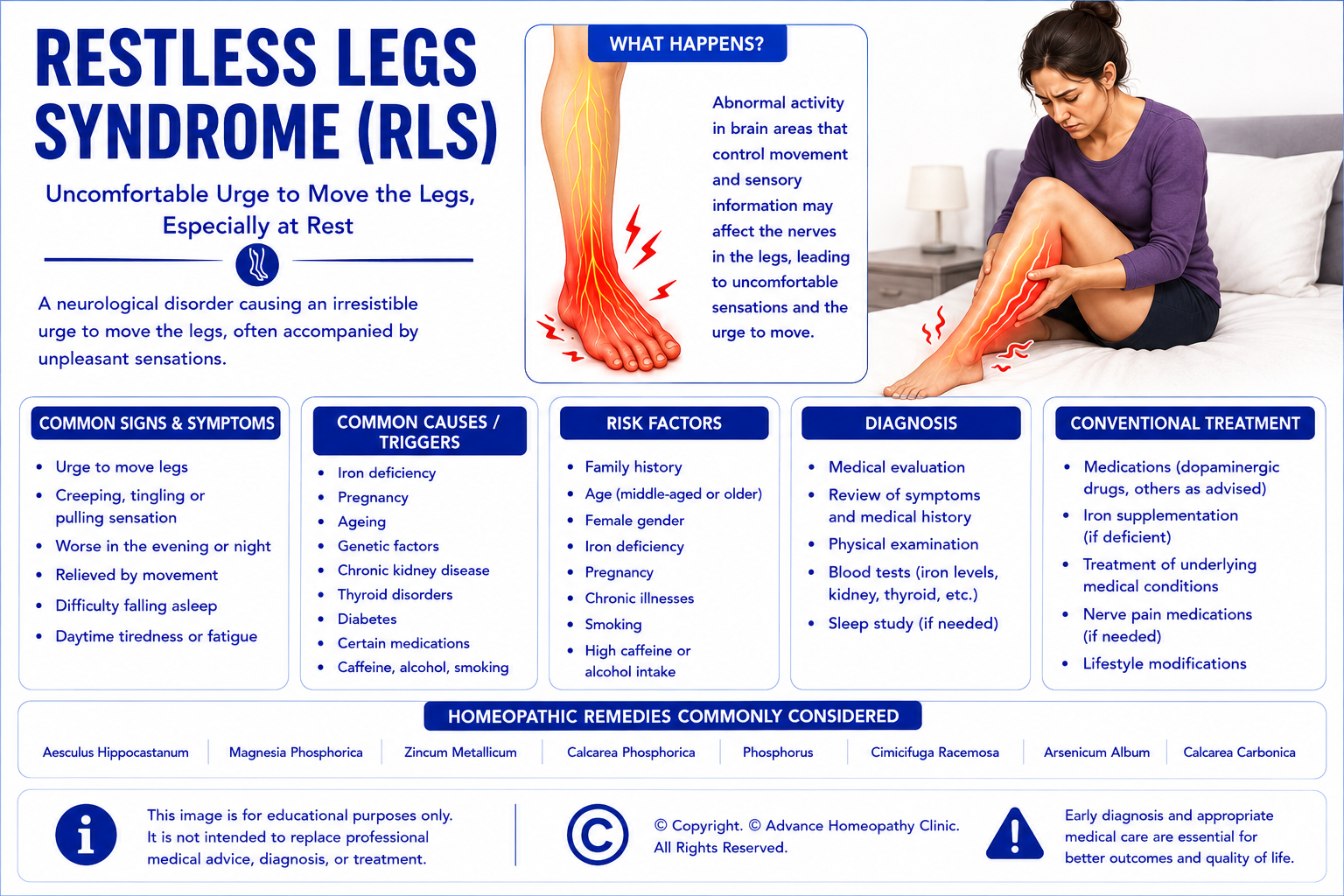
Common Signs & Symptoms of Restless Legs Syndrome
- Irresistible urge to move the legs
- Crawling, tingling, pulling, burning, or aching sensations in the legs
- Symptoms occurring during rest or inactivity
- Symptoms worsening in the evening or at night
- Temporary relief with walking or movement
- Difficulty falling asleep
- Frequent nighttime awakening
- Daytime fatigue
- Difficulty concentrating due to poor sleep
- Periodic limb movements during sleep (in some individuals)
Risk Factors for Restless Legs Syndrome
- Family history of Restless Legs Syndrome
- Iron deficiency
- Pregnancy
- Chronic kidney disease
- Peripheral neuropathy
- Parkinson's disease
- Diabetes mellitus
- Certain medications
- Increasing age
- Female gender
Conventional Management of Restless Legs Syndrome
Treatment depends on symptom severity, underlying causes, and impact on sleep and daily activities.
Conventional management commonly includes:
- Identification and treatment of reversible causes
- Iron replacement therapy where indicated
- Improvement of sleep hygiene
- Regular physical activity
- Avoidance of caffeine and alcohol where appropriate
- Dopaminergic medications
- Alpha-2-delta calcium channel ligands
- Management of associated medical conditions
- Regular neurological follow-up
Homeopathic Medicines Commonly Considered for Restless Legs Syndrome
Some homeopathic medicines that experienced homeopathic physicians may consider as part of an individualized treatment plan include:
- Zincum Metallicum
- Rhus Toxicodendron
- Causticum
- Agaricus Muscarius
- Arsenicum Album
- Kali Phosphoricum
- Cuprum Metallicum
- Tarentula Hispanica
Homeopathic medicines should only be prescribed by a qualified homeopathic physician after an individualized clinical evaluation.
Important: Complementary Care for Restless Legs Syndrome (RLS)
Restless Legs Syndrome (RLS) should always be evaluated and managed by a qualified neurologist, sleep medicine specialist, or appropriately trained healthcare professional to confirm the diagnosis, distinguish it from other movement or sleep disorders, identify reversible causes, assess symptom severity, evaluate the impact on sleep and daily functioning, and develop an individualized management plan. Comprehensive evaluation commonly includes detailed clinical history, neurological examination, assessment of sleep quality, review of current medications, iron studies including serum ferritin where appropriate, complete blood count, kidney function tests, blood glucose, thyroid function tests when indicated, vitamin B12 assessment where clinically appropriate, and additional investigations based on the patient's clinical presentation. Accurate diagnosis is essential because symptoms similar to Restless Legs Syndrome may result from peripheral neuropathy, nocturnal leg cramps, peripheral vascular disease, akathisia, positional discomfort, arthritis, or other neurological or musculoskeletal disorders, each requiring different management.
Patients with stable Restless Legs Syndrome may be considered for individualized homeopathic treatment as a complementary approach following appropriate neurological evaluation. Homeopathy may be integrated alongside identification and correction of reversible causes, iron replacement where indicated, optimization of sleep hygiene, regular physical activity, stretching exercises, avoidance of excessive caffeine and alcohol where appropriate, management of associated medical conditions, prescribed medications, and regular follow-up with their neurologist or primary care physician. Individualized homeopathic prescribing is based on the patient's complete clinical presentation, constitutional characteristics, symptom pattern, associated medical conditions, laboratory findings, lifestyle factors, emotional well-being, and overall health rather than the diagnosis alone.
Patients should continue all recommended conventional treatment, including correction of iron deficiency when present, optimization of contributing medical conditions, dopaminergic medications where indicated, alpha-2-delta calcium channel ligands, other evidence-based pharmacological therapies when appropriate, sleep hygiene measures, lifestyle modification, and regular neurological follow-up. Homeopathy should not be regarded as a substitute for evidence-based neurological care, particularly in patients with severe sleep disturbance, significant daytime impairment, secondary Restless Legs Syndrome associated with chronic kidney disease or neurological disorders, treatment-resistant symptoms, or progressive neurological disease requiring specialist management.
Patients with persistent or worsening symptoms despite appropriate treatment, severe insomnia, progressive neurological deficits, suspected peripheral neuropathy, Parkinson's disease, chronic kidney disease requiring specialist management, iron deficiency that fails to respond to treatment, or uncertainty regarding the diagnosis should continue specialist neurological or sleep medicine care. Homeopathy should not replace recommended laboratory investigations, sleep assessment, pharmacological treatment, management of underlying medical conditions, or other evidence-based neurological interventions when these are advised by the treating specialist.
Patients who develop progressive limb weakness, persistent numbness, loss of balance, difficulty walking, loss of bladder or bowel control, altered consciousness, severe confusion, or any sudden deterioration in their neurological condition should seek immediate medical attention, as these symptoms may indicate peripheral neuropathy, spinal cord disease, acute neurological illness, or another serious medical condition requiring urgent hospital-based evaluation and treatment.
8. Post-Herpetic Neuralgia
What is Post-Herpetic Neuralgia?
Post-Herpetic Neuralgia (PHN) is a chronic neuropathic pain condition that develops following an episode of Herpes Zoster (Shingles). It occurs when the varicella-zoster virus damages sensory nerves during the infection, causing persistent nerve pain that continues for months or even years after the skin rash has healed.
The pain is often described as burning, stabbing, shooting, or electric shock-like and may be accompanied by extreme sensitivity of the skin, where even light touch or clothing can trigger severe discomfort. Older adults and individuals with severe shingles are at greater risk of developing Post-Herpetic Neuralgia.
Modern neurology and pain medicine focus on relieving neuropathic pain, improving sleep, restoring daily functioning, and enhancing quality of life through evidence-based treatment. Many individuals also explore complementary therapies while continuing conventional medical care.
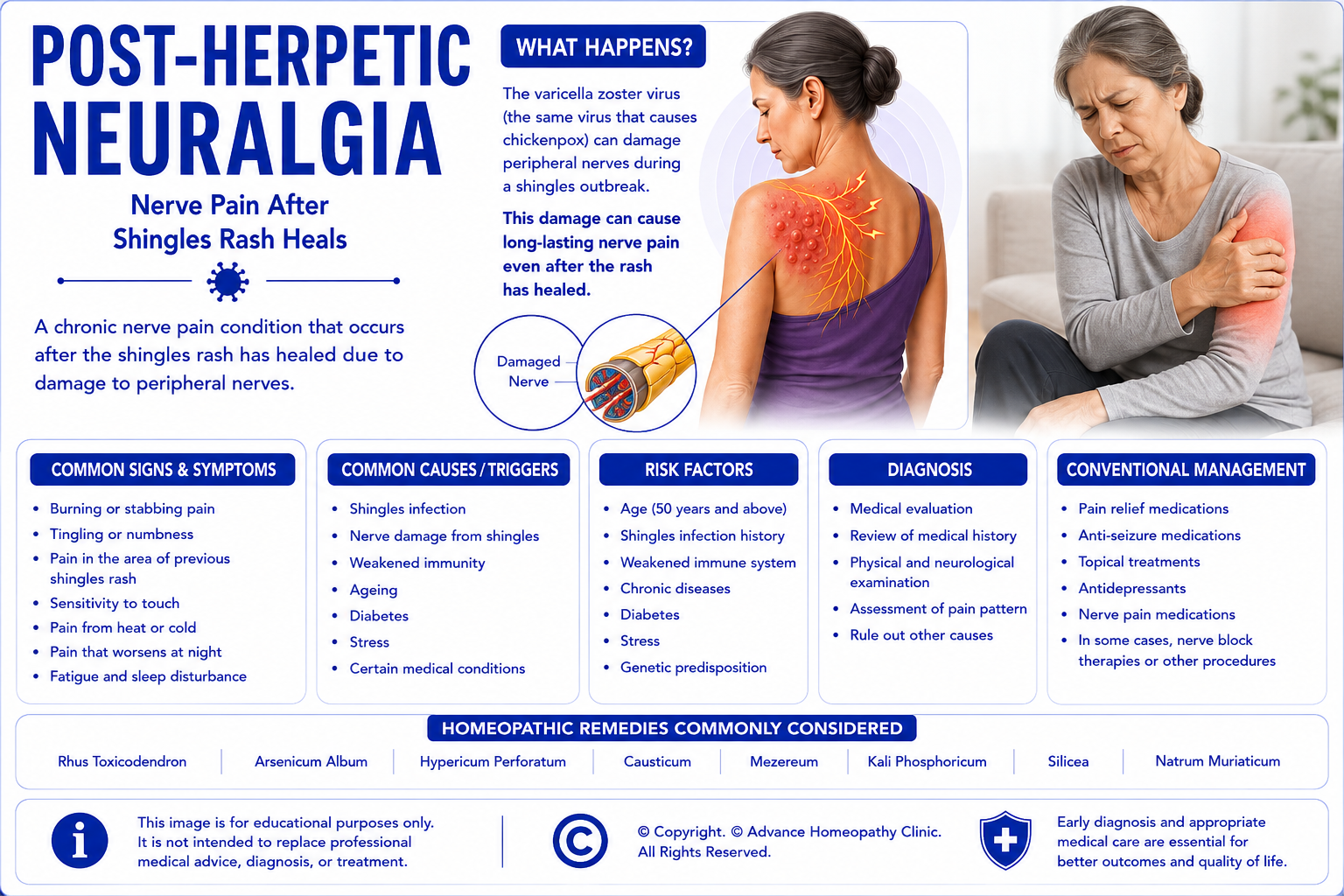
Common Signs & Symptoms of Post-Herpetic Neuralgia
- Persistent burning nerve pain
- Stabbing or electric shock-like pain
- Pain lasting more than three months after shingles
- Extreme sensitivity to touch (allodynia)
- Tingling or numbness
- Itching in the affected area
- Reduced sensation
- Sleep disturbance due to pain
- Anxiety or depression associated with chronic pain
Risk Factors for Post-Herpetic Neuralgia
- Increasing age
- Severe Herpes Zoster infection
- Delayed antiviral treatment
- Severe shingles rash
- Severe acute shingles pain
- Weakened immune system
- Diabetes mellitus
- Chronic medical illnesses
Conventional Management of Post-Herpetic Neuralgia
Treatment focuses on reducing neuropathic pain and improving quality of life.
Conventional management commonly includes:
- Early antiviral treatment during shingles
- Neuropathic pain medications
- Topical lidocaine preparations
- Capsaicin therapy
- Antidepressant medications for neuropathic pain
- Pain management programmes
- Interventional pain procedures for selected patients
- Psychological support where appropriate
- Regular follow-up with a neurologist or pain specialist
Homeopathic Medicines Commonly Considered for Post-Herpetic Neuralgia
Some homeopathic medicines that experienced homeopathic physicians may consider as part of an individualized treatment plan include:
- Mezereum
- Ranunculus Bulbosus
- Hypericum Perforatum
- Arsenicum Album
- Rhus Toxicodendron
- Causticum
- Kalmia Latifolia
- Spigelia Anthelmia
Homeopathic medicines should only be prescribed by a qualified homeopathic physician after an individualized clinical evaluation.
Important: Complementary Care for Post-Herpetic Neuralgia (PHN)
Post-Herpetic Neuralgia (PHN) should always be evaluated and managed by a qualified neurologist, pain medicine specialist, infectious disease specialist, or appropriately trained healthcare professional to confirm the diagnosis, assess the severity and distribution of neuropathic pain, evaluate functional impairment, exclude other causes of chronic neuropathic pain, and develop an individualized treatment plan. Comprehensive evaluation commonly includes detailed clinical history, neurological examination, assessment of sensory abnormalities including allodynia and hyperalgesia, review of previous Herpes Zoster infection and antiviral treatment, evaluation of pain severity and its impact on sleep and daily activities, and additional investigations when clinically indicated to exclude alternative neurological disorders. Accurate diagnosis is essential because chronic neuropathic pain may also result from trigeminal neuralgia, diabetic neuropathy, peripheral neuropathy, cervical or lumbar radiculopathy, complex regional pain syndrome, or other neurological conditions, each requiring different management.
Patients with stable Post-Herpetic Neuralgia may be considered for individualized homeopathic treatment as a complementary approach following appropriate neurological evaluation. Homeopathy may be integrated alongside neuropathic pain management, healthy lifestyle modification, sleep optimization, psychological support where appropriate, physiotherapy or rehabilitation when indicated, prescribed medications, and regular follow-up with their neurologist or pain specialist. Individualized homeopathic prescribing is based on the patient's complete clinical presentation, constitutional characteristics, pain pattern, associated neurological symptoms, medical history, lifestyle factors, emotional well-being, and overall health rather than the diagnosis alone.
Patients should continue all recommended conventional treatment, including neuropathic pain medications such as gabapentinoids, tricyclic antidepressants, serotonin-norepinephrine reuptake inhibitors (SNRIs), topical lidocaine or capsaicin where appropriate, multidisciplinary pain management, rehabilitation, psychological support when indicated, and regular neurological follow-up. Homeopathy should not be regarded as a substitute for evidence-based neurological or pain management, particularly in patients with severe persistent neuropathic pain, significant functional impairment, immunocompromised status, ophthalmic herpes zoster, recurrent Herpes Zoster, or other neurological complications requiring specialist care.
Patients with persistent severe pain despite appropriate treatment, recurrent Herpes Zoster, significant sleep disturbance, progressive neurological deficits, ophthalmic involvement, suspected central nervous system complications, or uncertainty regarding the diagnosis should continue specialist neurological, pain medicine, or infectious disease care. Homeopathy should not replace recommended antiviral therapy during acute Herpes Zoster, pain management strategies, rehabilitation programmes, or other evidence-based neurological interventions when these are advised by the treating specialist.
Patients who develop new facial weakness, visual loss or severe eye pain following shingles, confusion, seizures, severe headache, neck stiffness, limb weakness, altered consciousness, rapidly progressive neurological symptoms, or any sudden deterioration in their neurological condition should seek immediate medical attention, as these symptoms may indicate Herpes Zoster ophthalmicus, encephalitis, meningitis, stroke, myelitis, or another life-threatening neurological complication requiring urgent hospital-based evaluation and treatment.
9. Multiple Sclerosis (Supportive Care)
What is Multiple Sclerosis?
Multiple Sclerosis (MS) is a chronic autoimmune disease affecting the central nervous system, including the brain and spinal cord. In Multiple Sclerosis, the immune system mistakenly attacks the protective covering (myelin sheath) surrounding nerve fibres, disrupting communication between the brain and the rest of the body. Over time, this process may result in permanent neurological damage and varying degrees of physical disability.
Multiple Sclerosis presents differently in each individual. Some patients experience episodes of neurological symptoms followed by periods of recovery (relapsing-remitting MS), while others develop gradually progressive neurological impairment. Common symptoms include visual disturbances, limb weakness, numbness, balance problems, muscle stiffness, fatigue, and bladder dysfunction.
Modern neurology has significantly improved the management of Multiple Sclerosis through disease-modifying therapies, rehabilitation programmes, and multidisciplinary care aimed at reducing disease activity, delaying progression, preserving neurological function, and improving quality of life. Many individuals also seek complementary therapies as part of their overall management plan while continuing evidence-based neurological treatment.
Homeopathy is offered only as supportive care and should never replace disease-modifying therapies or specialist neurological management.
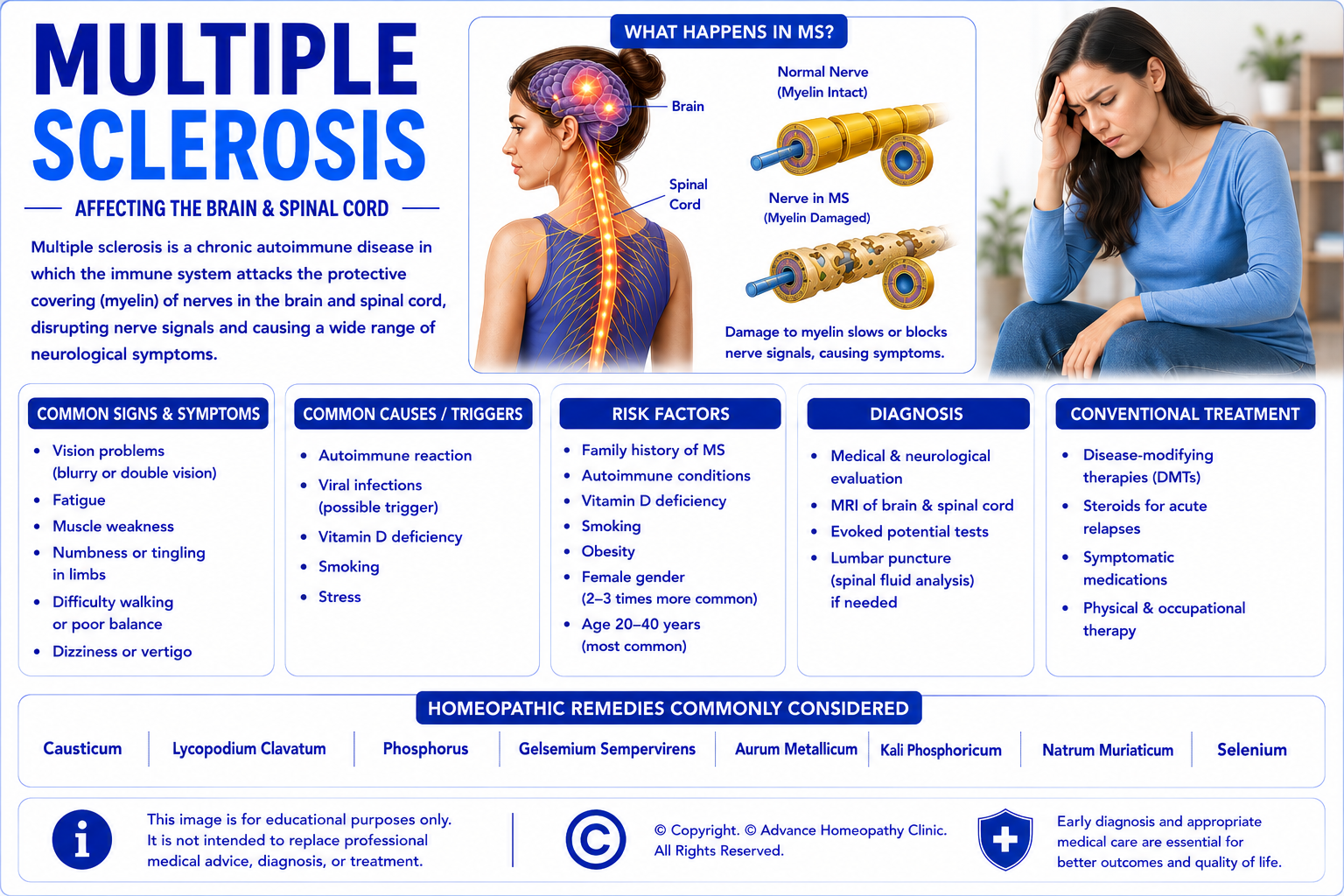
Common Signs & Symptoms of Multiple Sclerosis
- Blurred or double vision
- Painful eye movements
- Limb numbness or tingling
- Muscle weakness
- Difficulty walking
- Poor balance and coordination
- Muscle stiffness or spasticity
- Fatigue
- Tremors
- Bladder or bowel dysfunction
- Cognitive difficulties in some individuals
Risk Factors for Multiple Sclerosis
- Family history
- Female gender
- Vitamin D deficiency
- Smoking
- Epstein-Barr virus infection
- Other autoimmune diseases
- Younger adult age
- Genetic susceptibility
Conventional Management of Multiple Sclerosis
Treatment is individualized according to disease subtype, severity, and neurological disability.
Conventional management commonly includes:
- Disease-modifying therapies
- Corticosteroids during relapses
- Symptomatic medications
- Physiotherapy
- Occupational therapy
- Speech and swallowing therapy where indicated
- Exercise and rehabilitation programmes
- Psychological support
- Regular MRI monitoring
- Regular neurological follow-up
Homeopathic Medicines Commonly Considered for Multiple Sclerosis (Supportive Care)
Some homeopathic medicines that experienced homeopathic physicians may consider as part of an individualized supportive care plan include:
- Causticum
- Plumbum Metallicum
- Zincum Metallicum
- Gelsemium Sempervirens
- Phosphorus
- Argentum Nitricum
- Kali Phosphoricum
- Alumina
Homeopathic medicines should only be prescribed by a qualified homeopathic physician after an individualized clinical evaluation.
Important: Complementary Care for Multiple Sclerosis (MS)
Multiple Sclerosis (MS) should always be evaluated and managed by a qualified neurologist, preferably one experienced in demyelinating disorders, or another appropriately trained healthcare professional to confirm the diagnosis, determine the subtype of MS, assess disease activity, evaluate neurological disability, identify relapses, and develop an individualized long-term management plan. Comprehensive evaluation commonly includes detailed neurological examination, Magnetic Resonance Imaging (MRI) of the brain and spinal cord, cerebrospinal fluid (CSF) analysis where indicated, evoked potential studies in selected patients, laboratory investigations to exclude alternative diagnoses, and regular assessment of neurological function and disability progression. Accurate diagnosis is essential because conditions such as neuromyelitis optica spectrum disorder, myelin oligodendrocyte glycoprotein (MOG)-associated disease, vitamin B12 deficiency, infections, autoimmune disorders, vascular disease, or hereditary neurological conditions may mimic Multiple Sclerosis and require different management.
Patients with stable Multiple Sclerosis receiving appropriate neurological care may be considered for individualized homeopathic treatment as a complementary approach following specialist evaluation. Homeopathy may be integrated alongside disease-modifying therapy, relapse management, physiotherapy, occupational therapy, speech and language therapy where indicated, structured rehabilitation, exercise programmes tailored to functional ability, fatigue management, psychological support, healthy lifestyle modification, management of bladder and bowel symptoms, and regular follow-up with their neurologist. Individualized homeopathic prescribing is based on the patient's complete clinical presentation, constitutional characteristics, neurological symptoms, disease course, associated medical conditions, lifestyle factors, emotional well-being, and overall health rather than the diagnosis alone.
Patients should continue all recommended conventional treatment, including disease-modifying therapies (DMTs), corticosteroid treatment for acute relapses when indicated, symptomatic medications, multidisciplinary rehabilitation, physiotherapy, occupational therapy, management of spasticity, pain, fatigue, bladder dysfunction, and regular neurological follow-up with periodic MRI assessment where appropriate. Homeopathy should not be regarded as a substitute for evidence-based neurological care, particularly in patients with active inflammatory disease, progressive disability, recurrent relapses, optic neuritis, spinal cord involvement, severe mobility impairment, or other neurological complications requiring specialist management.
Patients with frequent relapses, rapidly progressive disability, worsening vision, increasing weakness, significant gait impairment, severe cognitive decline, persistent bladder dysfunction, abnormal MRI findings indicating disease progression, or uncertainty regarding the diagnosis should continue specialist neurological care and regular monitoring. Homeopathy should not replace recommended MRI surveillance, disease-modifying therapy, relapse treatment, rehabilitation programmes, or other evidence-based neurological interventions when these are advised by the treating neurologist.
Patients who develop sudden severe weakness, inability to walk, acute visual loss, severe dizziness, difficulty swallowing, breathing difficulty, seizures, altered consciousness, rapidly progressive neurological symptoms, or any sudden deterioration in their neurological condition should seek immediate medical attention, as these symptoms may indicate an acute MS relapse, severe spinal cord involvement, brainstem disease, central nervous system infection, stroke, or another neurological emergency requiring urgent hospital-based evaluation and treatment.
10. Parkinson's Disease (Supportive Care)
What is Parkinson's Disease?
Parkinson's Disease is a chronic, progressive neurodegenerative disorder that primarily affects movement. It develops due to the gradual loss of dopamine-producing nerve cells within a region of the brain called the substantia nigra. Dopamine plays a vital role in coordinating smooth and controlled body movements. As dopamine levels decline, patients gradually develop movement difficulties together with a variety of non-motor symptoms.
Parkinson's Disease usually develops gradually over many years. Although tremor is a well-known symptom, not all patients present with tremors. Many individuals initially experience slowness of movement, muscle stiffness, changes in handwriting, reduced facial expression, impaired balance, or alterations in speech. As the disease progresses, walking, daily activities, and overall independence may become increasingly affected.
Modern neurology focuses on early diagnosis, symptom control, maintaining independence, improving quality of life, and slowing functional decline through individualized medical treatment, rehabilitation programmes, and multidisciplinary care.
Many individuals also seek complementary therapies as part of their comprehensive management plan while continuing evidence-based neurological treatment.
Homeopathy is offered only as supportive care and should never replace conventional neurological management or prescribed medications for Parkinson's Disease.
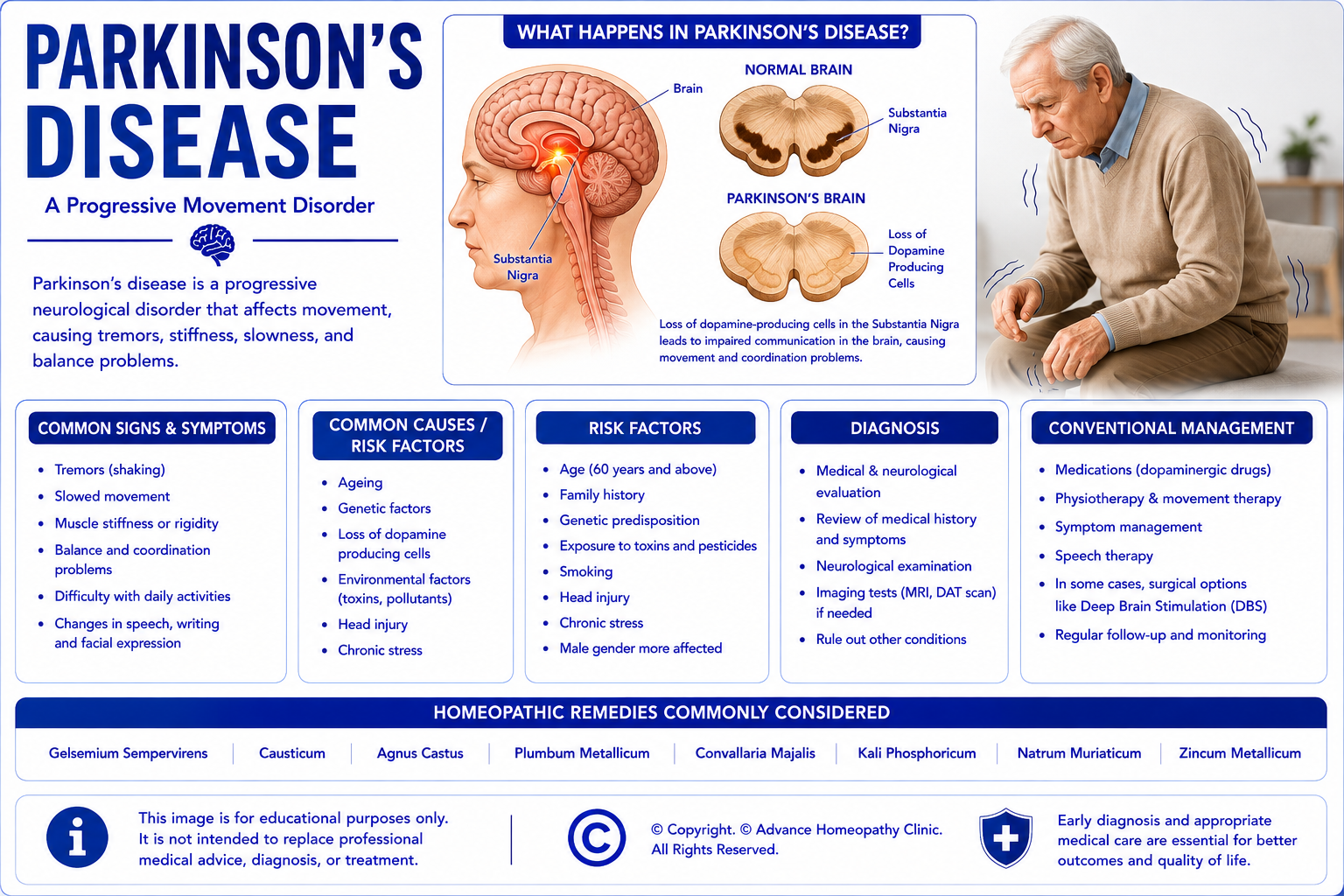
Common Signs & Symptoms of Parkinson's Disease
- Resting tremor
- Slowness of movement (bradykinesia)
- Muscle stiffness (rigidity)
- Difficulty initiating movement
- Reduced arm swing while walking
- Shuffling gait
- Impaired balance and posture
- Soft or reduced speech (hypophonia)
- Small handwriting (micrographia)
- Reduced facial expression (masked facies)
- Difficulty swallowing in advanced disease
- Constipation
- Sleep disturbances
- Depression or anxiety
- Cognitive impairment in some individuals
Risk Factors for Parkinson's Disease
- Increasing age
- Male gender
- Family history
- Genetic mutations in selected individuals
- Environmental toxin exposure
- Previous head injury
- Rural pesticide exposure (in some populations)
Conventional Management of Parkinson's Disease
Treatment is individualized according to symptom severity, functional impairment, and disease progression.
Conventional management commonly includes:
- Neurological evaluation
- Dopaminergic medications
- Levodopa therapy
- Dopamine agonists
- MAO-B inhibitors
- COMT inhibitors where indicated
- Physiotherapy
- Occupational therapy
- Speech and swallowing therapy
- Regular exercise programmes
- Nutritional support
- Deep Brain Stimulation (DBS) for selected patients
- Regular follow-up with a neurologist
Homeopathic Medicines Commonly Considered for Parkinson's Disease (Supportive Care)
Some homeopathic medicines that experienced homeopathic physicians may consider as part of an individualized supportive care plan include:
- Gelsemium Sempervirens
- Causticum
- Zincum Metallicum
- Agaricus Muscarius
- Plumbum Metallicum
- Rhus Toxicodendron
- Kali Phosphoricum
- Phosphorus
Homeopathic medicines should only be prescribed by a qualified homeopathic physician after an individualized clinical evaluation.
Important: Complementary Care for Parkinson's Disease
Parkinson's Disease should always be evaluated and managed by a qualified neurologist, preferably a movement disorder specialist, or another appropriately trained healthcare professional to confirm the diagnosis, distinguish Parkinson's disease from other parkinsonian syndromes, assess disease severity, evaluate motor and non-motor symptoms, and develop an individualized long-term management plan. Comprehensive evaluation commonly includes detailed neurological examination, assessment of gait, balance, tremor, rigidity, bradykinesia, cognitive function, autonomic symptoms, medication review, and additional investigations such as brain MRI or dopamine transporter imaging (DaTscan) when clinically indicated to support diagnosis or exclude alternative neurological disorders. Accurate diagnosis is essential because symptoms similar to Parkinson's disease may result from drug-induced parkinsonism, atypical parkinsonian syndromes, essential tremor, normal pressure hydrocephalus, vascular parkinsonism, Wilson's disease, or other neurodegenerative disorders, each requiring different management.
Patients with stable Parkinson's Disease may be considered for individualized homeopathic treatment as a complementary approach following appropriate neurological evaluation. Homeopathy may be integrated alongside dopaminergic medications, physiotherapy, occupational therapy, speech and swallowing therapy, regular exercise, balance and gait training, nutritional counselling, psychological support, fall prevention strategies, management of constipation and sleep disorders, and regular follow-up with their neurologist. Individualized homeopathic prescribing is based on the patient's complete clinical presentation, constitutional characteristics, motor and non-motor symptoms, disease stage, associated medical conditions, lifestyle factors, emotional well-being, and overall health rather than the diagnosis alone.
Patients should continue all recommended conventional treatment, including levodopa and other dopaminergic therapies, management of motor fluctuations and dyskinesias, physiotherapy, occupational therapy, speech and language therapy, swallowing assessment, deep brain stimulation (DBS) in appropriately selected patients, multidisciplinary rehabilitation, and regular neurological follow-up. Homeopathy should not be regarded as a substitute for evidence-based neurological care, particularly in patients with advanced Parkinson's disease, frequent falls, severe gait impairment, cognitive decline, swallowing difficulties, hallucinations, autonomic dysfunction, or those requiring advanced device-assisted therapies or neurosurgical intervention.
Patients with rapid functional decline, recurrent falls, progressive swallowing difficulty, severe weight loss, aspiration pneumonia, significant cognitive impairment, treatment-resistant motor fluctuations, recurrent hospital admissions, or uncertainty regarding the diagnosis should continue specialist neurological and multidisciplinary care. Homeopathy should not replace recommended pharmacological therapy, rehabilitation programmes, deep brain stimulation evaluation, swallowing assessment, nutritional support, or other evidence-based neurological interventions when these are advised by the treating specialist.
Patients who develop sudden inability to move, repeated falls with head injury, severe difficulty swallowing, choking episodes, aspiration, sudden confusion, high fever associated with marked worsening of Parkinsonian symptoms, loss of consciousness, or any sudden deterioration in their neurological condition should seek immediate medical attention, as these symptoms may indicate Parkinsonism-hyperpyrexia syndrome, aspiration pneumonia, severe medication-related complications, stroke, or another life-threatening neurological emergency requiring urgent hospital-based evaluation and treatment.
A Note About Homeopathic Medicines
The homeopathic medicines listed throughout this page are among the remedies that experienced homeopathic physicians may consider while providing individualized care for patients with neurological disorders. Homeopathic treatment is highly individualized, and the selection of a medicine is never based solely on the diagnosis.
Before recommending a homeopathic medicine, our doctors carefully evaluate several important factors, including:
- The patient's confirmed neurological diagnosis
- Presenting neurological symptoms and their severity
- Duration, progression, and pattern of symptoms
- Previous medical and surgical treatment
- MRI, CT scan, nerve conduction studies, electromyography (EMG), electroencephalography (EEG), and laboratory investigation findings where available
- Current medications
- Past medical history
- Family history
- Lifestyle factors
- Emotional and psychological well-being
- General physical health
- Individual constitutional characteristics
The most appropriate homeopathic medicine for one patient may differ from that selected for another individual with the same neurological disorder. For this reason, homeopathic medicines should always be prescribed following a comprehensive consultation with a qualified homeopathic doctor and used only as part of an individualized treatment plan.
Our Homeopathic Approach to Neurological Disorders
At Advance Homeopathy Clinic Dubai, we believe that every patient deserves individualized, comprehensive, and evidence-informed care. Our goal is not to replace conventional neurological treatment but to provide personalized homeopathic care that complements the treatment plan recommended by your neurologist or primary care physician.
During your consultation, our homeopathic doctors perform a detailed assessment that may include:
- Confirmed neurological diagnosis
- Presenting symptoms and their progression
- Previous medical and surgical treatment
- MRI, CT scan, nerve conduction studies (NCS), electromyography (EMG), electroencephalography (EEG), and other neurological investigations where available
- Blood investigations and laboratory reports
- Current medications
- Past medical history
- Family history
- Lifestyle assessment
- Individual constitutional assessment
This comprehensive evaluation allows us to develop an individualized homeopathic treatment plan based on each patient's unique clinical presentation.
Depending on the individual's condition, homeopathic treatment may be considered as part of a complementary care plan for patients experiencing symptoms such as:
- Recurrent migraine attacks
- Chronic headaches
- Facial nerve pain
- Facial muscle weakness
- Burning, tingling, or numbness due to peripheral nerve disorders
- Restless legs symptoms
- Post-herpetic nerve pain
- Balance and coordination difficulties
- Tremors and movement-related symptoms (supportive care)
- Muscle stiffness and slowness of movement (supportive care)
- General neurological well-being
Every treatment plan is individualized according to the patient's diagnosis, symptom profile, conventional medical treatment, treatment goals, and overall health. Homeopathy is offered as a complementary therapy alongside evidence-based neurological care.
Why Choose Advance Homeopathy Clinic Dubai?
Patients from Dubai, across the UAE, and from more than 20 countries representing over 100 nationalities have trusted Advance Homeopathy Clinic Dubai for individualized homeopathic care.
Why Patients Choose Us
- More than 35 years of clinical experience under the leadership of Dr. Aalim Dhandhukia
- Dubai Health Authority (DHA) licensed clinic and homeopathic doctors
- Individualized homeopathic treatment tailored to each patient's unique neurological condition
- Comprehensive medical evaluation before recommending treatment
- Homeopathy provided as a complementary therapy alongside conventional neurological care
- Evidence-based, ethical, and patient-centred clinical practice
- In-clinic and online consultations for patients in Dubai, across the UAE, and internationally
- Free First Consultation to help you understand whether homeopathy may play an appropriate complementary role in your treatment plan
Frequently Asked Questions About Neurological Disorders
Can homeopathy cure neurological disorders?
No. Homeopathy should not be considered a cure for neurological disorders and should never replace evidence-based neurological care. Patients should continue all recommended investigations, prescription medications, rehabilitation programmes, physiotherapy, and surgical treatment whenever advised by their neurologist or primary care physician. At Advance Homeopathy Clinic Dubai, homeopathy is offered only as a complementary therapy alongside conventional medical care.
Can I continue my prescribed neurological medicines while receiving homeopathic treatment?
Yes. Most patients continue their prescribed medications while receiving individualized homeopathic treatment. Any decision regarding modification or discontinuation of conventional treatment should always be made by the treating neurologist or primary care physician.
Can homeopathy help patients with chronic neurological disorders?
Many patients choose individualized homeopathic treatment as part of a comprehensive management plan for chronic neurological disorders such as Migraine, Peripheral Neuropathy, Trigeminal Neuralgia, Bell's Palsy, and other neurological conditions. Homeopathy may also be considered as supportive care for chronic neurological disorders such as Multiple Sclerosis and Parkinson's Disease while conventional medical treatment continues. Responses to treatment vary from person to person.
Will I need neurological investigations before starting homeopathic treatment?
Not every patient requires additional investigations. However, depending on your symptoms and previous medical history, we may advise appropriate investigations such as MRI, CT scan, nerve conduction studies (NCS), electromyography (EMG), electroencephalography (EEG), blood tests, or other neurological investigations before or during treatment. These investigations help establish an accurate diagnosis and ensure that serious neurological conditions are not overlooked.
Are homeopathic medicines safe?
Homeopathic medicines should always be prescribed by a qualified homeopathic doctor following a comprehensive clinical assessment. At Advance Homeopathy Clinic Dubai, every patient's neurological condition is carefully evaluated before an individualized treatment plan is recommended.
Are online consultations available?
Yes. We provide both in-clinic and online consultations for patients in Dubai, across the UAE, and internationally, allowing patients to receive individualized homeopathic guidance regardless of their location.
Our Commitment to Evidence-Based Neurological Care
At Advance Homeopathy Clinic Dubai, patient safety, ethical medical practice, and evidence-informed healthcare remain our highest priorities.
We firmly believe that every patient with a neurological disorder should receive timely diagnosis and appropriate treatment under the care of a qualified neurologist or primary care physician.
We strongly encourage patients to continue all investigations and treatments recommended by their treating physician, which may include:
- Blood investigations
- MRI of the brain and spine
- CT scan where indicated
- Nerve Conduction Studies (NCS)
- Electromyography (EMG)
- Electroencephalography (EEG)
- Lumbar puncture where clinically indicated
- Genetic testing for selected neurological disorders
- Prescription medications
- Physiotherapy and rehabilitation programmes
- Occupational therapy
- Speech and swallowing therapy
- Deep Brain Stimulation (DBS) or other surgical procedures where medically necessary
- Regular neurological follow-up
Our role is to provide individualized homeopathic care that complements conventional neurological management. Depending on each patient's individual needs, homeopathy may be considered to help support symptom management and improve overall quality of life.
We do not advise patients to delay, discontinue, or refuse conventional medical treatment in favour of homeopathy. All decisions regarding neurological healthcare should remain under the guidance of the treating neurologist or primary care physician.
We believe that the best patient outcomes are achieved through collaboration, where complementary homeopathic care is integrated responsibly alongside modern evidence-based medicine.
Research in Homeopathy and Neurological Disorders
Research Overview
Homeopathy has been investigated as a complementary approach in the management of selected neurological disorders, particularly Migraine, which has received considerably more scientific attention than most other neurological conditions. Published research has also explored homeopathic interventions in patients with Tension-Type Headache, Peripheral Neuropathy, Trigeminal Neuralgia, Bell's Palsy, Restless Legs Syndrome, Post-Herpetic Neuralgia, Multiple Sclerosis, and Parkinson's Disease, although the quantity and quality of available evidence vary substantially between these disorders.
The available scientific literature includes randomized controlled trials, observational studies, pragmatic clinical studies, case series, systematic reviews, and narrative reviews. Most published studies have evaluated outcomes such as headache frequency, pain intensity, symptom severity, quality of life, disability scores, sleep quality, functional status, medication use, and patient-reported improvement, rather than objective neurological outcomes such as disease progression, relapse rates, neuroimaging changes, disability progression, or long-term preservation of neurological function.
Among neurological disorders, Migraine has received the greatest research attention. Several randomized controlled trials and observational studies have investigated individualized homeopathic treatment as a complementary intervention for recurrent migraine, with some studies reporting reductions in headache frequency or improvements in patient-reported outcomes. However, the overall evidence remains inconsistent, and findings have not been uniformly replicated across studies. Comparatively less high-quality clinical research is available for Trigeminal Neuralgia, Peripheral Neuropathy, Bell's Palsy, Restless Legs Syndrome, Post-Herpetic Neuralgia, Multiple Sclerosis, and Parkinson's Disease, where published evidence consists largely of small observational studies, case reports, or preliminary investigations.
Because individualized homeopathic prescribing is based on each patient's complete clinical presentation, constitutional characteristics, neurological symptoms, disease pattern, associated medical conditions, medical history, lifestyle factors, and overall health rather than the diagnosis alone, evaluating individualized treatment using conventional randomized clinical trial methodology presents important methodological challenges. Consequently, the available evidence should be interpreted with appropriate consideration of both its strengths and its limitations.
Current State of Research
Published neurological research includes randomized controlled trials, observational studies, pragmatic clinical studies, systematic reviews, and meta-analyses evaluating homeopathy as a complementary intervention alongside conventional neurological care. Some individual studies have reported improvements in headache frequency, symptom severity, pain scores, sleep quality, quality of life, and patient satisfaction among selected patients receiving individualized homeopathic treatment in addition to standard medical management.
However, the overall body of scientific evidence remains limited, heterogeneous, and condition specific. Many published studies involve relatively small sample sizes, differences in diagnostic criteria, individualized prescribing methods, inconsistent outcome measures, short follow-up periods, and methodological limitations that reduce the certainty of their findings. Importantly, most studies evaluate subjective clinical outcomes, such as pain or quality of life, rather than demonstrating improvements in objective neurological outcomes, including preservation of neurological function, reduction in disease progression, prevention of disability, relapse reduction in Multiple Sclerosis, slowing of neurodegeneration in Parkinson's Disease, or long-term functional independence.
Systematic reviews generally conclude that current evidence is insufficient to establish homeopathy as an effective treatment for neurological diseases or to recommend its routine use as part of standard neurological practice. Although some studies involving migraine and selected chronic neurological symptoms have reported encouraging findings, further well-designed, adequately powered, independently replicated clinical trials using standardized diagnostic criteria, validated neurological outcome measures, objective functional assessments, neuroimaging where appropriate, longer follow-up, and clinically meaningful neurological endpoints are required before firm conclusions can be drawn regarding the role of individualized homeopathic care in neurology.
Current international neurological guidelines continue to recommend early diagnosis, neurological examination, appropriate neuroimaging, disease-specific pharmacological therapy, rehabilitation, physiotherapy, occupational therapy, speech and language therapy, psychological support, pain management, neurosurgical intervention where indicated, and long-term specialist neurological follow-up as the foundation of modern neurological care. Complementary therapies, including homeopathy, should therefore be regarded only as supportive approaches that may be considered alongside—but never as replacements for—evidence-based neurological treatment.
Our Clinical Perspective
At Advance Homeopathy Clinic Dubai, we believe that successful neurological care begins with accurate diagnosis, early intervention, preservation of neurological function, prevention of disability, comprehensive rehabilitation, and timely evidence-based treatment whenever required. Modern neurology has significantly improved outcomes for many neurological disorders through advances in neuroimaging, disease-modifying therapies, movement disorder management, neuropathic pain treatment, stroke prevention, and multidisciplinary rehabilitation. These evidence-based interventions should never be delayed or replaced by complementary therapies when medically indicated.
Our role is to provide individualized homeopathic care as a complementary approach, integrated within each patient's overall neurological management plan. Every patient undergoes a comprehensive assessment that includes the confirmed neurological diagnosis, symptom pattern, neurological examination findings, imaging studies such as MRI or CT where available, neurophysiological investigations such as NCS, EMG, or EEG where relevant, associated medical conditions, current medications, constitutional characteristics, lifestyle, emotional well-being, and overall health before an individualized homeopathic medicine is selected.
Throughout this article, we have consistently emphasized that homeopathy is presented only as a complementary approach within modern neurological care. We do not present homeopathy as a substitute for neurological evaluation, brain or spinal imaging, disease-modifying therapy for Multiple Sclerosis, dopaminergic therapy for Parkinson's Disease, migraine preventive therapy, anticonvulsant treatment for Trigeminal Neuralgia, corticosteroid therapy for Bell's Palsy, rehabilitation programmes, neurosurgical procedures, or any other evidence-based neurological treatment recommended by the treating physician.
Patients with Multiple Sclerosis, Parkinson's Disease, Peripheral Neuropathy, Trigeminal Neuralgia, Bell's Palsy, or other chronic neurological disorders should continue regular specialist neurological follow-up, rehabilitation programmes, prescribed medications, and periodic reassessment of neurological function. Patients experiencing new neurological deficits, rapidly progressive symptoms, recurrent falls, worsening mobility, swallowing difficulties, or cognitive decline should undergo prompt specialist reassessment rather than delaying evidence-based treatment.
Patients who develop sudden severe headache, weakness of the face, arm, or leg, difficulty speaking, seizures, sudden visual loss, loss of consciousness, severe dizziness, rapidly progressive neurological symptoms, or any sudden deterioration in their neurological condition should seek immediate emergency medical attention, as these situations may represent stroke, intracranial haemorrhage, meningitis, encephalitis, spinal cord compression, acute Multiple Sclerosis relapse, or other life-threatening neurological emergencies requiring urgent hospital-based evaluation and treatment.
Our approach combines individualized homeopathic prescribing, careful clinical assessment, collaboration with neurologists and rehabilitation specialists whenever appropriate, and an evidence-informed understanding of current neurological research. As scientific knowledge continues to evolve, we remain committed to integrating emerging evidence into clinical practice while maintaining the principles of individualized patient care, patient safety, responsible integrative healthcare, and ethical medical practice.
