
Pulmonology (Respiratory Diseases): Individualized Homeopathic Care in Dubai
Comprehensive Homeopathic Care for Respiratory Diseases
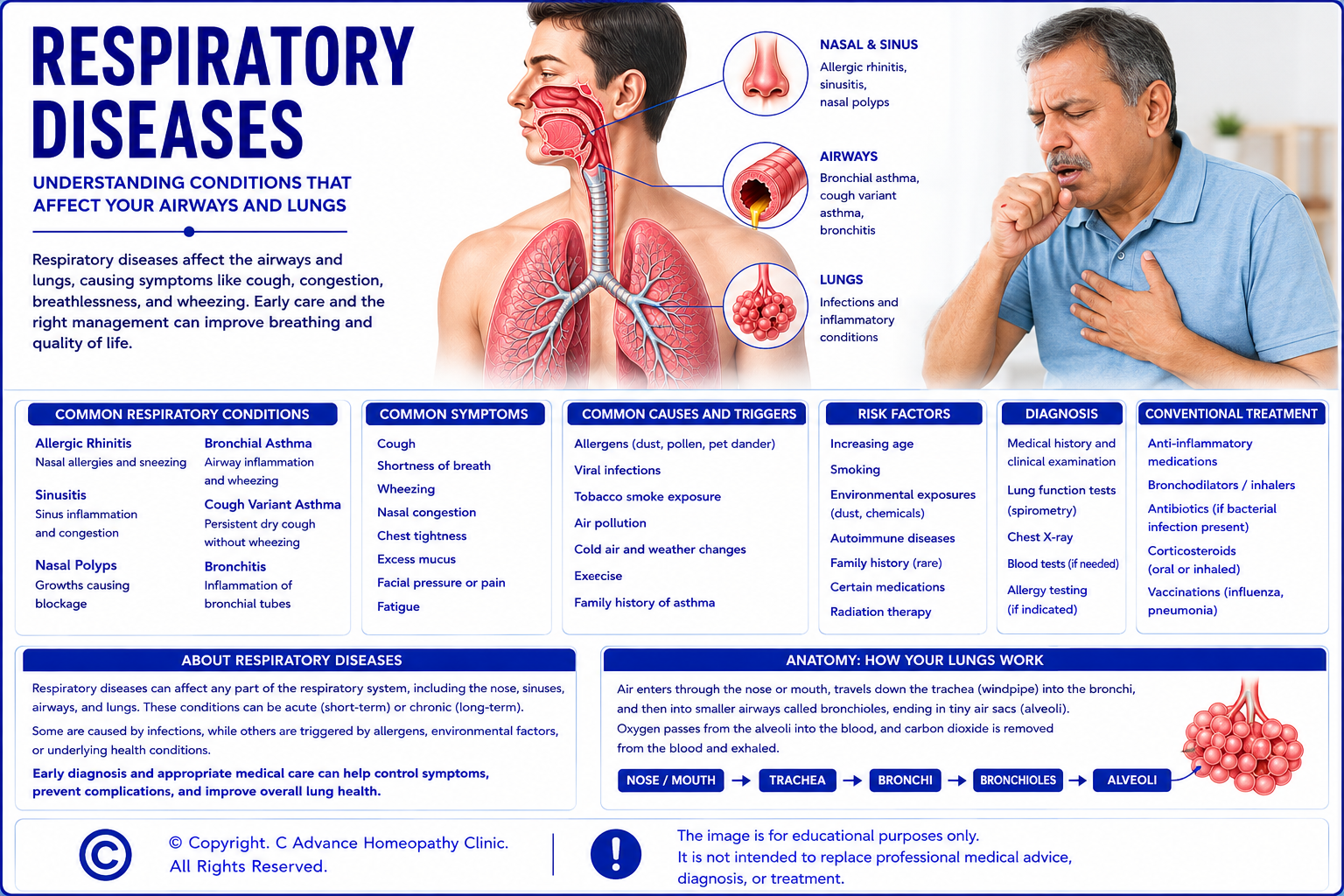
The respiratory system plays a vital role in supplying oxygen to the body and removing carbon dioxide through normal breathing. Healthy lungs and airways are essential for maintaining energy levels, physical activity, sleep quality, and overall well-being. Respiratory diseases may affect the airways, lungs, or surrounding structures, leading to symptoms such as cough, wheezing, shortness of breath, chest tightness, sputum production, reduced exercise tolerance, and impaired quality of life.
Respiratory diseases encompass a broad range of acute and chronic conditions. Some primarily involve inflammation and narrowing of the airways, such as Bronchial Asthma and Cough Variant Asthma, while others are characterised by persistent airflow limitation, including Chronic Obstructive Pulmonary Disease (COPD) and Chronic Bronchitis. Certain conditions, such as Pulmonary Fibrosis, involve progressive scarring of the lung tissue, which may gradually reduce lung function and affect oxygen exchange.
Many respiratory diseases are chronic conditions that require long-term medical care, regular monitoring, and appropriate treatment to reduce symptoms, prevent exacerbations, preserve lung function, and minimise complications. Early diagnosis and timely intervention play an important role in improving symptom control, maintaining physical activity, and enhancing quality of life.
At Advance Homeopathy Clinic Dubai, we provide individualized homeopathic care for patients with a wide range of respiratory conditions, including Bronchial Asthma, Chronic Obstructive Pulmonary Disease (COPD), Chronic Bronchitis, Cough Variant Asthma, and Pulmonary Fibrosis. Our homeopathic approach considers the patient's complete symptom picture, constitutional characteristics, medical history, associated medical conditions, environmental exposures, lifestyle, emotional well-being, and overall health rather than focusing solely on the diagnosis.
Homeopathy is offered as a complementary approach alongside conventional respiratory care. Our goal is to support symptom management, improve overall well-being, and enhance quality of life while encouraging patients to continue appropriate medical investigations, prescribed medications, inhaler therapy, pulmonary rehabilitation, smoking cessation programmes, vaccinations, and regular follow-up with their pulmonologist, respiratory physician, or other healthcare professionals whenever required.
Understanding Important Pulmonology Tests
Respiratory diseases often produce similar symptoms such as cough, wheezing, chest tightness, and shortness of breath. To identify the underlying cause and assess the severity of lung disease, doctors may recommend specialised lung function tests. These investigations provide valuable information about how well the lungs are working and help guide diagnosis, treatment, and long-term follow-up.

Pulmonary Function Test (PFT) / Spirometry
Pulmonary Function Testing (PFT), commonly called Spirometry, is one of the most important investigations used to evaluate lung function. The test measures how much air you can breathe in, how much air you can breathe out, and how quickly you can empty your lungs. During the test, you take a deep breath and blow as hard and as fast as possible into a mouthpiece connected to a computer. The procedure is simple, painless, and usually takes only a few minutes. Spirometry helps doctors diagnose conditions such as Bronchial Asthma and Chronic Obstructive Pulmonary Disease (COPD), assess disease severity, monitor disease progression, and evaluate response to treatment.
Understanding Common Spirometry Measurements
FEV₁ (Forced Expiratory Volume in One Second)
FEV₁ measures how much air you can forcefully breathe out during the first second after taking a deep breath. Lower-than-normal values usually indicate narrowing or obstruction of the airways and help doctors assess the severity of airflow limitation.
FVC (Forced Vital Capacity)
FVC measures the total amount of air you can exhale forcefully after taking the deepest possible breath. This value reflects the overall capacity of the lungs to move air during a forced breath.
FEV₁/FVC Ratio
This ratio compares the amount of air exhaled in the first second (FEV₁) with the total amount of air exhaled (FVC). Doctors use this measurement to determine whether airflow obstruction is present.
- A reduced FEV₁/FVC ratio commonly suggests obstructive airway diseases such as Bronchial Asthma or COPD.
- A normal or preserved ratio with reduced lung volumes may suggest a restrictive lung disease such as Pulmonary Fibrosis.
The results are always interpreted together with the patient's symptoms, medical history, physical examination, and other investigations.
Bronchodilator Reversibility Test
This test is performed as part of spirometry. Lung function is measured before and after using a bronchodilator (reliever) inhaler. If lung function improves significantly after the medication, it supports the diagnosis of Bronchial Asthma, where airway narrowing is usually reversible. In contrast, patients with COPD generally show less improvement because the airflow limitation tends to be more persistent.
Peak Expiratory Flow (Peak Flow Meter)
Peak Expiratory Flow (PEF) measures how quickly you can blow air out of your lungs. Many patients with asthma use a handheld Peak Flow Meter at home to monitor their lung function. Regular monitoring may help detect worsening asthma before symptoms become severe and can assist both patients and doctors in evaluating asthma control over time.
Pulse Oximetry
Pulse oximetry is a simple, painless test that measures the oxygen saturation (SpO₂) of your blood using a small sensor placed on your fingertip. It helps doctors assess how effectively oxygen is being transferred from the lungs into the bloodstream and is commonly used in asthma, COPD, pulmonary fibrosis, respiratory infections, and many other respiratory conditions.
Arterial Blood Gas (ABG)
An Arterial Blood Gas (ABG) test measures the levels of oxygen, carbon dioxide, and the acid-base balance of the blood. Unlike routine blood tests, the sample is taken from an artery, usually at the wrist. ABG testing is generally performed in hospitals for patients with severe breathing difficulties or critically ill individuals, helping doctors assess the severity of respiratory failure and guide emergency treatment.
Why Are Lung Function Tests Important?
Lung function tests help doctors:
- Diagnose respiratory diseases accurately.
- Differentiate between obstructive and restrictive lung diseases.
- Assess the severity of lung impairment.
- Monitor disease progression over time.
- Evaluate response to treatment.
- Guide long-term management and follow-up.
These investigations are interpreted together with your medical history, physical examination, imaging studies when required, and clinical findings to arrive at an accurate diagnosis and an individualized treatment plan.
Understanding Respiratory Diseases
Pulmonology is the branch of medicine concerned with the prevention, diagnosis, treatment, and long-term management of diseases affecting the lungs, airways, and respiratory system. The respiratory system includes the nose, throat, trachea (windpipe), bronchi, bronchioles, lungs, and the tiny air sacs called alveoli, where oxygen enters the bloodstream and carbon dioxide is removed from the body.
Respiratory diseases may affect different parts of the respiratory system and develop through several different mechanisms. Some conditions are characterised by chronic inflammation and narrowing of the airways, making breathing difficult, while others result in persistent airflow obstruction, excessive mucus production, structural damage to the lungs, or progressive scarring of lung tissue that reduces the lungs' ability to transfer oxygen into the bloodstream.
Respiratory disorders may develop because of:
- Chronic inflammation of the airways
- Allergic reactions and airway hyper-responsiveness
- Long-term exposure to cigarette smoke or second-hand smoke
- Occupational exposure to dust, chemicals, or fumes
- Environmental air pollution
- Respiratory infections
- Genetic predisposition
- Abnormal immune or inflammatory responses
- Progressive scarring (fibrosis) of lung tissue
- Age-related decline in lung function
- Other underlying medical conditions affecting the lungs
Although many respiratory diseases share common symptoms such as cough, wheezing, shortness of breath, chest tightness, and sputum production, the underlying causes, disease progression, and treatment approaches differ considerably. For example, bronchial asthma is characterised by reversible airway narrowing and inflammation, whereas Chronic Obstructive Pulmonary Disease (COPD) usually causes persistent airflow limitation that is often progressive. Pulmonary fibrosis primarily affects the lung tissue itself, leading to scarring that restricts normal lung expansion and impairs oxygen exchange.
Because symptoms often overlap between different respiratory conditions, an accurate diagnosis usually requires a combination of clinical evaluation, lung function testing, imaging studies, laboratory investigations, and, in some cases, specialist respiratory assessment.
Early diagnosis is particularly important because timely treatment may help improve symptom control, reduce the frequency of exacerbations, preserve lung function, minimise complications, and improve long-term quality of life.
How Homeopathy May Support Respiratory Diseases
Homeopathy is an individualized system of medicine in which treatment is selected according to the patient's unique symptom pattern rather than the diagnosis alone. During consultation, the homeopathic physician evaluates the presenting respiratory condition together with the patient's constitutional characteristics, medical history, symptom progression, associated medical conditions, environmental exposures, occupational history, allergy profile, lifestyle, emotional well-being, and the overall pattern of symptoms before selecting an appropriate remedy.
Respiratory diseases vary considerably in their underlying causes, severity, pattern of progression, and response to treatment. Two patients diagnosed with the same respiratory condition may experience different symptoms, triggers, frequency of exacerbations, lung function, associated allergies, environmental sensitivities, and impact on daily life. For this reason, every patient requires an individualized clinical assessment rather than a one-size-fits-all treatment approach.
Depending on the individual's clinical presentation, homeopathic treatment may be considered as a complementary approach for patients experiencing:
- Recurrent wheezing
- Chronic cough
- Allergic respiratory conditions
- Episodic breathlessness
- Chest tightness
- Persistent sputum production
- Recurrent respiratory infections
- Exercise-related respiratory symptoms
- Environmental or seasonal respiratory symptom aggravations
- Chronic respiratory symptoms affecting daily activities and quality of life
Homeopathy should complement—not replace—conventional respiratory care. Patients are encouraged to continue prescribed inhalers, controller medications, rescue medications, pulmonary rehabilitation programmes, smoking cessation measures, vaccinations, recommended investigations, and regular follow-up with their pulmonologist, respiratory physician, or other healthcare professionals.
Homeopathy should never be used as a substitute for emergency medical treatment during severe asthma attacks, acute exacerbations of Chronic Obstructive Pulmonary Disease (COPD), significant breathing difficulty, respiratory failure, or any other medical emergency requiring immediate hospital care.
1. Bronchial Asthma
What is Bronchial Asthma?
Bronchial Asthma is a common chronic inflammatory disease of the airways characterised by episodes of reversible airway narrowing, increased airway sensitivity (airway hyper-responsiveness), and variable airflow obstruction. During an asthma attack, the muscles surrounding the airways tighten, the lining of the airways becomes inflamed and swollen, and excess mucus may be produced, making it difficult for air to move freely in and out of the lungs.
Asthma affects people of all ages and often begins during childhood, although it may develop at any stage of life. Symptoms may vary considerably between individuals and over time. Some people experience only occasional episodes triggered by allergens, exercise, respiratory infections, cold air, or environmental irritants, while others may have persistent symptoms requiring long-term controller medication. With appropriate diagnosis, regular monitoring, avoidance of known triggers, and adherence to prescribed treatment, most people with asthma are able to achieve good symptom control and maintain an active lifestyle.

Common Signs & Symptoms of Bronchial Asthma
Patients with bronchial asthma may experience one or more of the following symptoms:
- Recurrent wheezing
- Shortness of breath
- Chest tightness
- Persistent or recurrent cough
- Cough that is worse at night or early in the morning
- Difficulty breathing during or after exercise
- Symptoms triggered by allergens, dust, smoke, cold air, or respiratory infections
- Prolonged expiration during breathing
- Variable symptoms that improve with prescribed bronchodilator medication
- Recurrent episodes of respiratory symptoms with symptom-free intervals
Risk Factors for Bronchial Asthma
Several factors may increase the likelihood of developing bronchial asthma, including:
- Personal or family history of asthma
- Allergic rhinitis (hay fever)
- Atopic dermatitis (eczema)
- Family history of allergic diseases
- Exposure to environmental allergens such as dust mites, pollen, mould, or animal dander
- Tobacco smoke exposure
- Air pollution
- Occupational exposure to dust, chemicals, or fumes
- Respiratory viral infections during early childhood
- Obesity
- Exercise-induced bronchoconstriction in susceptible individuals
Conventional Management of Bronchial Asthma
The primary goals of asthma treatment are to achieve good symptom control, prevent acute exacerbations, maintain normal activity levels, preserve lung function, and minimise future risk.
Conventional management may include:
- Patient education and self-management
- Identification and avoidance of known triggers
- Inhaled corticosteroids (ICS)
- Combination inhalers containing inhaled corticosteroids and long-acting bronchodilators where indicated
- Short-acting bronchodilator (reliever) inhalers for symptom relief
- Long-acting bronchodilators in selected patients
- Leukotriene receptor antagonists in selected patients
- Biological therapies for severe asthma where appropriate
- Allergy management when indicated
- Written asthma action plan
- Pulmonary function testing and regular monitoring
- Recommended vaccinations
- Regular follow-up with a pulmonologist or respiratory physician
Homeopathic Medicines Commonly Considered for Bronchial Asthma
Some homeopathic medicines that may be considered by experienced homeopathic physicians for bronchial asthma include:
- Arsenicum Album
- Ipecacuanha
- Blatta Orientalis
- Natrum Sulphuricum
- Spongia Tosta
- Antimonium Tartaricum
- Sambucus Nigra
- Kali Carbonicum
Homeopathic medicines should only be prescribed by a qualified homeopathic physician after an individualized clinical evaluation.
Important: Complementary Care for Bronchial Asthma
Bronchial Asthma should always be evaluated and managed by a qualified pulmonologist, respiratory physician, allergist, or appropriately trained healthcare professional to confirm the diagnosis, determine the severity of asthma, identify trigger factors, assess the level of asthma control, evaluate lung function, and develop an individualized long-term management plan. Comprehensive evaluation commonly includes a detailed medical history, assessment of symptom frequency, nighttime symptoms, exercise tolerance, previous asthma exacerbations and hospitalizations, identification of allergic and environmental triggers, physical examination of the respiratory system, Pulmonary Function Testing (Spirometry), bronchodilator reversibility testing, Peak Expiratory Flow (PEF) monitoring where appropriate, allergy assessment in selected patients, pulse oximetry during acute exacerbations, chest X-ray when alternative diagnoses are suspected, High-Resolution Computed Tomography (HRCT) or other imaging studies in selected patients, and additional investigations based on the patient's clinical presentation. Accurate diagnosis is essential because recurrent wheezing, cough, chest tightness, and breathlessness may also result from Chronic Obstructive Pulmonary Disease (COPD), Cough Variant Asthma, respiratory infections, bronchiectasis, vocal cord dysfunction, heart failure, pulmonary embolism, gastroesophageal reflux disease (GERD), interstitial lung disease, or other respiratory and cardiovascular disorders, each requiring different management.
Patients with stable Bronchial Asthma may be considered for individualized homeopathic treatment as a complementary approach following appropriate respiratory evaluation. Homeopathy may be integrated alongside prescribed controller and reliever inhalers, individualized asthma action plans, avoidance of identified trigger factors, education regarding correct inhaler technique, regular physical activity appropriate to asthma control, pulmonary rehabilitation where indicated, smoking cessation where applicable, maintenance of recommended vaccinations including influenza and pneumococcal vaccination where appropriate, healthy lifestyle measures, and regular follow-up with their pulmonologist or respiratory physician. Individualized homeopathic prescribing is based on the patient's complete clinical presentation, constitutional characteristics, pattern of respiratory symptoms, trigger profile, frequency of exacerbations, lung function, associated allergic disorders, environmental exposures, occupational history, associated medical conditions, lifestyle factors, emotional well-being, and overall health rather than the diagnosis alone.
Patients should continue all recommended conventional treatment, including inhaled corticosteroids (ICS), short-acting bronchodilator (reliever) inhalers, long-acting bronchodilator therapy where indicated, combination inhalers, leukotriene receptor antagonists in selected patients, biologic therapies for severe asthma when appropriate, regular Pulmonary Function Testing (Spirometry), Peak Flow monitoring where indicated, avoidance of trigger factors, written asthma action plans, recommended vaccinations, pulmonary rehabilitation where appropriate, and regular follow-up with their pulmonologist or respiratory physician. Homeopathy should not be regarded as a substitute for evidence-based respiratory care, particularly in patients with moderate to severe persistent asthma, recurrent severe exacerbations, previous intensive care admission for asthma, poor asthma control despite appropriate treatment, severe allergic asthma, significant airflow limitation, or those requiring biologic therapy or hospitalization.
Patients with persistent symptoms despite appropriate treatment, frequent need for reliever inhalers, recurrent nighttime symptoms, repeated asthma exacerbations, declining lung function, reduced exercise tolerance, uncertainty regarding the diagnosis, or suspected alternative respiratory disorders should continue specialist respiratory follow-up and regular reassessment. Homeopathy should not replace recommended Pulmonary Function Testing, Peak Flow monitoring, allergy assessment, prescribed inhalers, biologic therapies, pulmonary rehabilitation, or other evidence-based respiratory treatments recommended by the treating specialist.
Patients who develop severe breathlessness, inability to speak in complete sentences because of breathlessness, bluish discoloration of the lips or face (cyanosis), marked respiratory distress, poor response to prescribed rescue inhalers, confusion, drowsiness, exhaustion, rapidly worsening wheezing, silent chest on auscultation, or any sudden deterioration in respiratory status should seek immediate emergency medical attention, as these symptoms may indicate a severe acute asthma exacerbation (status asthmaticus), acute respiratory failure, pneumothorax, pulmonary embolism, severe pneumonia, or another life-threatening respiratory emergency requiring urgent hospital-based evaluation and treatment.
2. Chronic Obstructive Pulmonary Disease (COPD)
What is Chronic Obstructive Pulmonary Disease (COPD)?
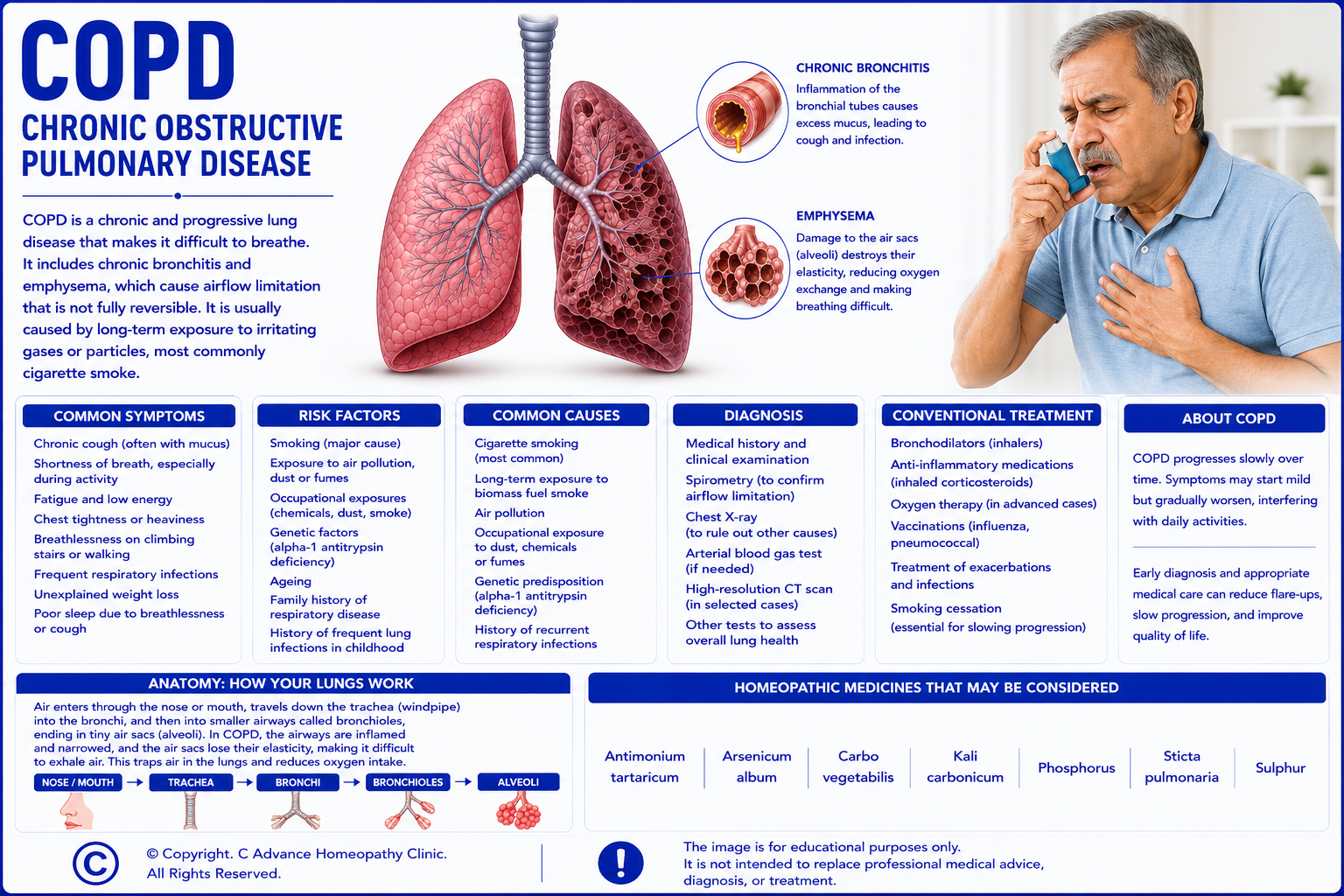
Chronic Obstructive Pulmonary Disease (COPD) is a chronic, progressive lung disease characterised by persistent airflow limitation that makes breathing increasingly difficult over time. The condition usually develops gradually after many years of exposure to harmful particles or gases, most commonly cigarette smoking, although long-term exposure to biomass fuel smoke, air pollution, occupational dust, and certain genetic conditions may also contribute to its development.
COPD is an umbrella term that commonly includes chronic bronchitis and emphysema. In chronic bronchitis, persistent inflammation of the airways leads to excessive mucus production and a chronic productive cough. In emphysema, damage to the air sacs (alveoli) reduces the lungs' ability to exchange oxygen efficiently. Many patients have features of both conditions.
Although COPD is a long-term condition, early diagnosis, smoking cessation, appropriate medications, pulmonary rehabilitation, regular physical activity, and ongoing medical care can help relieve symptoms, reduce exacerbations, slow disease progression, improve quality of life, and maintain daily functioning.
Common Signs & Symptoms of Chronic Obstructive Pulmonary Disease (COPD)
Patients with COPD may experience one or more of the following symptoms:
- Persistent shortness of breath, particularly during physical activity
- Chronic cough
- Daily sputum (phlegm) production
- Wheezing
- Chest tightness
- Frequent respiratory infections
- Reduced exercise tolerance
- Fatigue related to chronic respiratory limitation
- Gradual worsening of breathing over time
- Episodes of sudden worsening of symptoms (acute exacerbations)
Risk Factors for Chronic Obstructive Pulmonary Disease (COPD)
Several factors may increase the likelihood of developing COPD, including:
- Cigarette smoking
- Long-term exposure to second-hand smoke
- Occupational exposure to dust, chemicals, or fumes
- Indoor biomass fuel smoke exposure
- Outdoor air pollution
- Increasing age
- Alpha-1 Antitrypsin Deficiency (genetic disorder)
- Recurrent respiratory infections
- Poor lung growth during childhood
- History of asthma in some individuals
Conventional Management of Chronic Obstructive Pulmonary Disease (COPD)
The primary goals of treatment are to relieve symptoms, reduce the frequency and severity of exacerbations, improve exercise capacity, preserve lung function, and enhance quality of life.
Conventional management may include:
- Smoking cessation
- Pulmonary rehabilitation programmes
- Long-acting bronchodilator inhalers
- Combination inhaler therapy where indicated
- Inhaled corticosteroids for selected patients
- Vaccinations, including influenza and pneumococcal vaccines
- Regular physical activity and exercise programmes
- Oxygen therapy for selected patients with chronic hypoxaemia
- Nutritional support where appropriate
- Management of acute exacerbations
- Regular pulmonary function testing and follow-up with a pulmonologist
Homeopathic Medicines Commonly Considered for Chronic Obstructive Pulmonary Disease (COPD)
Some homeopathic medicines that may be considered by experienced homeopathic physicians for COPD include:
- Antimonium Tartaricum
- Arsenicum Album
- Carbo Vegetabilis
- Kali Carbonicum
- Lycopodium Clavatum
- Blatta Orientalis
- Senega
- Ammonium Carbonicum
Homeopathic medicines should only be prescribed by a qualified homeopathic physician after an individualized clinical evaluation.
Important: Complementary Care for Chronic Obstructive Pulmonary Disease (COPD)
Chronic Obstructive Pulmonary Disease (COPD) should always be evaluated and managed by a qualified pulmonologist, respiratory physician, or appropriately trained healthcare professional to confirm the diagnosis, determine the severity of airflow limitation, identify risk factors and contributing conditions, assess symptom burden and exercise capacity, evaluate the frequency of exacerbations, and develop an individualized long-term management plan. Comprehensive evaluation commonly includes a detailed medical history including smoking history and occupational exposure, assessment of breathlessness, chronic cough, sputum production, exercise tolerance, previous exacerbations and hospitalizations, physical examination of the respiratory system, Pulmonary Function Testing (Spirometry) before and after bronchodilator administration, pulse oximetry, chest X-ray, High-Resolution Computed Tomography (HRCT) where clinically indicated, arterial blood gas analysis in selected patients, six-minute walk test where appropriate, laboratory investigations including alpha-1 antitrypsin testing in selected patients, and additional investigations based on the patient's clinical presentation. Accurate diagnosis is essential because chronic breathlessness and cough may also result from Bronchial Asthma, bronchiectasis, interstitial lung disease, pulmonary fibrosis, heart failure, pulmonary hypertension, lung cancer, chronic infections, or other respiratory and cardiovascular disorders, each requiring different management.
Patients with stable COPD may be considered for individualized homeopathic treatment as a complementary approach following appropriate respiratory evaluation. Homeopathy may be integrated alongside smoking cessation programmes, prescribed inhaled medications, pulmonary rehabilitation, supervised exercise programmes, breathing exercises, nutritional optimization, recommended vaccinations including influenza and pneumococcal vaccination where appropriate, oxygen therapy when prescribed, healthy lifestyle measures, and regular follow-up with their pulmonologist or respiratory physician. Individualized homeopathic prescribing is based on the patient's complete clinical presentation, constitutional characteristics, respiratory symptoms, severity of airflow limitation, exacerbation history, associated medical conditions, smoking history, occupational exposures, lifestyle factors, emotional well-being, and overall health rather than the diagnosis alone.
Patients should continue all recommended conventional treatment, including smoking cessation, inhaled bronchodilator therapy, inhaled corticosteroids where indicated, combination inhaler therapy, pulmonary rehabilitation, long-term oxygen therapy for eligible patients, non-invasive ventilation where appropriate, nutritional support, recommended vaccinations, prompt treatment of respiratory infections, management of associated cardiovascular and metabolic conditions, and regular Pulmonary Function Testing (Spirometry) with specialist respiratory follow-up. Homeopathy should not be regarded as a substitute for evidence-based respiratory care, particularly in patients with advanced COPD, severe airflow limitation, frequent exacerbations, chronic respiratory failure, significant hypoxaemia, pulmonary hypertension, repeated hospital admissions, or those requiring oxygen therapy, ventilatory support, or other advanced respiratory interventions.
Patients with persistent breathlessness despite appropriate treatment, declining exercise tolerance, recurrent exacerbations, repeated hospital admissions, progressive reduction in lung function, unexplained weight loss, uncertainty regarding the diagnosis, or suspected complications such as bronchiectasis, pulmonary hypertension, or lung cancer should continue specialist respiratory follow-up and regular reassessment. Homeopathy should not replace recommended Pulmonary Function Testing, imaging studies, pulmonary rehabilitation, oxygen therapy, prescribed inhalers, or other evidence-based respiratory treatments recommended by the treating specialist.
Patients who develop severe breathlessness at rest, bluish discoloration of the lips or face (cyanosis), marked respiratory distress, confusion, drowsiness, inability to speak because of breathlessness, coughing up significant amounts of blood, chest pain suggestive of a cardiac event, sudden worsening of oxygen saturation, high fever associated with severe respiratory symptoms, or any sudden deterioration in respiratory status should seek immediate emergency medical attention, as these symptoms may indicate an acute COPD exacerbation, acute respiratory failure, severe pneumonia, pneumothorax, pulmonary embolism, acute cardiac disease, or another life-threatening respiratory emergency requiring urgent hospital-based evaluation and treatment.
3. Chronic Bronchitis
What is Chronic Bronchitis?
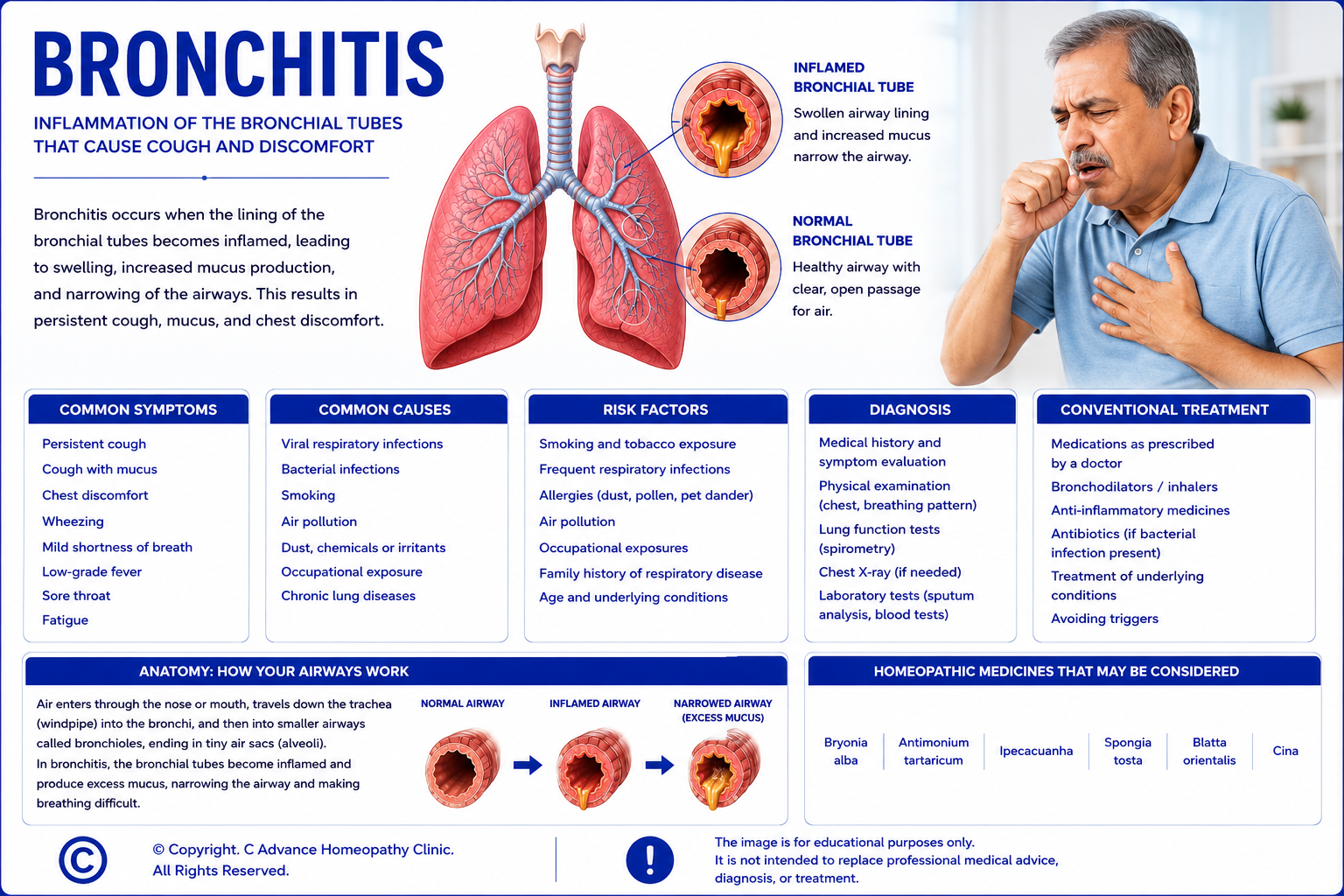
Chronic Bronchitis is a long-term inflammatory disease of the bronchi (large airways) characterised by persistent cough and excessive mucus (phlegm) production. Clinically, it is defined as a productive cough lasting for at least three months in a year for two consecutive years, provided that other causes of chronic cough have been excluded.
The condition develops when long-standing irritation of the airways causes inflammation, thickening of the bronchial walls, and enlargement of the mucus-producing glands. As a result, excessive mucus accumulates within the airways, leading to chronic cough, difficulty clearing secretions, and an increased susceptibility to respiratory infections.
Chronic bronchitis most commonly occurs as part of Chronic Obstructive Pulmonary Disease (COPD), particularly in individuals with a history of cigarette smoking or prolonged exposure to airborne pollutants. However, some individuals may develop chronic bronchitis without significant airflow obstruction. Early diagnosis, smoking cessation, avoidance of respiratory irritants, appropriate medical treatment, and regular follow-up are important to reduce symptoms, minimise exacerbations, and preserve respiratory health.
Common Signs & Symptoms of Chronic Bronchitis
Patients with chronic bronchitis may experience one or more of the following symptoms:
- Persistent productive cough
- Daily sputum (phlegm) production
- Frequent throat clearing
- Shortness of breath, particularly during physical activity
- Wheezing
- Chest discomfort or tightness
- Recurrent respiratory infections
- Fatigue
- Increased mucus production, especially in the morning
- Periodic worsening of symptoms during respiratory infections
Risk Factors for Chronic Bronchitis
Several factors may increase the likelihood of developing chronic bronchitis, including:
- Cigarette smoking
- Long-term exposure to second-hand smoke
- Occupational exposure to dust, chemicals, or industrial fumes
- Indoor and outdoor air pollution
- Recurrent respiratory infections
- Increasing age
- Long-term exposure to biomass fuel smoke
- History of asthma or chronic respiratory disease
- Genetic susceptibility
Conventional Management of Chronic Bronchitis
The primary goals of treatment are to relieve symptoms, improve airway clearance, reduce exacerbations, preserve lung function, and improve quality of life.
Conventional management may include:
- Smoking cessation
- Avoidance of respiratory irritants
- Bronchodilator inhalers where indicated
- Inhaled medications for patients with associated airflow obstruction
- Pulmonary rehabilitation programmes
- Chest physiotherapy and airway clearance techniques in selected patients
- Adequate hydration to help loosen respiratory secretions
- Antibiotics when bacterial infections are clinically suspected
- Recommended vaccinations, including influenza and pneumococcal vaccines
- Regular follow-up with a pulmonologist or respiratory physician
Homeopathic Medicines Commonly Considered for Chronic Bronchitis
Some homeopathic medicines that may be considered by experienced homeopathic physicians for chronic bronchitis include:
- Antimonium Tartaricum
- Kali Bichromicum
- Senega
- Hepar Sulphuris Calcareum
- Carbo Vegetabilis
- Arsenicum Album
- Lycopodium Clavatum
- Pulsatilla Nigricans
Homeopathic medicines should only be prescribed by a qualified homeopathic physician after an individualized clinical evaluation.
Important: Complementary Care for Chronic Bronchitis
Chronic Bronchitis should always be evaluated and managed by a qualified pulmonologist, respiratory physician, or appropriately trained healthcare professional to confirm the diagnosis, identify the underlying cause of chronic cough and sputum production, assess the presence of airflow limitation, evaluate symptom severity and exercise capacity, determine the risk of recurrent exacerbations, and develop an individualized long-term management plan. Comprehensive evaluation commonly includes a detailed medical history including smoking history, occupational and environmental exposure assessment, duration and characteristics of cough and sputum production, previous respiratory infections and hospitalizations, physical examination of the respiratory system, Pulmonary Function Testing (Spirometry), chest X-ray, High-Resolution Computed Tomography (HRCT) where clinically indicated, sputum examination when infection is suspected, pulse oximetry, laboratory investigations, and additional investigations based on the patient's clinical presentation. Accurate diagnosis is essential because chronic cough with sputum production may also result from Chronic Obstructive Pulmonary Disease (COPD), bronchiectasis, asthma, pulmonary tuberculosis, lung cancer, interstitial lung disease, chronic sinus disease with postnasal drip, gastroesophageal reflux disease (GERD), or other respiratory disorders, each requiring different management.
Patients with stable Chronic Bronchitis may be considered for individualized homeopathic treatment as a complementary approach following appropriate respiratory evaluation. Homeopathy may be integrated alongside smoking cessation programmes, prescribed inhaled medications where indicated, pulmonary rehabilitation, breathing exercises, regular physical activity appropriate to respiratory capacity, nutritional optimization, adequate hydration, recommended vaccinations including influenza and pneumococcal vaccination where appropriate, healthy lifestyle measures, and regular follow-up with their pulmonologist or respiratory physician. Individualized homeopathic prescribing is based on the patient's complete clinical presentation, constitutional characteristics, cough pattern, sputum characteristics, severity of respiratory symptoms, smoking history, occupational exposures, associated medical conditions, lifestyle factors, emotional well-being, and overall health rather than the diagnosis alone.
Patients should continue all recommended conventional treatment, including smoking cessation, bronchodilator therapy where indicated, inhaled corticosteroids for selected patients, pulmonary rehabilitation, airway clearance techniques where appropriate, prompt treatment of bacterial respiratory infections, recommended vaccinations, management of associated cardiovascular and metabolic conditions, nutritional support, regular Pulmonary Function Testing (Spirometry), and ongoing specialist respiratory follow-up. Homeopathy should not be regarded as a substitute for evidence-based respiratory care, particularly in patients with significant airflow limitation, recurrent exacerbations, chronic respiratory failure, bronchiectasis, severe COPD, repeated hospital admissions, suspected lung cancer, or other respiratory disorders requiring specialist management.
Patients with persistent productive cough despite appropriate treatment, increasing breathlessness, declining exercise tolerance, recurrent chest infections, coughing up blood (hemoptysis), unexplained weight loss, progressive reduction in lung function, uncertainty regarding the diagnosis, or suspected complications such as bronchiectasis or lung malignancy should continue specialist respiratory follow-up and regular reassessment. Homeopathy should not replace recommended Pulmonary Function Testing, imaging studies, sputum investigations, pulmonary rehabilitation, prescribed inhalers, or other evidence-based respiratory treatments recommended by the treating specialist.
Patients who develop severe breathlessness, bluish discoloration of the lips or face (cyanosis), coughing up large amounts of blood, chest pain, confusion, drowsiness, high fever associated with severe respiratory symptoms, marked respiratory distress, sudden reduction in oxygen saturation, or any sudden deterioration in respiratory status should seek immediate emergency medical attention, as these symptoms may indicate acute respiratory failure, severe pneumonia, acute COPD exacerbation, pulmonary embolism, pneumothorax, massive hemoptysis, lung cancer-related complications, or another life-threatening respiratory emergency requiring urgent hospital-based evaluation and treatment.
4. Cough Variant Asthma
What is Cough Variant Asthma?
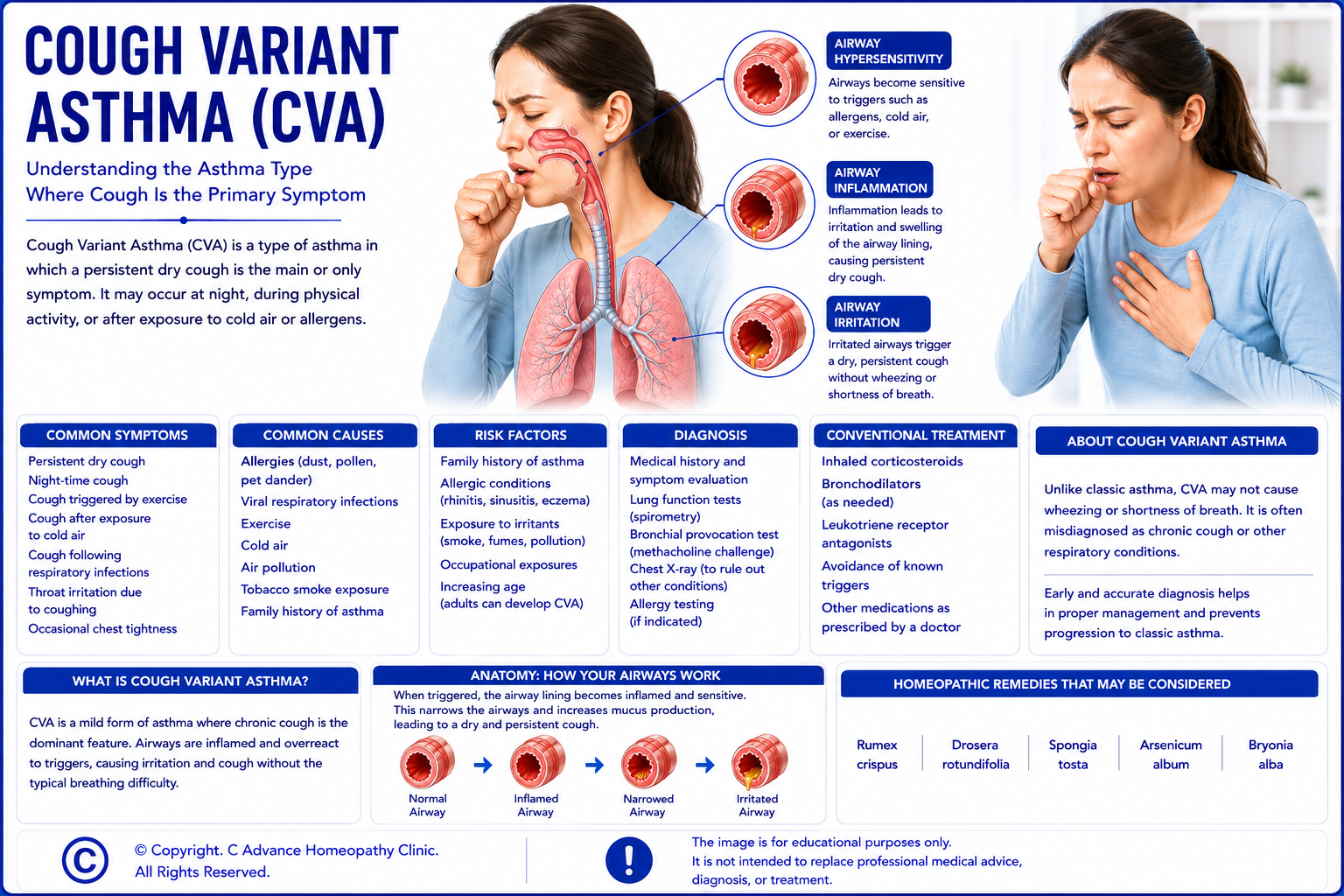
Cough Variant Asthma (CVA) is a form of asthma in which a persistent dry cough is the predominant or only symptom, without the typical wheezing or obvious shortness of breath experienced by many patients with classic asthma. Although the symptoms may appear mild, the underlying disease involves chronic inflammation and increased sensitivity of the airways, similar to bronchial asthma.
The cough is often worse at night, during the early morning hours, after exercise, or following exposure to cold air, respiratory infections, allergens, smoke, or other environmental irritants. Because wheezing may be absent, cough variant asthma is frequently mistaken for recurrent respiratory infections, post-viral cough, gastroesophageal reflux disease (GERD), or upper airway cough syndrome (postnasal drip), resulting in delayed diagnosis.
If left untreated, some patients with cough variant asthma may eventually develop the more typical symptoms of bronchial asthma, including wheezing and breathlessness. Early diagnosis and appropriate treatment are important to control airway inflammation, relieve symptoms, reduce chronic cough, and minimise the risk of progression.
Common Signs & Symptoms of Cough Variant Asthma
Patients with cough variant asthma may experience one or more of the following symptoms:
- Persistent dry cough
- Chronic cough lasting longer than eight weeks
- Cough that is worse at night or early in the morning
- Cough triggered by exercise
- Cough triggered by cold air, dust, smoke, or allergens
- Cough following respiratory viral infections
- Throat irritation associated with coughing
- Minimal or no wheezing
- Little or no sputum production
- Improvement of cough with prescribed asthma treatment
Risk Factors for Cough Variant Asthma
Several factors may increase the likelihood of developing cough variant asthma, including:
- Personal or family history of asthma
- Allergic rhinitis (hay fever)
- Atopic dermatitis (eczema)
- Family history of allergic diseases
- Exposure to environmental allergens
- Tobacco smoke exposure
- Air pollution
- Respiratory viral infections
- Occupational exposure to airborne irritants
- Exercise-induced airway hyper-responsiveness
Conventional Management of Cough Variant Asthma
The primary goals of treatment are to reduce airway inflammation, relieve chronic cough, prevent progression to classic asthma, and improve quality of life.
Conventional management may include:
- Clinical evaluation and confirmation of the diagnosis
- Pulmonary Function Tests (Spirometry)
- Bronchodilator reversibility testing where indicated
- Bronchial provocation testing in selected patients
- Inhaled corticosteroids (ICS)
- Bronchodilator inhalers where appropriate
- Identification and avoidance of known triggers
- Management of associated allergic conditions
- Regular follow-up with a pulmonologist or respiratory physician
Homeopathic Medicines Commonly Considered for Cough Variant Asthma
Some homeopathic medicines that may be considered by experienced homeopathic physicians for cough variant asthma include:
- Rumex Crispus
- Drosera Rotundifolia
- Spongia Tosta
- Hyoscyamus Niger
- Ipecacuanha
- Natrum Sulphuricum
- Arsenicum Album
- Antimonium Tartaricum
Homeopathic medicines should only be prescribed by a qualified homeopathic physician after an individualized clinical evaluation.
Important: Complementary Care for Cough Variant Asthma (CVA)
Cough Variant Asthma (CVA) should always be evaluated and managed by a qualified pulmonologist, respiratory physician, allergist, or appropriately trained healthcare professional to confirm the diagnosis, identify the underlying cause of chronic cough, assess airway inflammation and bronchial hyper-responsiveness, evaluate lung function, and develop an individualized long-term management plan. Comprehensive evaluation commonly includes a detailed medical history, assessment of cough duration and characteristics, identification of allergic and environmental trigger factors, physical examination of the respiratory system, Pulmonary Function Testing (Spirometry), bronchodilator reversibility testing, Peak Expiratory Flow (PEF) monitoring where appropriate, bronchial provocation testing in selected patients, Fractional Exhaled Nitric Oxide (FeNO) testing where available, allergy assessment when clinically indicated, chest X-ray to exclude alternative causes of chronic cough, and additional investigations based on the patient's clinical presentation. Accurate diagnosis is essential because chronic cough may also result from Bronchial Asthma, Chronic Bronchitis, gastroesophageal reflux disease (GERD), Upper Airway Cough Syndrome (postnasal drip), eosinophilic bronchitis, bronchiectasis, interstitial lung disease, pulmonary tuberculosis, lung cancer, ACE inhibitor therapy, or other respiratory and non-respiratory disorders, each requiring different management.
Patients with stable Cough Variant Asthma may be considered for individualized homeopathic treatment as a complementary approach following appropriate respiratory evaluation. Homeopathy may be integrated alongside prescribed inhaled medications, avoidance of identified trigger factors, education regarding correct inhaler technique, smoking cessation where applicable, regular physical activity appropriate to symptom control, maintenance of recommended vaccinations including influenza vaccination where appropriate, healthy lifestyle measures, and regular follow-up with their pulmonologist or respiratory physician. Individualized homeopathic prescribing is based on the patient's complete clinical presentation, constitutional characteristics, cough pattern, trigger profile, lung function, associated allergic disorders, occupational and environmental exposures, associated medical conditions, lifestyle factors, emotional well-being, and overall health rather than the diagnosis alone.
Patients should continue all recommended conventional treatment, including inhaled corticosteroids (ICS), bronchodilator therapy where indicated, treatment of associated allergic rhinitis or gastroesophageal reflux disease when present, avoidance of trigger factors, regular Pulmonary Function Testing (Spirometry), Peak Flow monitoring where appropriate, periodic reassessment of asthma control, and ongoing specialist respiratory follow-up. Homeopathy should not be regarded as a substitute for evidence-based respiratory care, particularly in patients with persistent chronic cough despite treatment, progression to classic Bronchial Asthma, recurrent exacerbations, significant airflow limitation, uncertain diagnosis, or those requiring advanced respiratory investigations or specialist management.
Patients with persistent cough despite appropriate treatment, declining lung function, recurrent respiratory symptoms, increasing exercise limitation, uncertainty regarding the diagnosis, coughing up blood (hemoptysis), unexplained weight loss, abnormal imaging findings, or suspected alternative respiratory disorders should continue specialist respiratory follow-up and regular reassessment. Homeopathy should not replace recommended Pulmonary Function Testing, bronchial provocation testing, allergy assessment, imaging studies, prescribed inhalers, or other evidence-based respiratory treatments recommended by the treating specialist.
Patients who develop severe breathlessness, bluish discoloration of the lips or face (cyanosis), marked respiratory distress, coughing up significant amounts of blood, chest pain, confusion, drowsiness, persistent high fever associated with respiratory symptoms, sudden worsening of breathing, or any sudden deterioration in respiratory status should seek immediate emergency medical attention, as these symptoms may indicate a severe acute asthma exacerbation, acute respiratory failure, pulmonary embolism, severe pneumonia, pneumothorax, lung malignancy, or another life-threatening respiratory emergency requiring urgent hospital-based evaluation and treatment.
5. Pulmonary Fibrosis
What is Pulmonary Fibrosis?
Pulmonary Fibrosis is a chronic lung disease characterised by progressive scarring (fibrosis) of the lung tissue. Unlike asthma or Chronic Obstructive Pulmonary Disease (COPD), which primarily affect the airways, pulmonary fibrosis damages the interstitium—the delicate tissue surrounding the air sacs (alveoli) where oxygen passes into the bloodstream. As scarring gradually develops, the lungs become stiff and less able to expand normally, making breathing increasingly difficult and reducing the body's ability to absorb oxygen.
Pulmonary fibrosis may develop without an identifiable cause, a condition known as Idiopathic Pulmonary Fibrosis (IPF), or it may occur secondary to autoimmune diseases, occupational exposure to dusts such as silica or asbestos, certain medications, radiation therapy, or other chronic lung disorders. The severity and rate of progression vary considerably between individuals. Some patients experience gradual worsening over many years, while others may develop more rapid disease progression.
Although pulmonary fibrosis is a chronic condition, early diagnosis, appropriate medical treatment, pulmonary rehabilitation, oxygen therapy when indicated, and regular specialist follow-up can help relieve symptoms, improve functional capacity, and enhance quality of life.
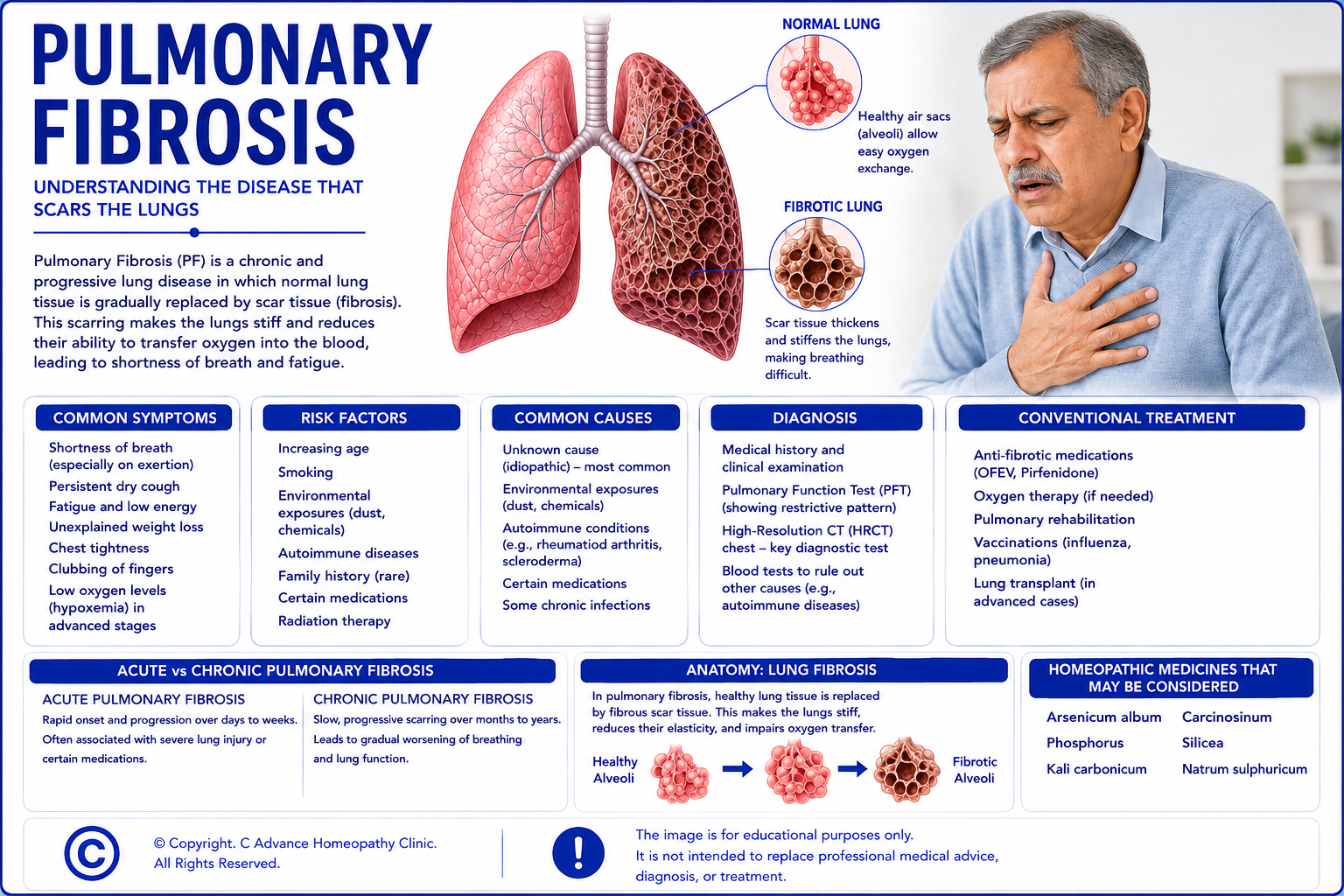
Common Signs & Symptoms of Pulmonary Fibrosis
Patients with pulmonary fibrosis may experience one or more of the following symptoms:
- Progressive shortness of breath, particularly during physical activity
- Persistent dry cough
- Fatigue
- Reduced exercise tolerance
- Rapid, shallow breathing
- Unexplained weight loss
- Finger clubbing (clubbing of the fingertips) in some patients
- Fine "Velcro-like" crackles heard during chest examination
- Gradual worsening of respiratory symptoms over time
- Reduced oxygen levels, particularly during exertion
Risk Factors for Pulmonary Fibrosis
Several factors may increase the likelihood of developing pulmonary fibrosis, including:
- Increasing age
- Cigarette smoking
- Family history of pulmonary fibrosis
- Autoimmune connective tissue diseases
- Occupational exposure to silica, asbestos, or other inhaled dusts
- Certain medications
- Previous radiation therapy involving the chest
- Chronic environmental exposures
- Idiopathic Pulmonary Fibrosis (no identifiable cause)
Conventional Management of Pulmonary Fibrosis
The primary goals of treatment are to slow disease progression where possible, relieve symptoms, preserve lung function, improve quality of life, and reduce complications.
Conventional management may include:
- Comprehensive respiratory evaluation
- High-Resolution Computed Tomography (HRCT) scan
- Pulmonary Function Tests (Spirometry and Diffusing Capacity where indicated)
- Antifibrotic medications for selected patients
- Pulmonary rehabilitation programmes
- Oxygen therapy when indicated
- Vaccinations, including influenza and pneumococcal vaccines
- Smoking cessation
- Nutritional support
- Lung transplantation assessment for selected patients
- Regular follow-up with a pulmonologist or interstitial lung disease specialist
Homeopathic Medicines Commonly Considered for Pulmonary Fibrosis
Some homeopathic medicines that may be considered by experienced homeopathic physicians for pulmonary fibrosis include:
- Phosphorus
- Silicea
- Arsenicum Album
- Carbo Vegetabilis
- Lycopodium Clavatum
- Kali Carbonicum
- Tuberculinum
- Calcarea Carbonica
Homeopathic medicines should only be prescribed by a qualified homeopathic physician after an individualized clinical evaluation.
Important: Complementary Care for Pulmonary Fibrosis
Pulmonary Fibrosis should always be evaluated and managed by a qualified pulmonologist, respiratory physician, or appropriately trained healthcare professional to confirm the diagnosis, identify the underlying cause of lung fibrosis, determine the severity of pulmonary involvement, assess respiratory function and oxygenation, evaluate disease progression, and develop an individualized long-term management plan. Comprehensive evaluation commonly includes a detailed medical history including occupational and environmental exposure history, smoking history, medication review, assessment for connective tissue diseases, physical examination of the respiratory system, Pulmonary Function Testing (Spirometry and lung volume measurements), Diffusing Capacity of the Lung for Carbon Monoxide (DLCO), pulse oximetry, six-minute walk test, High-Resolution Computed Tomography (HRCT) of the chest, laboratory investigations including autoimmune screening where clinically indicated, echocardiography to evaluate pulmonary hypertension when indicated, bronchoscopy or lung biopsy in selected patients, and additional investigations based on the patient's clinical presentation. Accurate diagnosis is essential because pulmonary fibrosis may result from Idiopathic Pulmonary Fibrosis (IPF), connective tissue diseases, occupational or environmental exposures, hypersensitivity pneumonitis, sarcoidosis, drug-induced lung disease, previous severe respiratory infections, or other interstitial lung diseases, each requiring different management.
Patients with stable Pulmonary Fibrosis may be considered for individualized homeopathic treatment as a complementary approach following appropriate respiratory evaluation. Homeopathy may be integrated alongside prescribed antifibrotic therapy where indicated, pulmonary rehabilitation, supervised exercise programmes, breathing exercises, smoking cessation where applicable, oxygen therapy when prescribed, nutritional optimization, recommended vaccinations including influenza and pneumococcal vaccination where appropriate, healthy lifestyle measures, psychosocial support, and regular follow-up with their pulmonologist or interstitial lung disease specialist. Individualized homeopathic prescribing is based on the patient's complete clinical presentation, constitutional characteristics, respiratory symptoms, severity of pulmonary impairment, exercise tolerance, oxygen requirements, associated medical conditions, occupational and environmental exposures, lifestyle factors, emotional well-being, and overall health rather than the diagnosis alone.
Patients should continue all recommended conventional treatment, including antifibrotic medications where appropriate, pulmonary rehabilitation, long-term oxygen therapy for eligible patients, pulmonary function monitoring, regular High-Resolution CT assessment where clinically indicated, management of associated conditions such as pulmonary hypertension or gastroesophageal reflux disease when present, recommended vaccinations, nutritional support, evaluation for lung transplantation in selected patients, palliative and supportive care where appropriate, and ongoing specialist respiratory follow-up. Homeopathy should not be regarded as a substitute for evidence-based respiratory care, particularly in patients with Idiopathic Pulmonary Fibrosis (IPF), rapidly progressive interstitial lung disease, significant oxygen desaturation, advanced respiratory failure, pulmonary hypertension, acute exacerbations of pulmonary fibrosis, or those requiring antifibrotic therapy, oxygen supplementation, or lung transplantation assessment.
Patients with progressive breathlessness despite appropriate treatment, declining Pulmonary Function Test results, worsening oxygen requirements, reduced exercise tolerance, recurrent respiratory infections, persistent dry cough affecting daily activities, unexplained weight loss, suspected pulmonary hypertension, uncertainty regarding the diagnosis, or evidence of disease progression on imaging studies should continue specialist respiratory follow-up and regular reassessment. Homeopathy should not replace recommended Pulmonary Function Testing, High-Resolution CT imaging, oxygen assessment, pulmonary rehabilitation, antifibrotic therapy, lung transplantation evaluation, or other evidence-based respiratory treatments recommended by the treating specialist.
Patients who develop severe breathlessness at rest, bluish discoloration of the lips or face (cyanosis), marked respiratory distress, sudden worsening of oxygen saturation, chest pain, coughing up blood (hemoptysis), confusion, drowsiness, high fever associated with rapidly worsening respiratory symptoms, or any sudden deterioration in respiratory status should seek immediate emergency medical attention, as these symptoms may indicate an acute exacerbation of pulmonary fibrosis, acute respiratory failure, severe pneumonia, pulmonary embolism, pneumothorax, acute cardiac complications, or another life-threatening respiratory emergency requiring urgent hospital-based evaluation and treatment.
A Note About Homeopathic Medicines
Homeopathic treatment is based on the principle of individualization. Rather than selecting medicines solely according to the diagnosis, a qualified homeopathic physician carefully evaluates each patient's unique pattern of symptoms, respiratory health, medical history, lifestyle, environmental exposures, associated medical conditions, and individual characteristics before prescribing a remedy.
For example, two patients diagnosed with bronchial asthma or Chronic Obstructive Pulmonary Disease (COPD) may receive different homeopathic medicines because their symptoms, triggers, disease patterns, constitutional characteristics, physical findings, and overall health may differ considerably.
Homeopathic treatment aims to support the individual rather than focusing only on the name of the disease. Remedy selection is therefore highly personalised and should always be performed after a detailed clinical consultation.
Although several homeopathic medicines have traditionally been used by homeopathic physicians for respiratory diseases, there is no single homeopathic medicine that is suitable for every patient with the same diagnosis.
Patients should avoid self-prescribing homeopathic medicines for chronic respiratory diseases without professional guidance, as proper assessment, appropriate medical investigations, and regular follow-up are important components of safe and responsible care.
Our Homeopathic Approach to Respiratory Diseases
At Advance Homeopathy Clinic Dubai, we believe that successful homeopathic treatment begins with a thorough understanding of the individual rather than focusing solely on the diagnosis. Every patient undergoes a comprehensive consultation that considers not only the respiratory condition but also the person's overall health, medical history, lifestyle, environmental exposures, and individual symptom pattern.
Respiratory diseases such as bronchial asthma, Chronic Obstructive Pulmonary Disease (COPD), chronic bronchitis, cough variant asthma, and pulmonary fibrosis often vary considerably from one person to another. Even when two patients have the same medical diagnosis, the severity of symptoms, triggering factors, associated allergies, response to environmental changes, medical history, and constitutional characteristics may be quite different. For this reason, homeopathic medicines are selected on an individual basis rather than according to the disease name alone.
As part of our assessment, we carefully review:
- The nature, frequency, and progression of respiratory symptoms
- Triggering and relieving factors, including allergens, exercise, weather changes, infections, and environmental exposures
- Previous and current medical treatments, including inhalers, nebulisers, oxygen therapy, and other prescribed medications
- Pulmonary Function Test (Spirometry) reports, imaging studies, laboratory investigations, and specialist evaluations where available
- Associated allergic conditions, recurrent respiratory infections, and other co-existing medical illnesses
- The patient's overall physical, emotional, and constitutional characteristics that may assist in individualized homeopathic prescribing
Our goal is to work alongside your existing medical care. We encourage patients to continue prescribed medications, attend regular follow-up appointments with their pulmonologist or primary care physician, undergo recommended investigations, and seek prompt medical attention whenever respiratory symptoms worsen, or emergency warning signs develop.
By combining careful case evaluation with individualized homeopathic prescribing and responsible collaboration with conventional medical care, we aim to provide a comprehensive, patient-centred approach that supports overall respiratory health and quality of life.
Why Choose Advance Homeopathy Clinic Dubai for Respiratory Diseases?
Choosing the right healthcare provider for chronic respiratory diseases involves more than selecting a treatment. It requires finding a clinic that takes the time to understand your condition, performs a thorough clinical evaluation, works responsibly alongside conventional medical care, and develops an individualized management plan based on your unique healthcare needs.
At Advance Homeopathy Clinic Dubai, we provide individualized homeopathic consultations for patients with a wide range of acute and chronic respiratory conditions. Our approach combines the principles of classical homeopathy with careful clinical assessment, evidence-informed practice, and close attention to each patient's overall health.
Our approach includes:
- Comprehensive Individualized Consultations: Every patient receives a detailed assessment that includes respiratory symptoms, medical history, previous treatments, lifestyle factors, environmental exposures, associated allergies, and overall constitutional characteristics before selecting a homeopathic medicine.
- Experienced Homeopathic Physicians: Our team has extensive experience in the homeopathic management of both acute and chronic health conditions, with a strong emphasis on individualized patient care and long-term follow-up.
- Careful Review of Medical Reports: Wherever available, we carefully review Pulmonary Function Tests (Spirometry), Peak Flow records, Chest CT scans, laboratory investigations, allergy assessments, and specialist reports to better understand each patient's respiratory condition and monitor progress over time.
- Complementary and Responsible Care: We encourage patients to continue prescribed inhalers, medications, pulmonary rehabilitation programmes, vaccinations, and regular follow-up with their pulmonologist or primary care physician. Homeopathy is provided as a complementary approach and not as a replacement for essential medical treatment.
- Long-Term Follow-Up and Monitoring: Chronic respiratory diseases often require regular review. We monitor changes in symptoms, frequency of exacerbations, response to treatment, and overall clinical progress, adapting the homeopathic treatment plan whenever appropriate.
- International Patient Care: We provide consultations for patients living in Dubai, across the UAE, and internationally through both in-clinic and online consultation services, making individualized homeopathic care accessible regardless of location.
- Patient Education and Shared Decision-Making: We believe informed patients make better healthcare decisions. Throughout the consultation process, we explain the nature of the illness, discuss available treatment options, review investigation findings when appropriate, and encourage patients to actively participate in decisions regarding their care.
Our Commitment
Our goal is to provide compassionate, individualized, and responsible homeopathic care while working collaboratively with conventional medical practice. We believe that careful clinical evaluation, open communication, and evidence-informed decision-making form the foundation of high-quality patient care.
Whether you are seeking support for bronchial asthma, Chronic Obstructive Pulmonary Disease (COPD), chronic bronchitis, cough variant asthma, pulmonary fibrosis, or another respiratory condition, our team is committed to providing personalized care tailored to your individual healthcare needs.
Frequently Asked Questions (FAQs)
Can homeopathy cure asthma permanently?
Bronchial asthma is a chronic inflammatory disease that requires ongoing medical assessment and management. Some patients experience long periods of good symptom control, while others may have intermittent flare-ups. Homeopathic treatment may be used as a complementary approach alongside conventional medical care in selected patients. Individuals with asthma should continue prescribed inhalers and other medications unless advised otherwise by their treating physician.
Can homeopathy replace my asthma inhaler?
No. Patients should never stop or reduce prescribed asthma inhalers without consulting their treating physician. Inhaled medications play an important role in controlling airway inflammation and preventing asthma attacks. Homeopathy may be considered as a complementary therapy but should not replace evidence-based conventional treatment.
Is homeopathy helpful for Chronic Obstructive Pulmonary Disease (COPD)?
COPD is a chronic, progressive lung disease that requires ongoing medical management. Homeopathy may be considered as part of a comprehensive, individualized care plan alongside smoking cessation, prescribed inhalers, pulmonary rehabilitation, vaccinations, and regular follow-up with a pulmonologist.
Can homeopathy help with chronic cough?
A persistent cough can have many different causes, including asthma, cough variant asthma, chronic bronchitis, gastroesophageal reflux disease (GERD), postnasal drip, respiratory infections, certain medications, and other lung conditions. Before considering treatment, it is important to identify the underlying cause through appropriate medical evaluation. Homeopathic treatment is individualized according to the patient's diagnosis and symptom profile.
Can homeopathy be used together with conventional respiratory medicines?
Yes. Homeopathy is commonly used as a complementary approach alongside conventional medical care. Patients should continue all prescribed medications, inhalers, oxygen therapy, pulmonary rehabilitation programmes, and specialist follow-up unless their treating physician recommends otherwise.
Are homeopathic medicines safe for children with asthma?
Homeopathic medicines should only be prescribed after evaluation by a qualified homeopathic physician. Children with asthma require careful medical assessment, appropriate diagnosis, and regular monitoring. Parents should never delay emergency treatment or discontinue prescribed inhalers when a child develops severe breathing difficulty.
Can homeopathy help in pulmonary fibrosis?
Pulmonary fibrosis is a serious chronic lung disease that requires specialist respiratory care. Homeopathy may be considered as a complementary approach to support the overall management of selected patients but should never replace conventional medical treatment, pulmonary rehabilitation, oxygen therapy when indicated, or regular pulmonology follow-up.
How long does homeopathic treatment for chronic respiratory diseases usually take?
The duration of treatment varies depending on the diagnosis, severity of the disease, duration of illness, associated medical conditions, response to treatment, and the individual's overall health. During your consultation, your physician will discuss realistic expectations and recommend an individualized follow-up plan.
Do I need Pulmonary Function Tests (Spirometry) before starting homeopathic treatment?
Not every patient requires new investigations before treatment. However, if Pulmonary Function Test (Spirometry) reports, Peak Flow records, Chest CT scans, allergy test results, or specialist reports are available, they are valuable in understanding the respiratory condition and monitoring progress over time.
When should I seek emergency medical care instead of waiting for a clinic appointment?
Seek immediate medical attention if you experience:
- Severe shortness of breath or difficulty breathing
- Blue lips or fingertips
- Chest pain
- Confusion or drowsiness
- Coughing up blood
- A severe asthma attack that does not improve with prescribed reliever medication
- Rapid worsening of respiratory symptoms
These situations require urgent medical assessment and should not be managed with home treatment alone.
Can smokers benefit from homeopathic treatment?
Smoking is one of the leading causes of chronic respiratory disease, particularly COPD and chronic bronchitis. The single most effective step to protect lung health is stopping smoking. Homeopathy should be viewed as a complementary approach and cannot reverse the harmful effects of continued tobacco use. Patients who smoke are strongly encouraged to seek smoking cessation support as part of their overall respiratory care.
Is an online consultation suitable for patients with respiratory diseases?
Many follow-up consultations and selected new patient assessments can be conducted online, particularly when patients have access to previous medical records, Pulmonary Function Test results, imaging reports, and laboratory investigations. However, some patients may require an in-person examination or urgent medical evaluation depending on the severity of their symptoms.
Commitment to Evidence-Based Care
At Advance Homeopathy Clinic Dubai, we are committed to providing individualized homeopathic care that is informed by careful clinical assessment, current medical knowledge, and responsible healthcare practice. We believe that patients benefit most when healthcare decisions are based on a combination of clinical expertise, patient values, objective medical findings, and the best available scientific evidence.
Respiratory diseases such as bronchial asthma, Chronic Obstructive Pulmonary Disease (COPD), chronic bronchitis, cough variant asthma, and pulmonary fibrosis require accurate diagnosis and ongoing medical supervision. We encourage all patients to undergo appropriate medical evaluation, including Pulmonary Function Tests (Spirometry), imaging studies, laboratory investigations, and specialist consultations whenever clinically indicated. These investigations help establish an accurate diagnosis, assess disease severity, monitor progression, and guide appropriate treatment decisions.
Our homeopathic consultations are designed to complement—not replace—conventional respiratory care. We work within an integrative model that respects established medical guidelines and encourages patients to continue prescribed inhalers, medications, pulmonary rehabilitation programmes, vaccinations, oxygen therapy when indicated, and regular follow-up with their pulmonologist or primary care physician.
We also recognise that scientific research in homeopathy continues to evolve. While some clinical studies have explored the potential role of individualized homeopathic treatment in respiratory diseases, the overall body of evidence remains limited, and further high-quality research is needed to better understand its effectiveness and role within modern healthcare. We believe patients should receive balanced, transparent information that reflects both the current evidence and its limitations.
Our commitment is to practise homeopathy responsibly, ethically, and in collaboration with conventional medicine whenever appropriate. By combining individualized patient care with careful clinical evaluation and evidence-informed decision-making, we strive to support our patients in achieving the best possible respiratory health outcomes.
Research in Homeopathy and Respiratory Diseases
Research Overview
Homeopathy has been investigated as a complementary approach in the management of a variety of respiratory disorders, particularly chronic conditions characterized by cough, breathlessness, wheezing, mucus production, impaired exercise tolerance, and recurrent respiratory exacerbations. Published research has explored individualized homeopathic treatment in patients with Bronchial Asthma, Chronic Obstructive Pulmonary Disease (COPD), Chronic Bronchitis, Cough Variant Asthma, allergic respiratory disorders, recurrent respiratory tract infections, and selected chronic respiratory illnesses. Comparatively fewer published studies have specifically evaluated Pulmonary Fibrosis and other interstitial lung diseases, where the available evidence remains very limited.
The available scientific literature includes randomized controlled trials, observational studies, pragmatic clinical studies, cohort studies, case series, systematic reviews, and narrative reviews. Most published studies have evaluated outcomes such as symptom severity, cough frequency, breathlessness, asthma control, quality of life, exercise tolerance, medication use, frequency of respiratory exacerbations, healthcare utilization, and patient-reported clinical improvement, rather than demonstrating objective improvements in lung structure, pulmonary fibrosis, airway remodeling, pulmonary function decline, or long-term disease progression.
Among respiratory disorders, the greatest amount of published homeopathic research has focused on Bronchial Asthma, largely because of its worldwide prevalence and chronic nature. Smaller studies have also explored homeopathic treatment in COPD, Chronic Bronchitis, allergic respiratory disorders, and recurrent respiratory infections. However, comparatively little high-quality research has been published for Pulmonary Fibrosis and other chronic interstitial lung diseases, where evidence remains limited to small observational studies, case reports, and clinical experience.
Because individualized homeopathic prescribing is based on each patient's complete clinical presentation, constitutional characteristics, respiratory symptoms, pulmonary function, associated allergic or systemic diseases, environmental exposures, lifestyle factors, and overall health rather than the respiratory diagnosis alone, evaluating individualized treatment using conventional randomized clinical trial methodology presents important methodological challenges. Consequently, the available evidence should be interpreted with appropriate consideration of both its strengths and its limitations.
Current State of Research
Published respiratory research includes randomized controlled trials, observational studies, pragmatic clinical studies, systematic reviews, and meta-analyses evaluating homeopathy as a complementary intervention alongside conventional respiratory care. Some individual studies have reported improvements in symptom control, asthma-related quality of life, cough severity, frequency of respiratory exacerbations, medication use, exercise tolerance, and patient satisfaction among selected patients receiving individualized homeopathic treatment in addition to standard respiratory management.
However, the overall body of scientific evidence remains limited, heterogeneous, and condition-specific. Many published studies involve relatively small sample sizes, variability in respiratory diagnoses, individualized prescribing approaches, differences in conventional treatment protocols, inconsistent outcome measures, short follow-up periods, and methodological limitations that reduce the certainty of their findings. Importantly, most studies evaluate clinical and functional outcomes, such as symptom relief and quality of life, rather than demonstrating objective improvements in lung function measured by spirometry, reversal of airway remodeling, improvement in pulmonary fibrosis, prevention of progressive airflow limitation, reduction in long-term mortality, or preservation of lung architecture on imaging studies.
Systematic reviews generally conclude that current evidence is insufficient to establish homeopathy as an effective treatment for chronic respiratory diseases or to recommend its routine use as part of standard respiratory practice. While some individual studies have reported encouraging findings in selected patients with asthma and other chronic respiratory disorders, further well-designed, adequately powered, independently replicated clinical trials using standardized respiratory diagnostic criteria, validated pulmonary outcome measures, objective lung function assessment, longer follow-up, and clinically meaningful respiratory endpoints are required before firm conclusions can be drawn regarding the role of individualized homeopathic care in respiratory medicine.
Current international respiratory guidelines continue to recommend accurate diagnosis, Pulmonary Function Testing (Spirometry), appropriate imaging where indicated, inhaled pharmacotherapy, smoking cessation, pulmonary rehabilitation, vaccination, oxygen therapy when indicated, biologic therapies for selected patients, antifibrotic therapy where appropriate, and regular specialist respiratory follow-up as the foundation of modern respiratory care. Complementary therapies, including homeopathy, should therefore be regarded only as supportive approaches that may be considered alongside—but never as replacements for—evidence-based respiratory treatment.
Our Clinical Perspective
At Advance Homeopathy Clinic Dubai, we believe that successful respiratory care begins with accurate diagnosis, preservation of lung function, prevention of disease progression whenever possible, reduction of respiratory symptoms, optimization of exercise capacity, prevention of exacerbations, maintenance of adequate oxygenation, and timely evidence-based treatment whenever required. Modern respiratory medicine has significantly improved patient outcomes through advances in pulmonary function testing, imaging, inhaled therapies, biologic medicines, pulmonary rehabilitation, oxygen therapy, interstitial lung disease management, and multidisciplinary respiratory care. These evidence-based treatments should never be delayed or replaced by complementary therapies when medically indicated.
Our role is to provide individualized homeopathic care as a complementary approach, integrated within each patient's overall respiratory management plan. Every patient undergoes a comprehensive assessment that includes the confirmed respiratory diagnosis, symptom pattern, Pulmonary Function Test results, imaging studies such as Chest X-ray or High-Resolution CT (HRCT) where available, allergy profile, smoking history, occupational and environmental exposures, associated medical conditions, current medications, constitutional characteristics, lifestyle, emotional well-being, and overall health before an individualized homeopathic medicine is selected.
Throughout this article, we have consistently emphasized that homeopathy is presented only as a complementary approach within modern respiratory care. We do not present homeopathy as a substitute for Pulmonary Function Testing, prescribed inhalers, smoking cessation programmes, pulmonary rehabilitation, oxygen therapy, biologic therapies, antifibrotic medications, vaccination, lung transplantation assessment, or any other evidence-based respiratory treatment recommended by the treating physician.
Patients with Bronchial Asthma, Chronic Obstructive Pulmonary Disease (COPD), Chronic Bronchitis, Cough Variant Asthma, or Pulmonary Fibrosis should continue regular pulmonology follow-up, prescribed medications, pulmonary rehabilitation, lung function monitoring, recommended vaccinations, and periodic reassessment of respiratory status. Patients who experience worsening breathlessness, declining exercise tolerance, frequent respiratory exacerbations, progressive reduction in lung function, increasing oxygen requirements, or persistent symptoms despite appropriate treatment should undergo prompt specialist reassessment rather than delaying evidence-based intervention.
Patients who develop severe breathlessness at rest, bluish discoloration of the lips or face, marked respiratory distress, confusion, drowsiness, persistent chest pain, coughing up significant amounts of blood, sudden reduction in oxygen saturation, or any rapid deterioration in respiratory status should seek immediate emergency medical attention, as these situations may represent acute severe asthma, acute COPD exacerbation, acute respiratory failure, pulmonary embolism, severe pneumonia, pneumothorax, acute exacerbation of pulmonary fibrosis, or other life-threatening respiratory emergencies requiring urgent hospital-based evaluation and treatment.
Our approach combines individualized homeopathic prescribing, careful respiratory assessment, collaboration with pulmonologists, allergists, respiratory therapists, rehabilitation specialists, and other healthcare professionals whenever appropriate, together with an evidence-informed understanding of current respiratory research. As scientific knowledge continues to evolve, we remain committed to integrating emerging evidence into clinical practice while maintaining the principles of individualized patient care, patient safety, responsible integrative healthcare, and ethical medical practice.
